
Apron Feeder Wear Plate Shimming
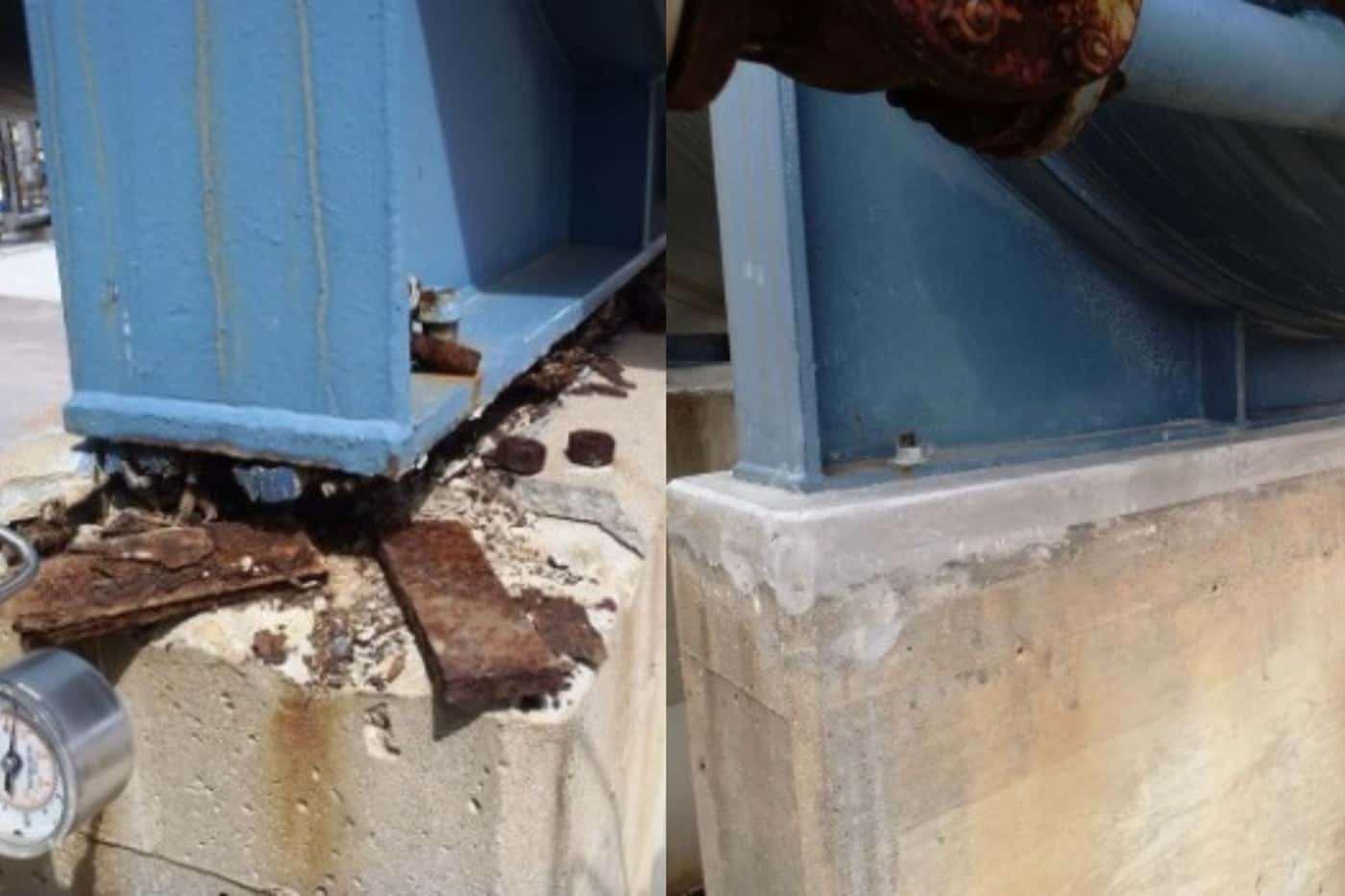
Uneven wear plates shimmed with cast conforming backing to stop the pounding, then lined for abrasion where the material rides.
What was failing
An apron feeder's wear plates were seating unevenly against the structure behind them. With gaps under the plates, every load that dropped onto the feeder drove the plates down onto the steel and pounded it, working the bolts loose and hammering the seating surfaces out of shape. As the gaps grew, the plates shifted under load and the high-wear faces took the abrasion of the moving material on top of the impact. Left alone, the loose, pounding plates would keep chewing up the structure and pulling the feeder out of service for repeated repairs.
How AAS approaches it
We start by checking how each plate is sitting and finding where the gaps are that let it move and pound. We clean the seating surfaces and the back of the plates, then cast a conforming shim behind each plate with a 2000 Series material so it fills the gap exactly and the plate beds down on a full, even support instead of a few high spots. With the plates seated solid and re-tightened, we line the high-wear faces with a 1000 Series abrasion-resistant system so the surface that carries the material holds up. The plates stop hammering the structure and the wear faces last between repairs.
Assess and map
We check how each wear plate is seating, find the gaps that let it move, and identify the faces taking the most abrasion.
Surface prep
We clean the seating surfaces behind the plates and the high-wear faces so both the shim and the lining bond and bed properly.
Cast conforming shims
We cast a 2000 Series shim behind each plate so it fills the gap exactly and the plate seats on full, even support.
Re-seat and line
We bed and re-tighten the plates on their shims, then line the high-wear faces with a 1000 Series abrasion-resistant system.
Return to service
We confirm the plates are seated solid and the lining is cured, then hand the feeder back ready to run.
The result
From the job
Repair and protection work of this kind, performed by AAS crews across Louisiana.
Capabilities used here
Where this work happens
Other projects
Storage Tank Floor Reclamation
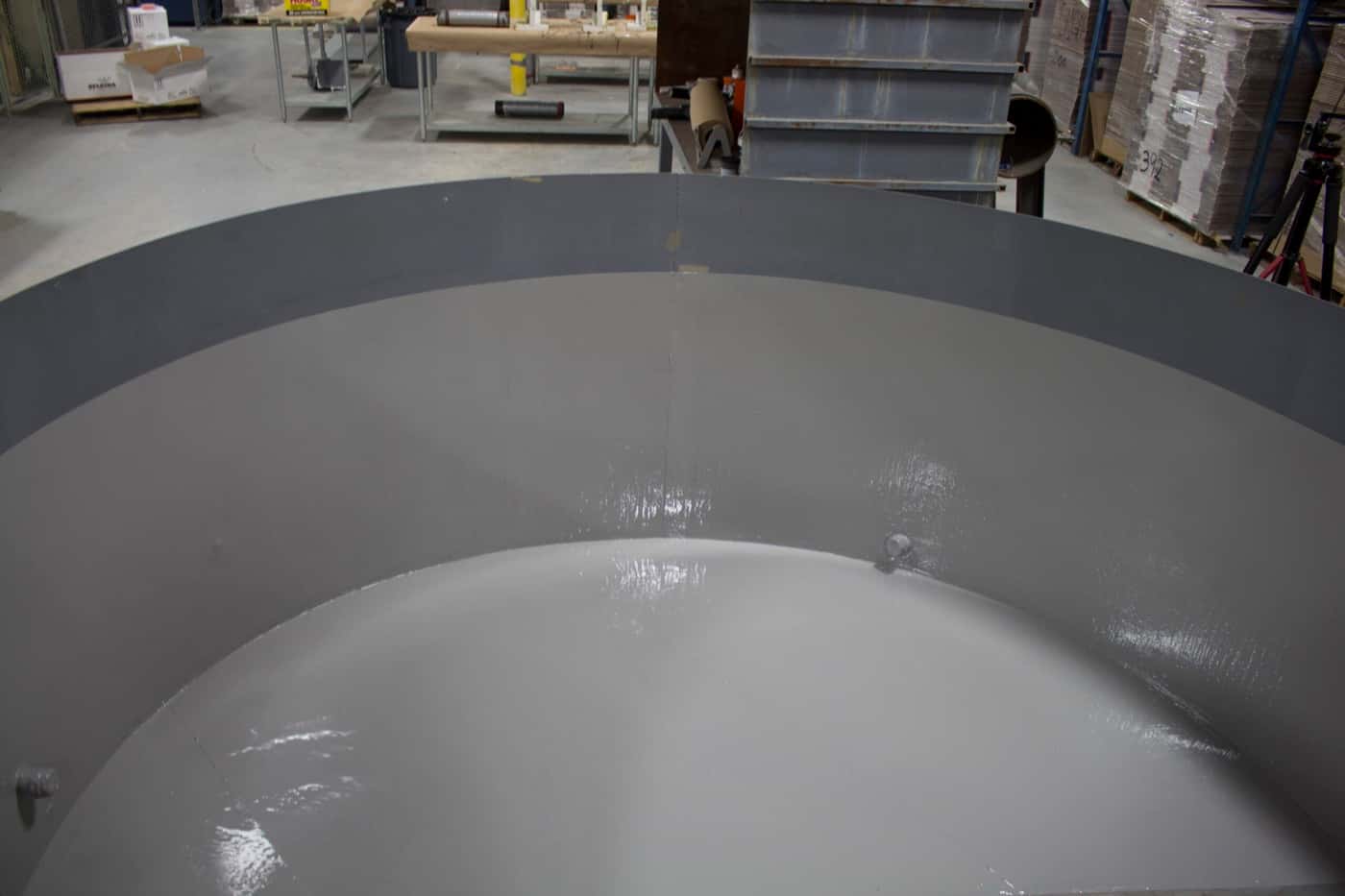
Corroded aboveground tank floor rebuilt and lined back to immersion service without cutting out plate.
View project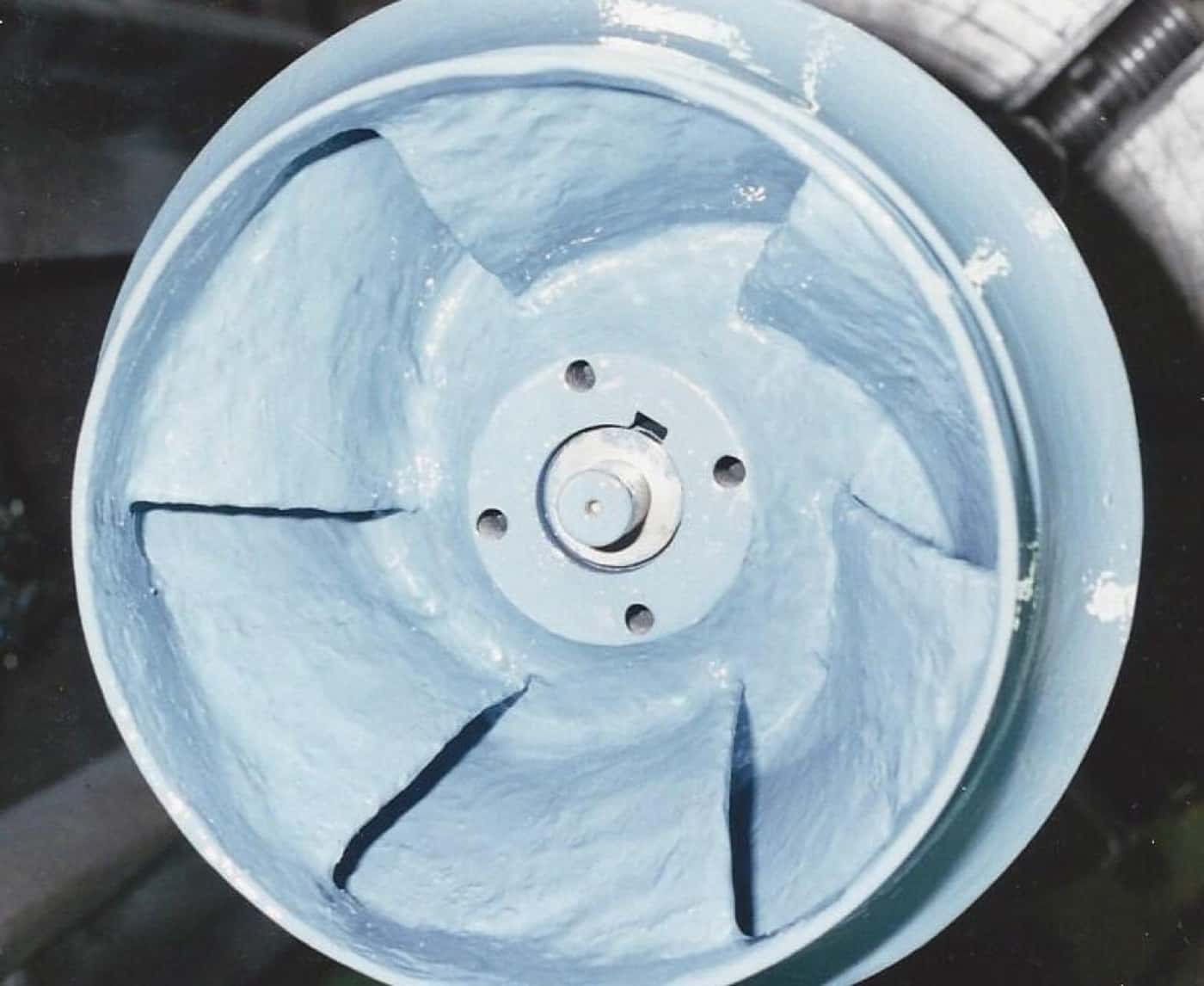
Centrifugal Pump Rebuild & Efficiency Restoration
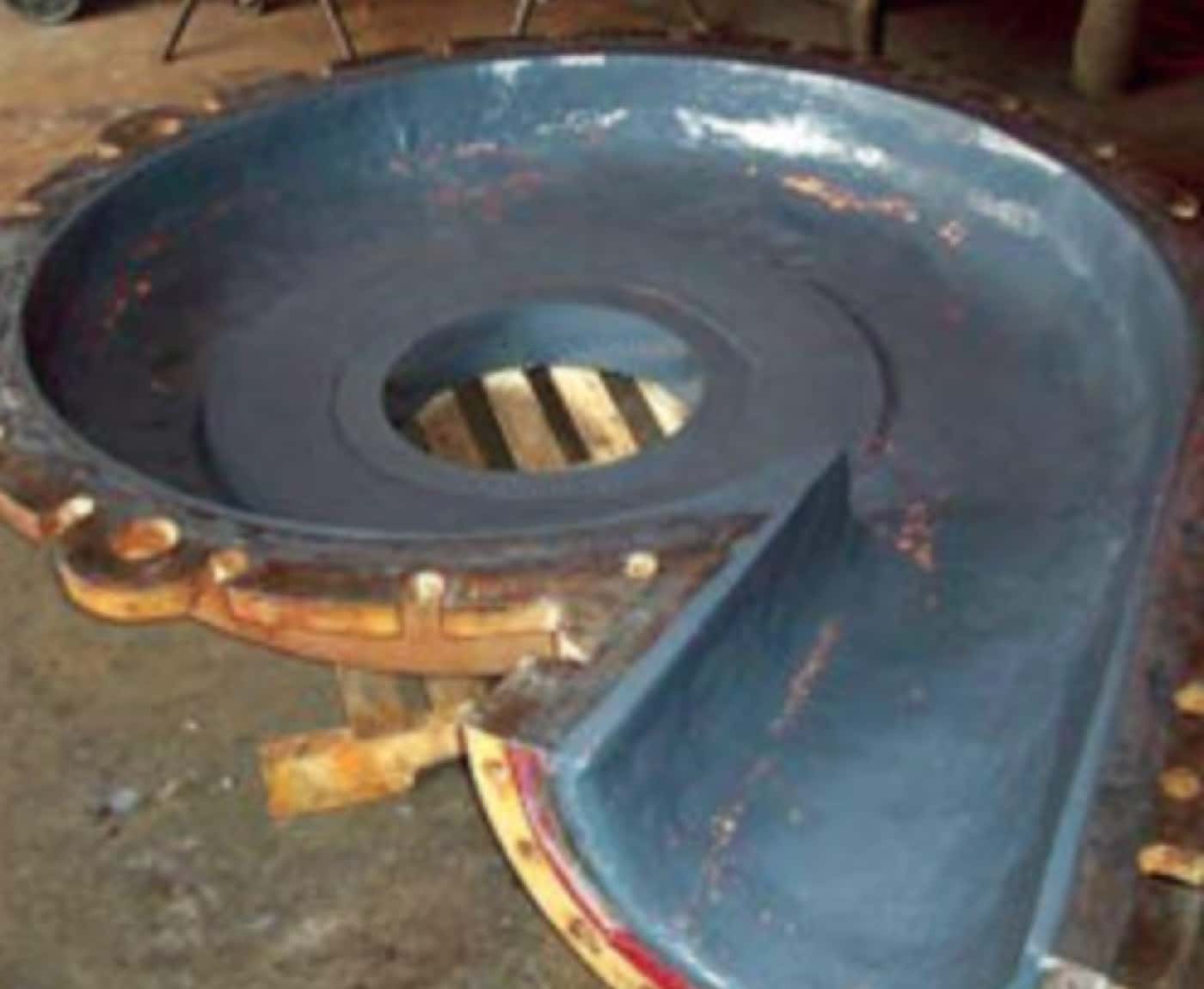
Cold-rebuilding an eroded pump casing and lining it to restore clearances, no new casting required.
View project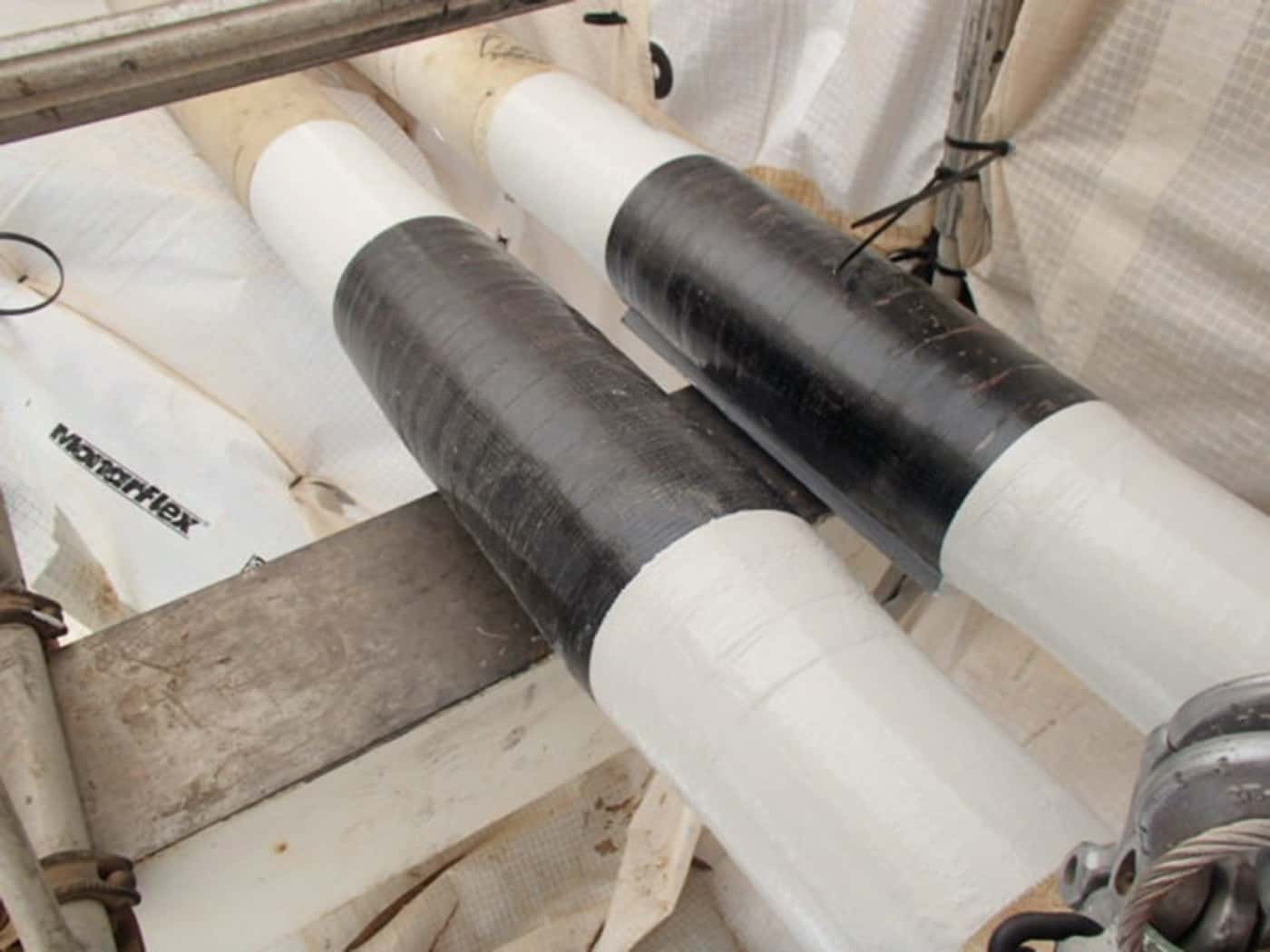
Live Pipe Leak Seal & Composite Wrap
Live leak sealed and a degraded process line reinforced with an engineered composite wrap, no welding and often no shutdown.
View project
Wastewater Clarifier & Concrete Structure Relining
Spalled, rebar-exposed concrete clarifier rebuilt and relined for continued immersion service.
View project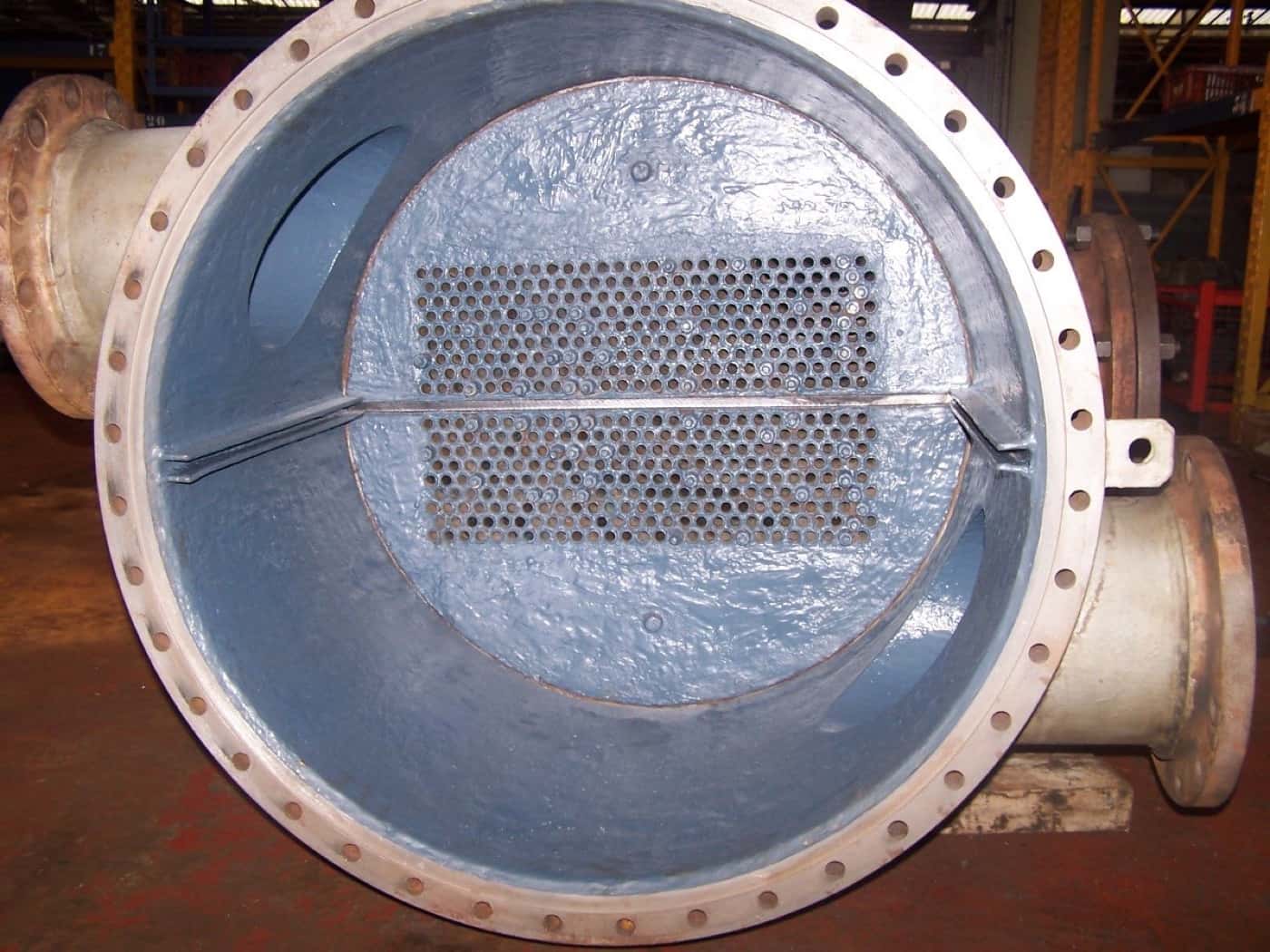
Heat Exchanger Water Box Protection
Blasting, metal rebuild, and a barrier coating restore a corroded exchanger water box and tube sheet in cooling-water service.
View projectHave equipment that needs to stay in service?
Tell us what is failing. We respond quickly, and we offer 24-hour on-call service.