Chocking, Grouting & Alignment
Precision machinery chocking, baseplate grouting, soleplate setting, and load-bearing shims for rotating and reciprocating equipment.
What Chocking & Grouting involves
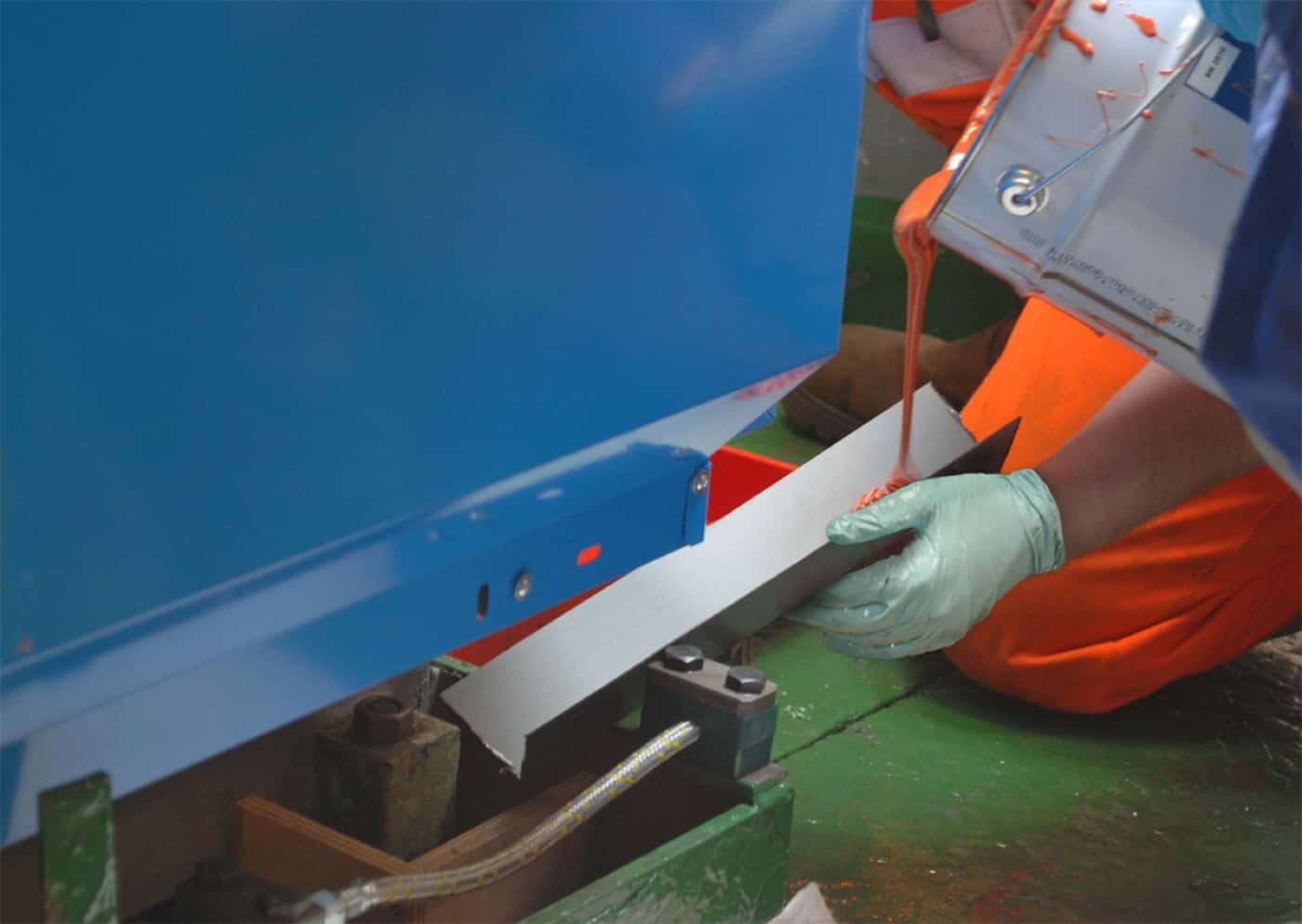
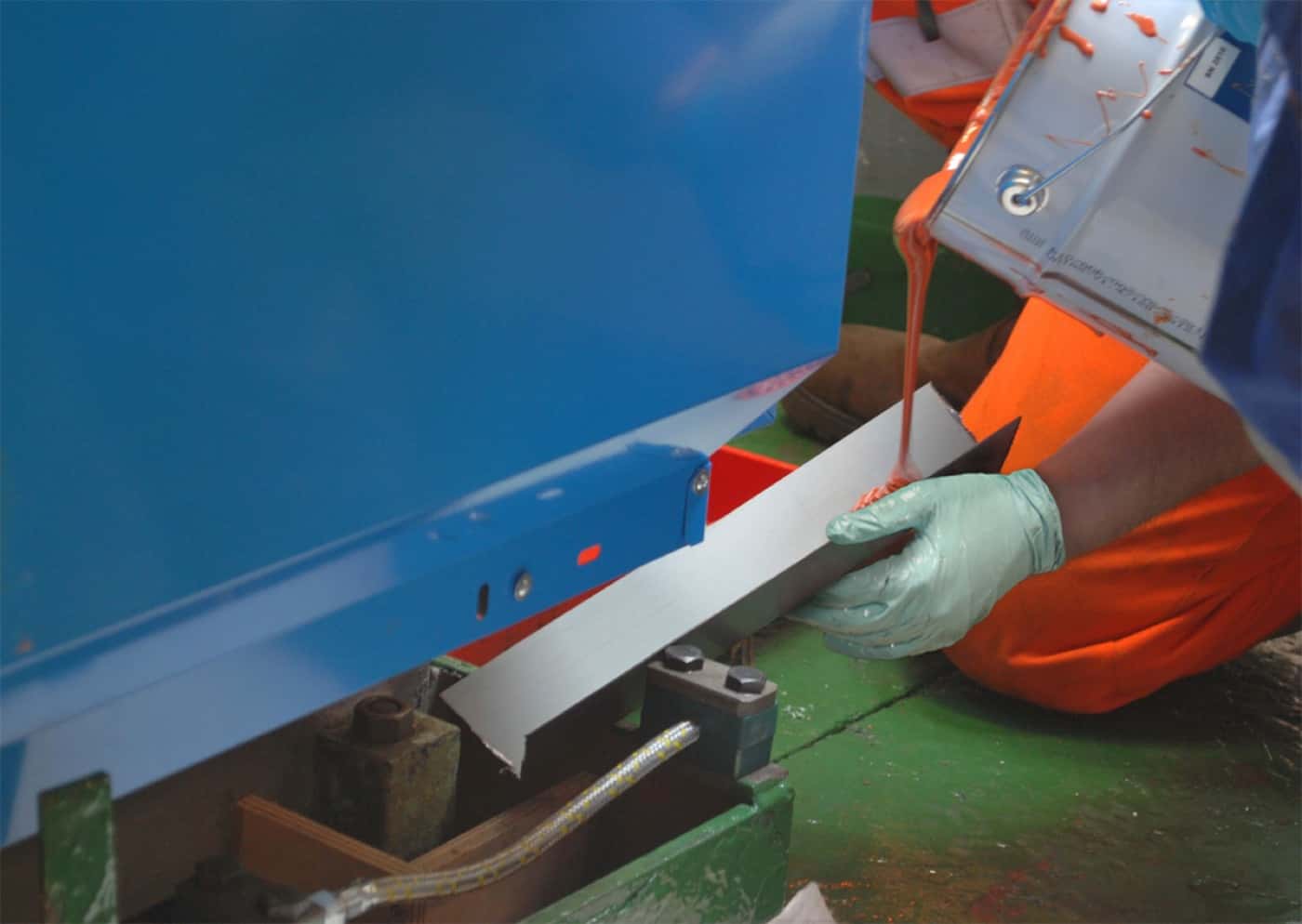
When a pump drifts out of alignment or a machine base sits on voids, the vibration that follows shortens bearing life, loosens hold-down bolts, and pulls the whole train toward an unplanned outage. The usual fix is steel shims, but steel touches only at the high spots. That point contact transfers load through a few square inches. It fatigues the metal and lets equipment creep out of position under load. AAS sets and beds rotating and reciprocating equipment with cold-cure chocking and grouting compounds poured in place. The compound flows into every void and irregularity, then cures hard and dimensionally stable. Load transfers across the full footprint, alignment holds, and the crew does the work without machining the foundation or the host structure. As factory-trained and factory-certified Belzona applicators serving Louisiana refiners, petrochemical producers, and marine operators, we bring the machine into full, even contact and keep it there through physical and thermal cycling.
Machine bases, pump skids, and soleplates
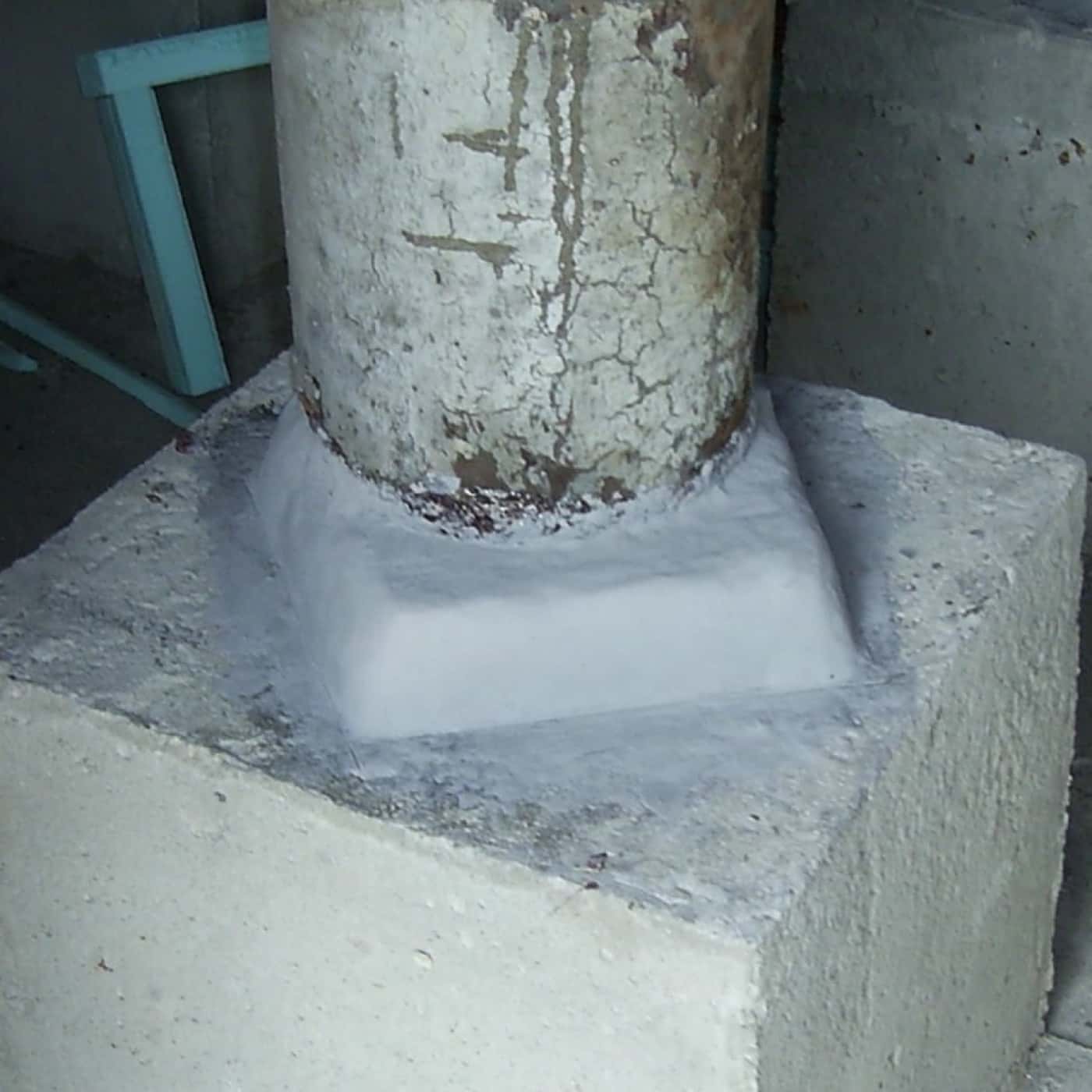
Voids, distortion, and gaps under machine feet and pump bases feed vibration and misalignment straight back into the rotating equipment. Once a base loses solid support, bolts work loose, the casing distorts, and bearings pay for it. Grinding or machining the foundation flat is slow and costly. On equipment that has to stay put, it is often not possible at all.
AAS pours a cold-cure chocking compound that spreads across irregular concrete or steel and beds the base across its full area. The Belzona 7000 Series compound we use sets with very little shrinkage and carries high compressive load, so the equipment holds alignment without re-machining the foundation. We grout skids and soleplates the same way. The base sits in stable, even contact before the unit is ever recommissioned.
Shims, reseating, and electrical isolation
Steel shims leave point contact under machine feet. Load transfers unevenly, and the equipment drifts out of alignment as it runs. Stacking more steel makes the contact problem worse, not better. When a foot needs electrical isolation as well, a metal shim defeats the purpose entirely.
AAS forms load-bearing shims cast to match the actual mating surface, so the shim contacts the foot across its whole face. We also pour load-bearing insulating shims where a bearing housing or motor foot has to be electrically isolated from its base. The reseated equipment holds precise alignment under physical and thermal cycling. The shim carries its share of the load instead of biting into a single high spot.
Crane rails, wear plates, and pipe supports
Heavy support structures fail the same way machine feet do. Steel shimming under a crane rail leaves point contact that fatigues the rail and the structure beneath it under wheel loads measured in tons. Wear plates and bars seated on irregular backing distort fast, because the steel shim under them only touches in spots. And pipes sliding across bare steel supports grind through their coatings, trap moisture, and corrode at every contact point.
AAS handles all three from the same chair. We pour a cold-cure compound that beds a crane rail across its full contact area and damps shock, so the track carries heavy-lift loads without machining the support. The same approach fills the gap behind a wear plate and seats it flat against its backing. For pipe shoes, we apply a low-friction liner that lets the line move freely, isolates the contact face, and sheds water so the pipe coating survives thermal cycling.
What the unit gets back
Every one of these repairs happens in place, with no hot work and no foundation machining. That keeps adjacent equipment in service. It also removes the welding permit, the fire watch, and the grinding cleanup from the job. The unit goes back into service bedded across its full footprint instead of balanced on a few high spots.
The outcome the maintenance buyer cares about is asset life and uptime. Even load transfer holds alignment, which protects bearings, seals, and couplings and stretches the interval between overhauls. Rails, wear plates, and pipe supports stop fatiguing their host structures and last longer. With around-the-clock on-call coverage across Louisiana, AAS can pour, cure, and set a base inside a turnaround window and have the equipment running again on schedule.
Identify, engineer, and provide the fix
AAS works cold-applied: no hot work and no hot-work permits to remove or install. Most repairs happen in service or on a planned turnaround, without the permitting burden and downtime that hot work brings.
Identify
We are on call 24 hours and work with your engineering team to identify the problem and what is driving it.
Engineer the solution
We develop the repair, both engineered and non-engineered solutions, matched to the conditions the asset actually sees.
Provide products and services
We deliver what it takes to solve it: factory-trained, NACE-certified applicator support and turnkey services as requested, in-house, in the field, and in a controlled shop environment through Advanced Applications Specialists.
Applications in Chocking & Grouting
Crane rail and track support
Steel shimming under crane rails leaves point contact that fatigues the rail and the supporting structure under wheel loads measured in tons.
Low-friction pipe support liners
Pipes sliding across steel supports grind through coatings and trap moisture, driving corrosion and metal loss at every contact point.
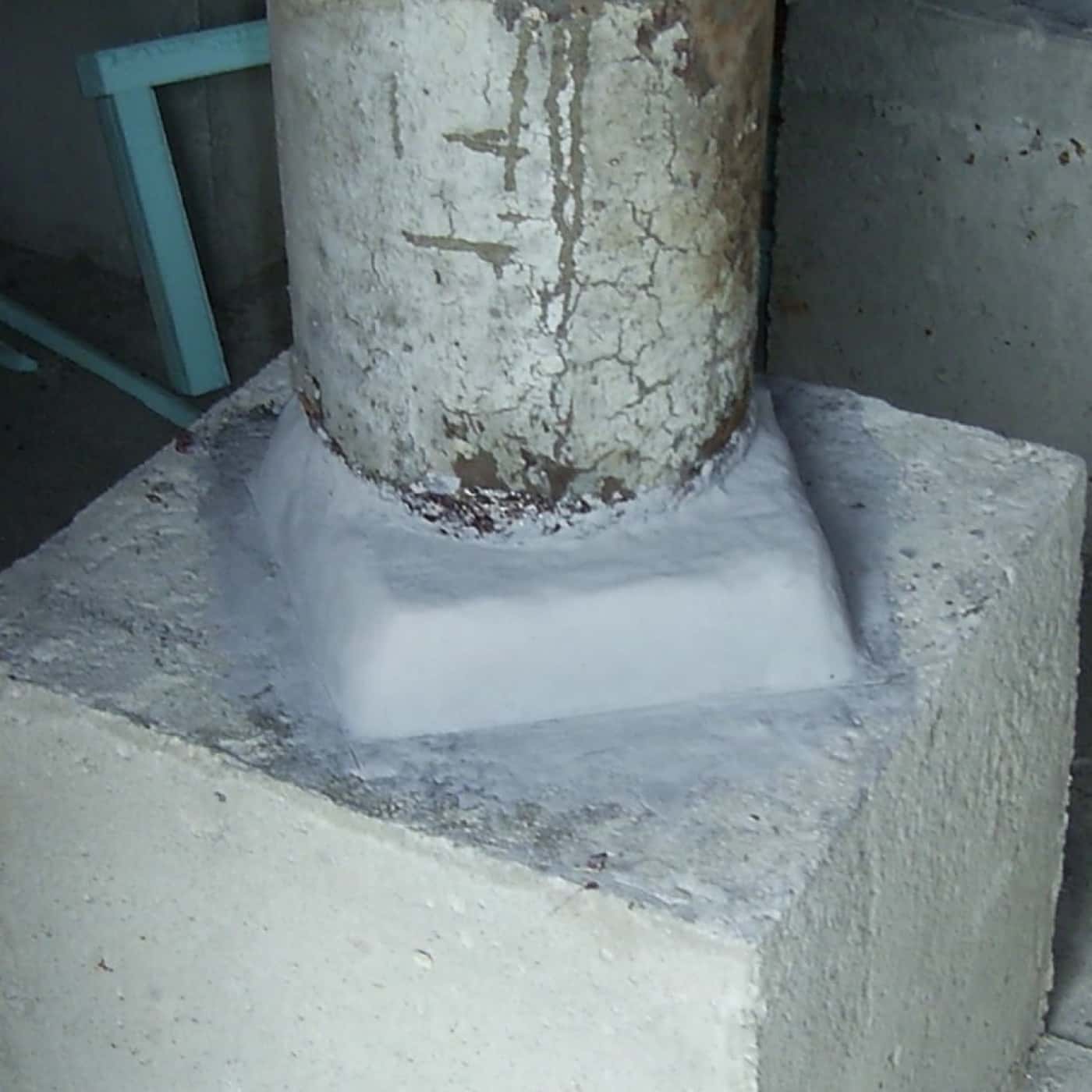
Machine base grouting and chocking
Voids, distortion, and gaps under machine feet and pump bases feed vibration and misalignment back into rotating equipment.
Machinery shimming and equipment reseating
Steel shims leave point contact under machine feet, so load transfers unevenly and equipment drifts out of alignment under load.
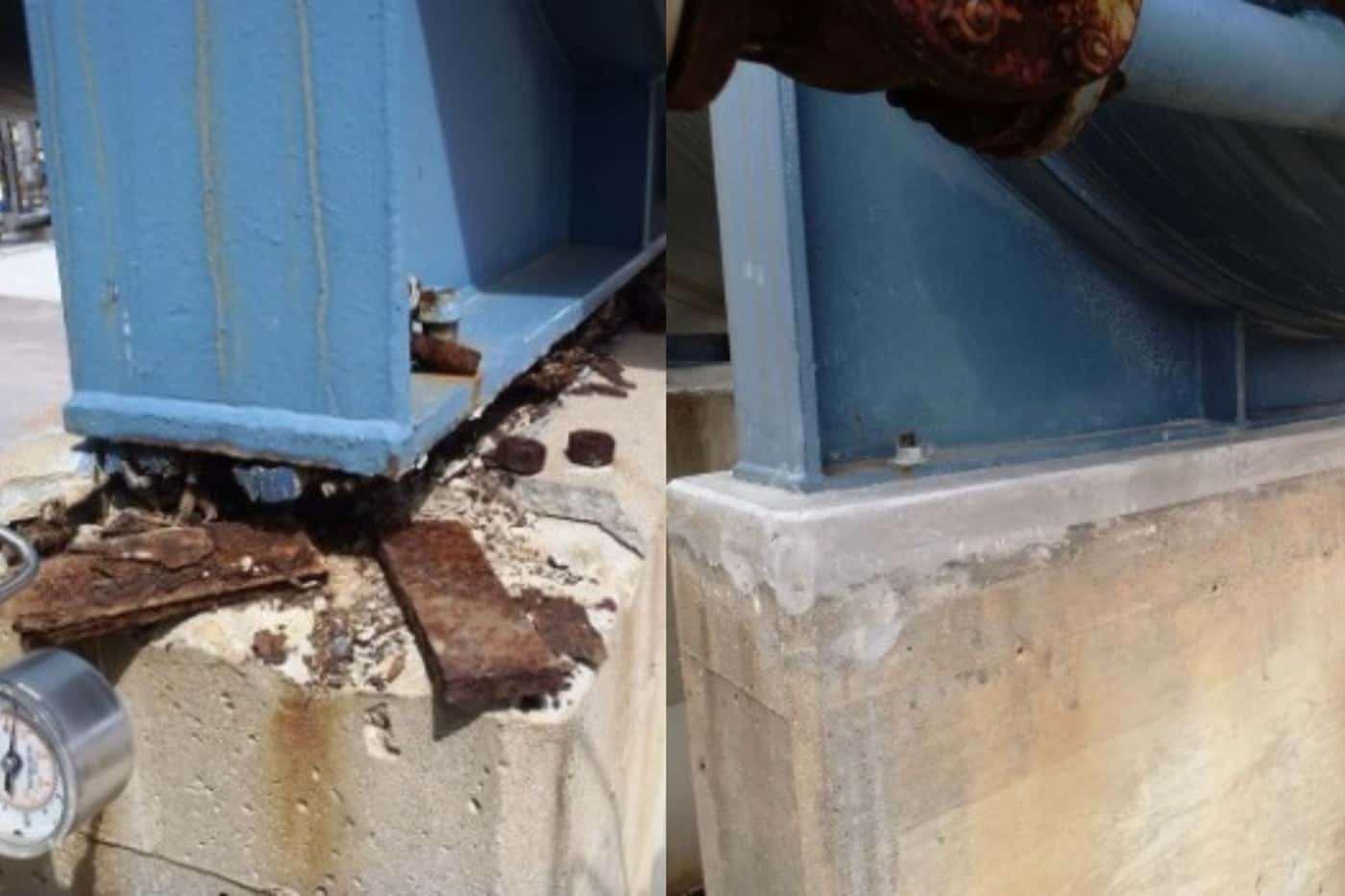
Wear-plate seating and load-transfer shims
Wear plates and bars sit on irregular backing, so steel shims leave point contact that distorts the plate within a single shift.
Typically applied with 7000 Series Belzona systems, matched to the service conditions.
What this does for your facility
Industries where this is commonly used
Related capabilities
Have equipment that needs to stay in service?
Tell us what is failing. We respond quickly, and we offer 24-hour on-call service.