Erosion & Abrasion-Resistant Linings
Surfaces protected against high-velocity particulate, slurry, and impact wear so equipment lasts longer between rebuilds.
What Erosion & Abrasion involves
You schedule the rebuild, and the chute is already thin again. Bulk material slides across the same liner, abrasive slurry chews through the same impeller vane, and particle-laden gas erodes the same fan blade leading edge. The asset rarely fails because the metal was wrong. It fails because the service eats faster than the replacement cycle can keep up. AAS lines and rebuilds those surfaces in the field and in our climate-controlled Baton Rouge shop. We are factory-trained and factory-certified Belzona applicators with decades on Louisiana equipment, a strong safety record, and 24-hour on-call service. We size the lining to the particle and the flow. We apply it cold during your existing outage and hand back a unit that lasts longer between rebuilds. No hot work. No replacement steel welded in.
Chutes, hoppers, silos, and wear plates
Sliding bulk material wears through chutes, hoppers, silos, and mill liners faster than any changeout schedule can absorb. We line those surfaces with cold-applied ceramic-filled coatings, drawn from recognized Belzona wear-resistant series, sized to the particle and the flow path. The lining recoats inside your maintenance window. It adds service life to plate that would otherwise be cut out and replaced.
Wear plates and bars tell a second story. They lose thickness to impact and sliding abrasion, then sit loose against a backing that is no longer flat. We rebuild the worn face and bed the plate to full bearing on its backing with cold-cure compounds. The plate carries load evenly across its whole footprint, so it wears down instead of cracking off, and the interval between changeouts stretches out.
Pumps, impellers, and rotating wear
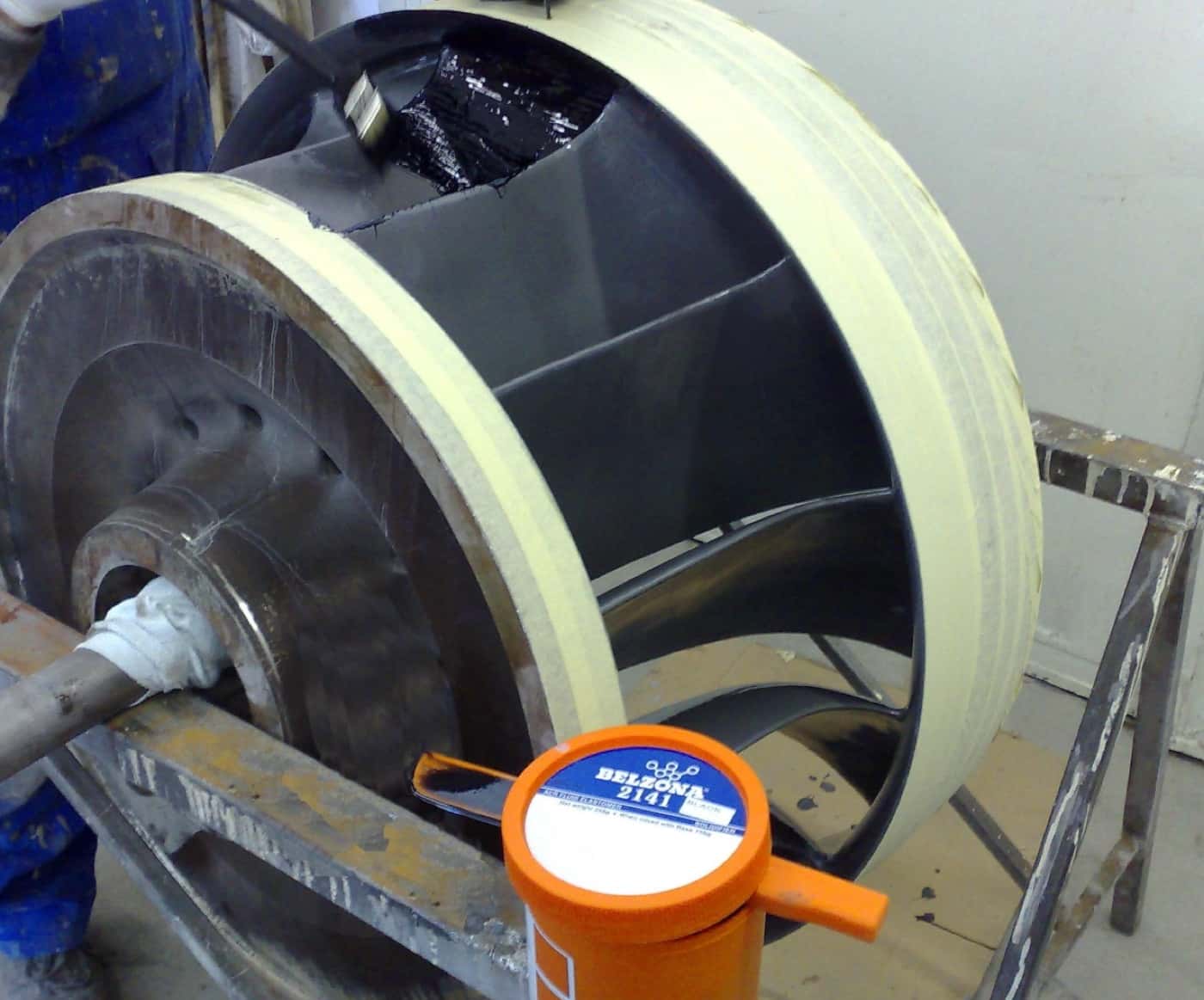
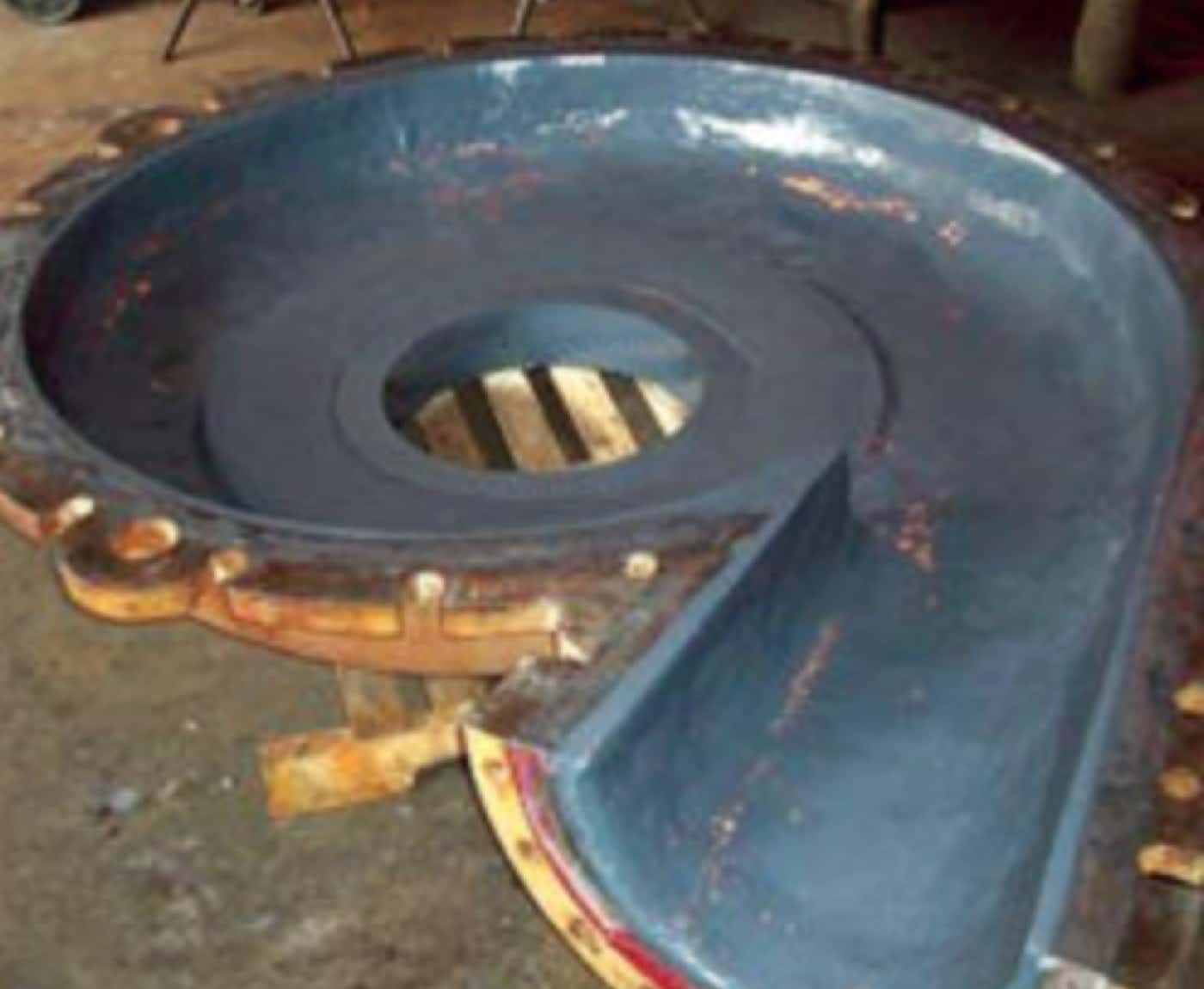
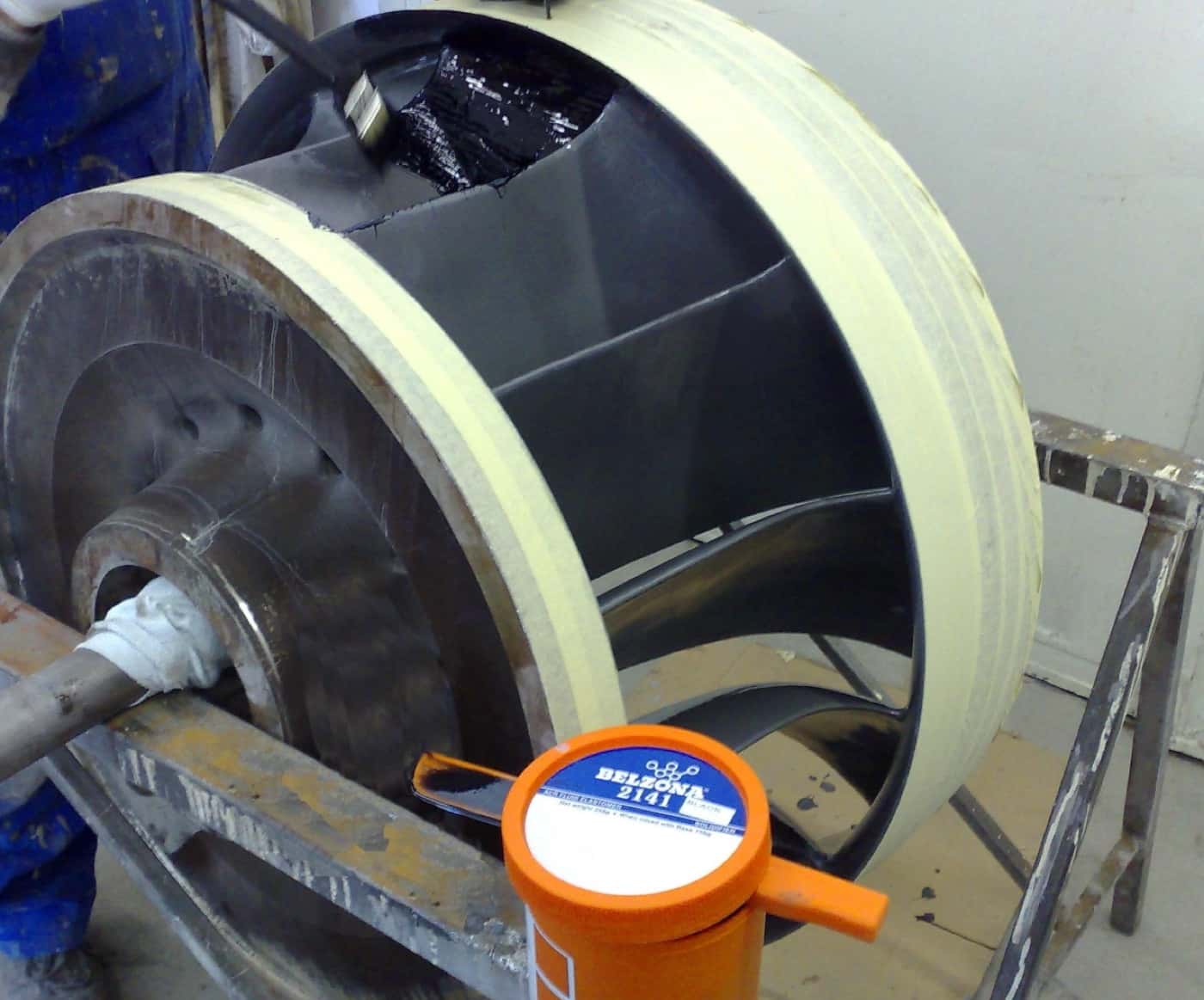
Abrasive slurry erodes pump impellers, casings, agitators, and mixer blades. As the vane geometry rounds off, the pump drops off its head curve and the unit burns energy to move less product. We rebuild the eroded vane and casing profile, then overcoat it with an erosion-resistant ceramic layer. The pump returns to its rated profile with no weld distortion pulling the casing out of round.
Fan blades fail on the same logic in a gas stream. Particle-laden air erodes the leading edges, tips, and deflectors. Airflow falls and the rotor goes out of balance over a single campaign. We rebuild the eroded edges with a Belzona metal-repair compound, restore the aerodynamic profile, and overcoat with a ceramic wear layer. The work puts no heat stress on the blade root, so the fix does not introduce the next crack.
Cyclones, turbines, and combined erosion-corrosion
Swirling particle-laden gas inside cyclones and separators erodes the cone walls and vortex finders until the plate thins and capture efficiency drops. We line the worn interior with cold-applied erosion-resistant ceramic coatings, and the vessel goes back to service during the outage with no new plate welded in. The cone holds its shape and the separator keeps doing its job.
Cavitation is its own kind of damage. Collapsing vapor bubbles pit turbine runners, propellers, Kort nozzles, and stern tubes, leaving the spongy metal loss that keeps thinning the steel. We line cavitation-prone surfaces with a cold-applied elastomer that absorbs the implosion energy. Where flow-induced metal loss exposes fresh steel that the process chemistry then attacks, on seawater filters, amine systems, impellers, and rudders, we coat the surface with a ceramic-filled product rated for the combined erosion and chemical load. Both failure modes get held back in one cold recoat.
What you get back
Every one of these repairs finishes in the outage or dry-dock window you already have on the calendar. There is no second shutdown to schedule and no hot work permit to pull. The crew preps the surface, applies the lining cold, and the unit goes back into service on time.
The payoff shows up at the next turnaround. Chutes and hoppers run more campaigns between liners. Pumps and fans hold their rated profile instead of bleeding efficiency. Cyclones, runners, and rudders keep their geometry and keep doing their work. You spend less on replacement steel, less on emergency callouts, and more time with the asset earning. When you do need us off-hours, the 24-hour line is staffed.
Identify, engineer, and provide the fix
AAS works cold-applied: no hot work and no hot-work permits to remove or install. Most repairs happen in service or on a planned turnaround, without the permitting burden and downtime that hot work brings.
Identify
We are on call 24 hours and work with your engineering team to identify the problem and what is driving it.
Engineer the solution
We develop the repair, both engineered and non-engineered solutions, matched to the conditions the asset actually sees.
Provide products and services
We deliver what it takes to solve it: factory-trained, NACE-certified applicator support and turnkey services as requested, in-house, in the field, and in a controlled shop environment through Advanced Applications Specialists.
Applications in Erosion & Abrasion
Anti-cavitation and turbine coatings
Collapsing vapor bubbles pit turbine runners, propellers, Kort nozzles, and stern tubes, driving the spongy cavitation damage that thins the steel.
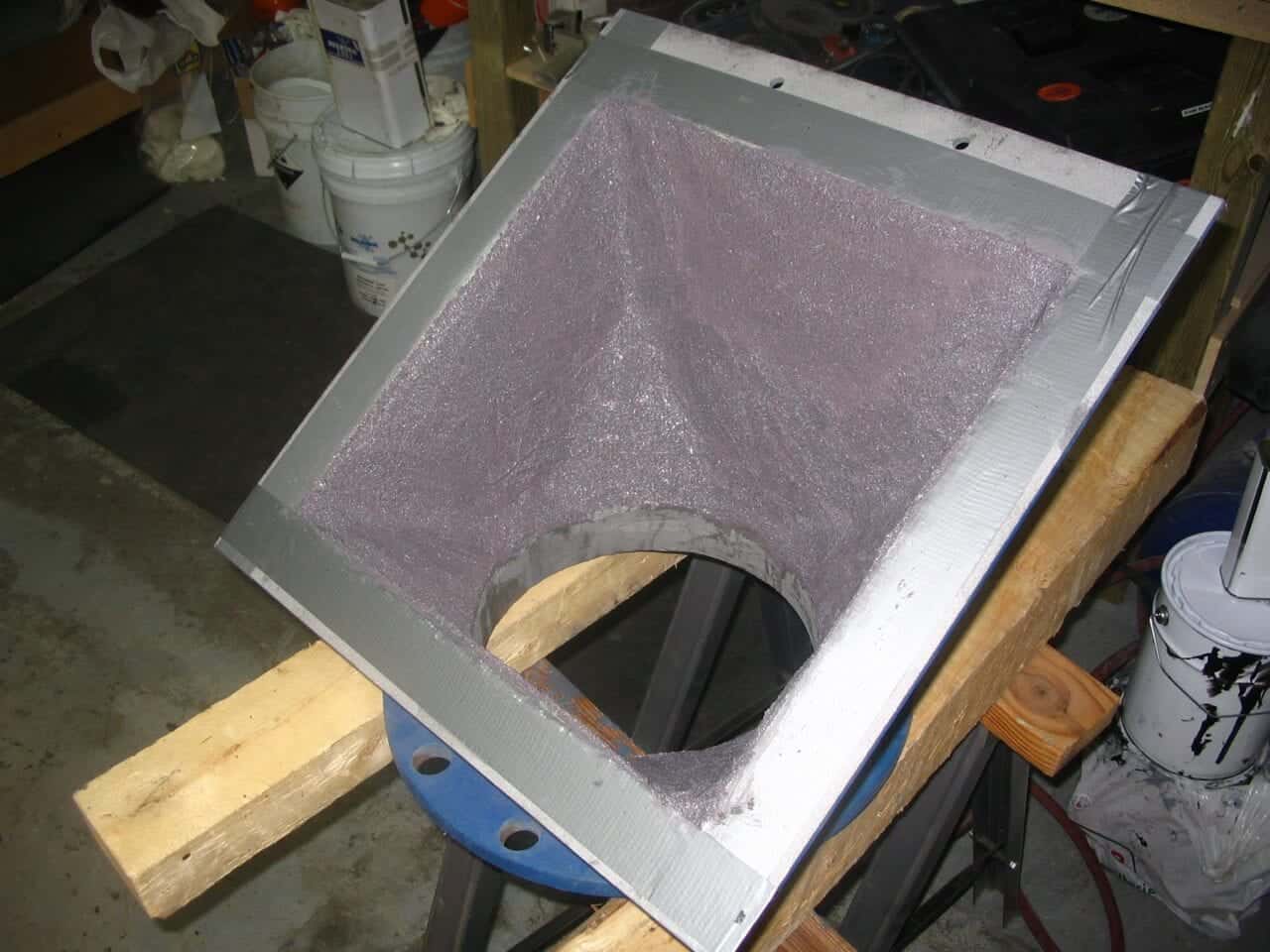
Chute, hopper and transfer-point abrasion lining
Sliding bulk material wears through chutes, hoppers, silos, and mill liners faster than any replacement cycle can keep up with.
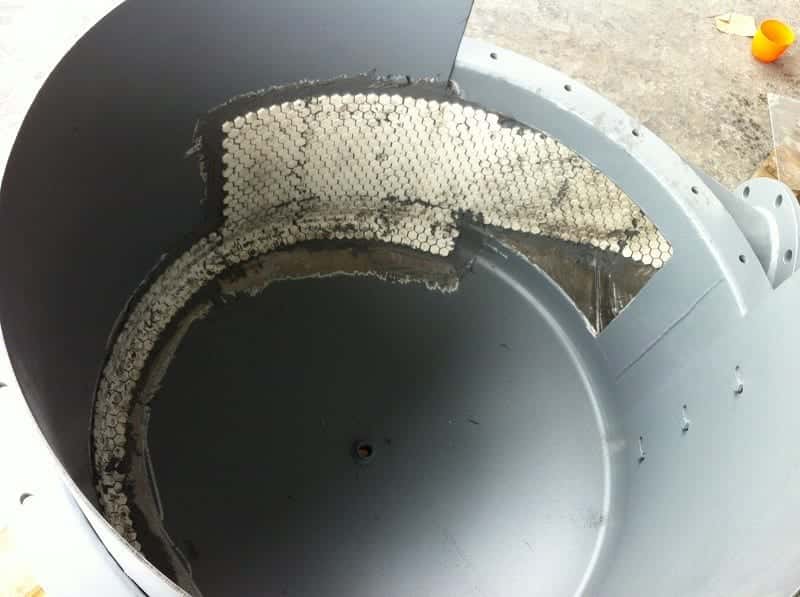
Cyclone and separator erosion protection
Swirling particle-laden gas inside cyclones and separators erodes the cone walls and vortex finders until plate thins and capture efficiency drops.
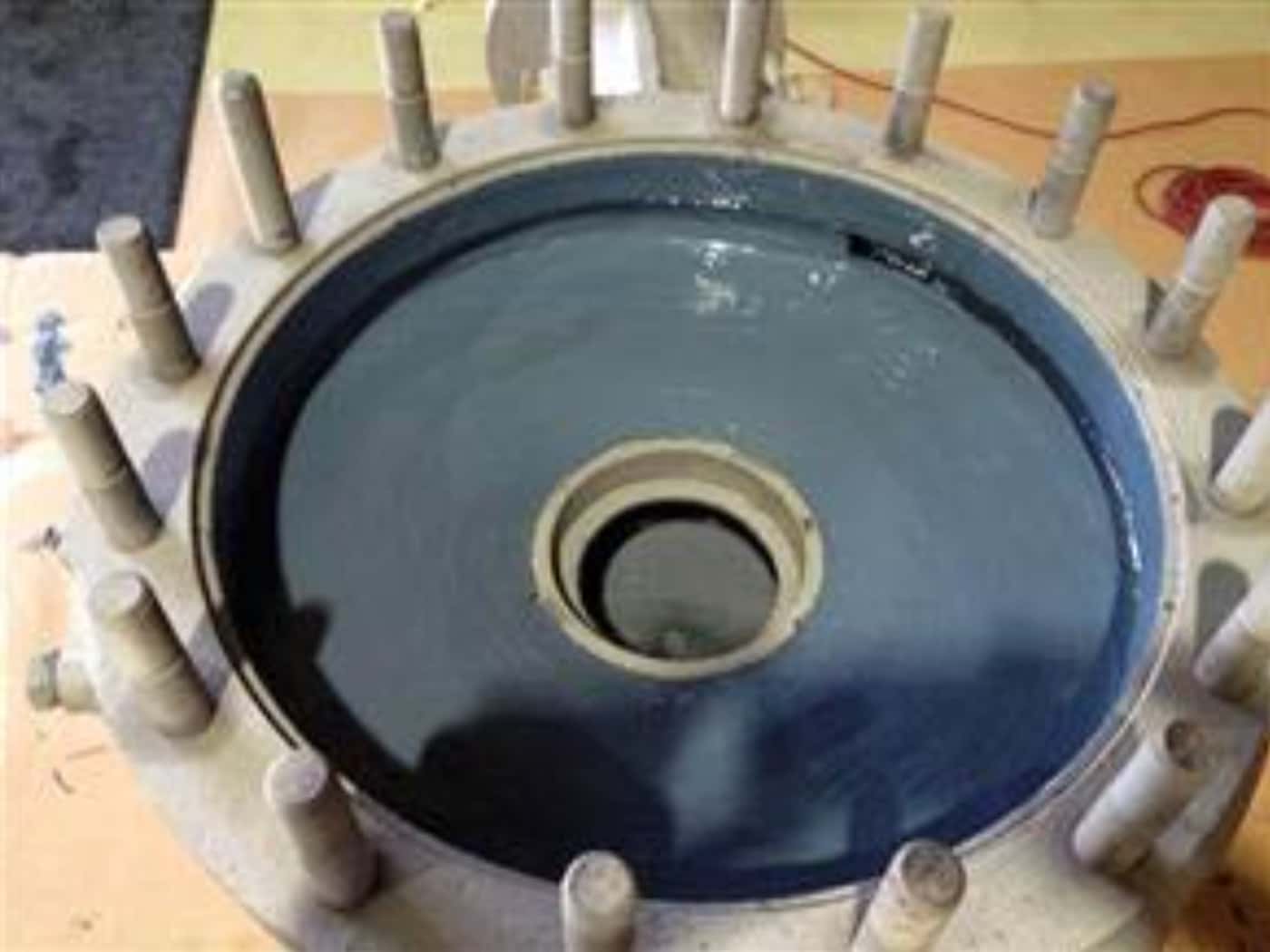
Erosion-corrosion resistant equipment coatings
Flow-induced metal loss exposes fresh steel that the process chemistry then attacks, thinning seawater filters, amine systems, impellers, blades, and rudders.
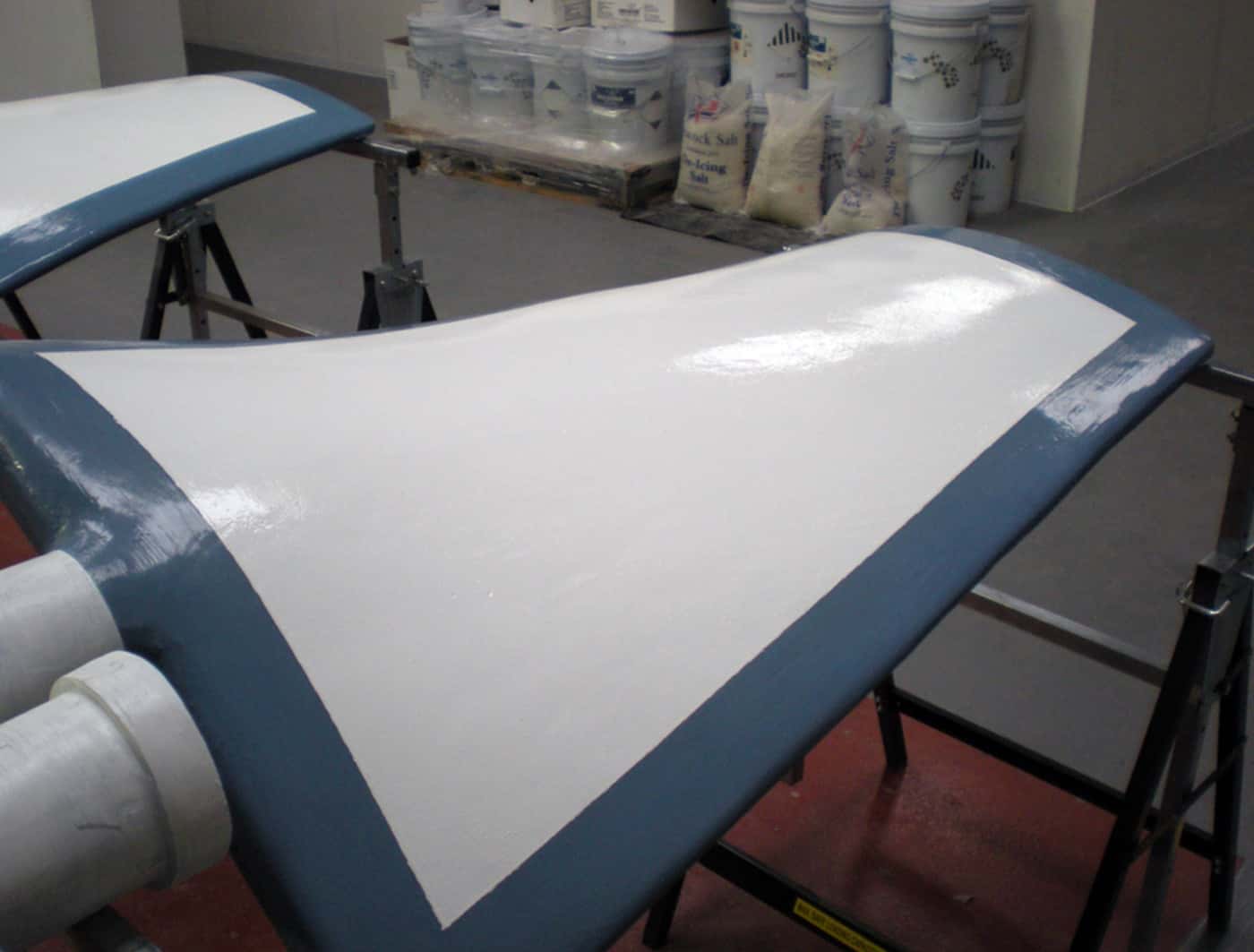
Fan blade and deflector erosion protection
Particle-laden gas streams erode fan blade leading edges, tips, and deflectors, dropping airflow and unbalancing the rotor over a single campaign.
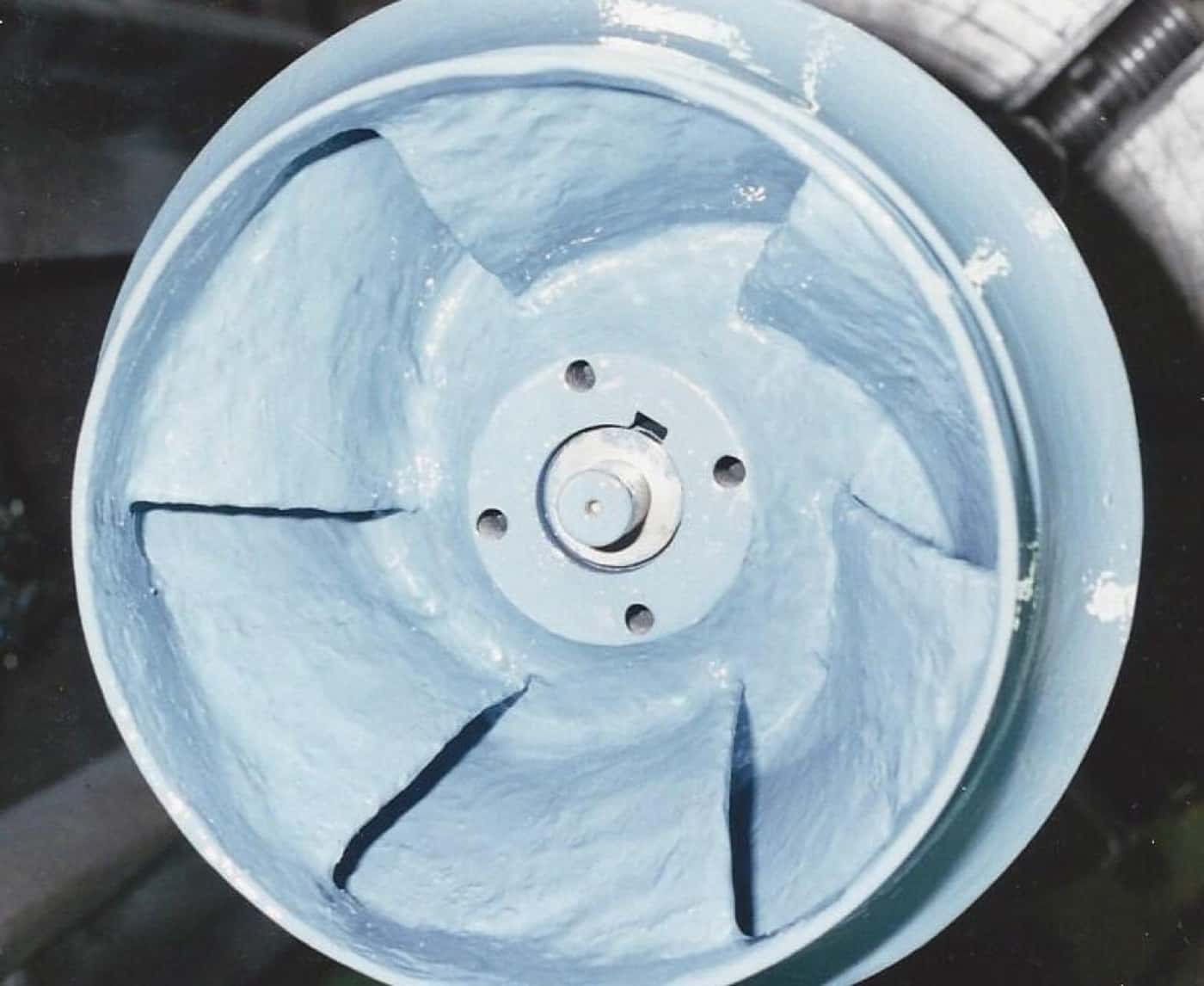
Slurry pump and impeller wear protection
Abrasive slurry erodes pump impellers, casings, agitators, and mixer blades, pulling the unit off its head curve and dropping efficiency.
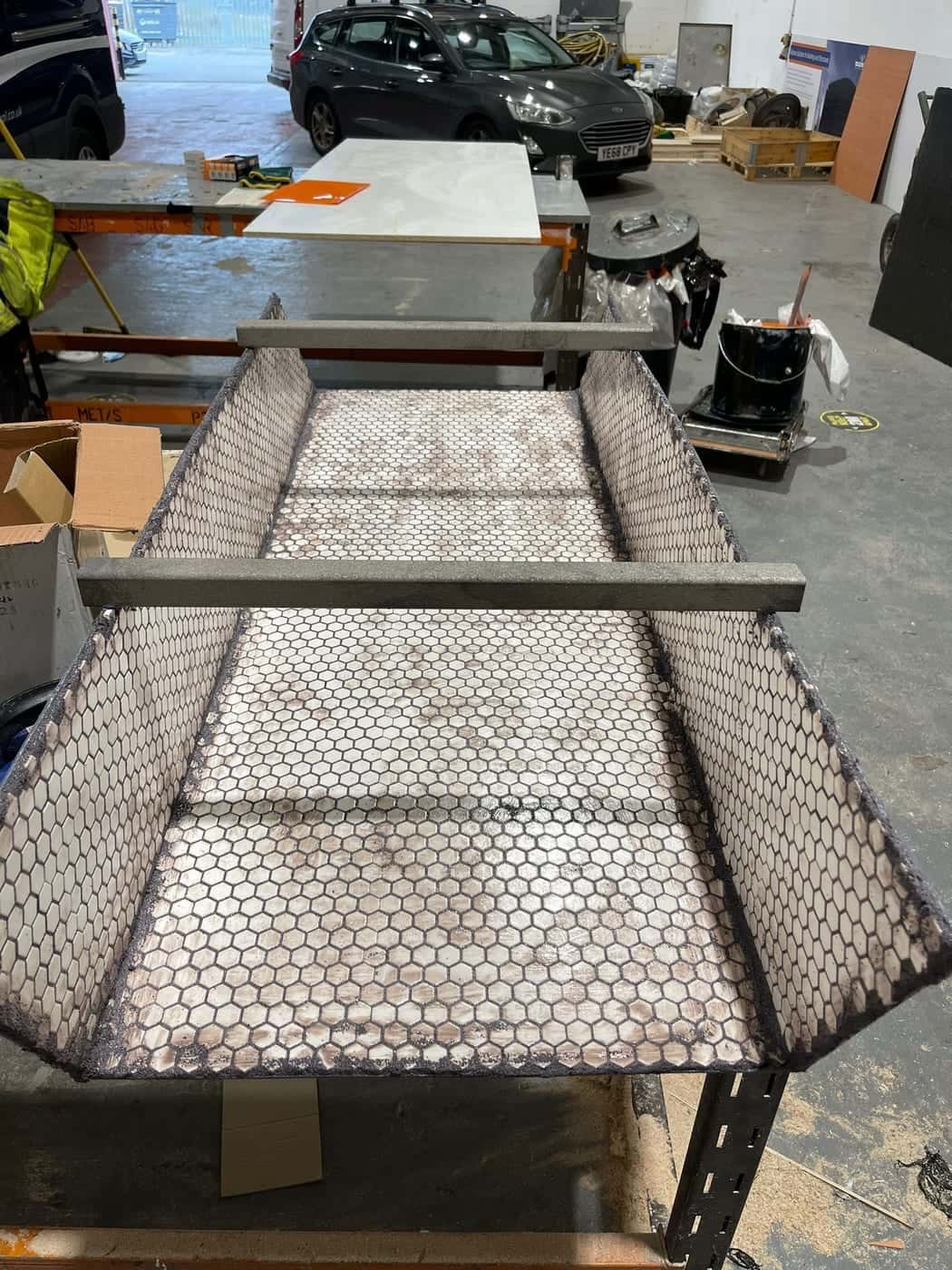
Wear plate and bar protection
Wear plates and bars in chutes, crushers, and handling equipment lose thickness to impact and sliding abrasion, then sit loose against an irregular backing.
Typically applied with 1000 Series, 2000 Series Belzona systems, matched to the service conditions.
What this does for your facility
Industries where this is commonly used
Related capabilities
Have equipment that needs to stay in service?
Tell us what is failing. We respond quickly, and we offer 24-hour on-call service.