
Conveyor Pulley and Idler Lagging
Worn pulley lagging and grooved idlers rebuilt and relagged so the belt drives without slip, no replacement pulleys.
What was failing
On a bulk conveyor, the drive and bend pulleys carry the belt on a layer of lagging that has to stay rough enough to grip. As that lagging wears smooth, the pulley loses its hold on the belt and the belt starts to slip, especially under load. The idlers run into the same trouble from a different direction: the belt and the carryback wear the rolls flat and cut grooves into the faces, so the rolls no longer turn round and the belt tracks off line. Once the belt slips and wanders, it spills material, frays at the edges, and drags the whole line down with it. The usual fix is to pull the pulleys and idlers and wait on replacements, which keeps the conveyor down longer than the plant can afford.
How AAS approaches it
We take the pulleys and idlers as we find them and work the metal first. On the pulley shells we strip off the worn lagging and blast back to sound, profiled metal, then rebuild any spots where the shell has lost profile so the new lagging sits true. Over that we apply a tough cold-applied elastomer lagging that grips the belt and stands up to the abrasion coming off the material. On the idlers we build the grooved and flattened faces back up to a round profile and protect them against the carryback that cut them in the first place. Everything is done cold, so there is no hot work on the shells and no waiting on new castings, and the crew gets the conveyor back running true.
Assess the drive train
We inspect the drive and bend pulleys and the idlers to see where the lagging has gone smooth and where the faces have worn flat or grooved.
Strip and blast to sound metal
We remove the old worn lagging and grit-blast the pulley shells and idler faces back to a clean, profiled surface so the rebuild and lagging bond.
Rebuild lost profile
We rebuild any lost shell profile and build the grooved idler faces back up to round with cold-applied composites, no hot work on the rolls.
Apply elastomer lagging
We lag the pulley shells with a tough elastomer that grips the belt, and protect the rebuilt idler faces against the carryback that wore them.
Return to service
We let the lagging cure and check the profile, then hand the conveyor back so the belt drives true without waiting on replacement pulleys.
The result
From the job
Repair and protection work of this kind, performed by AAS crews across Louisiana.
Capabilities used here
Where this work happens
Other projects
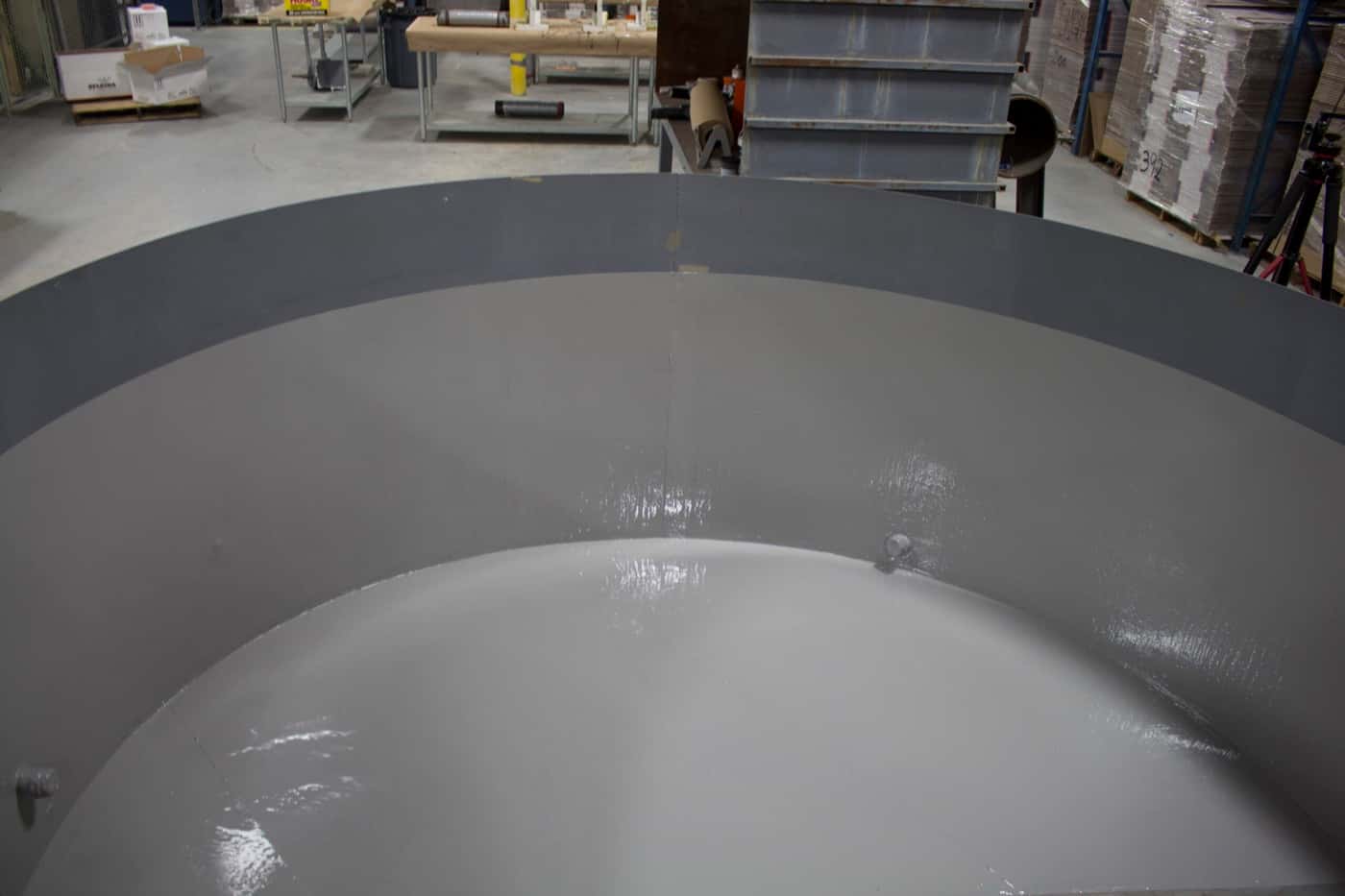
Storage Tank Floor Reclamation
Corroded aboveground tank floor rebuilt and lined back to immersion service without cutting out plate.
View project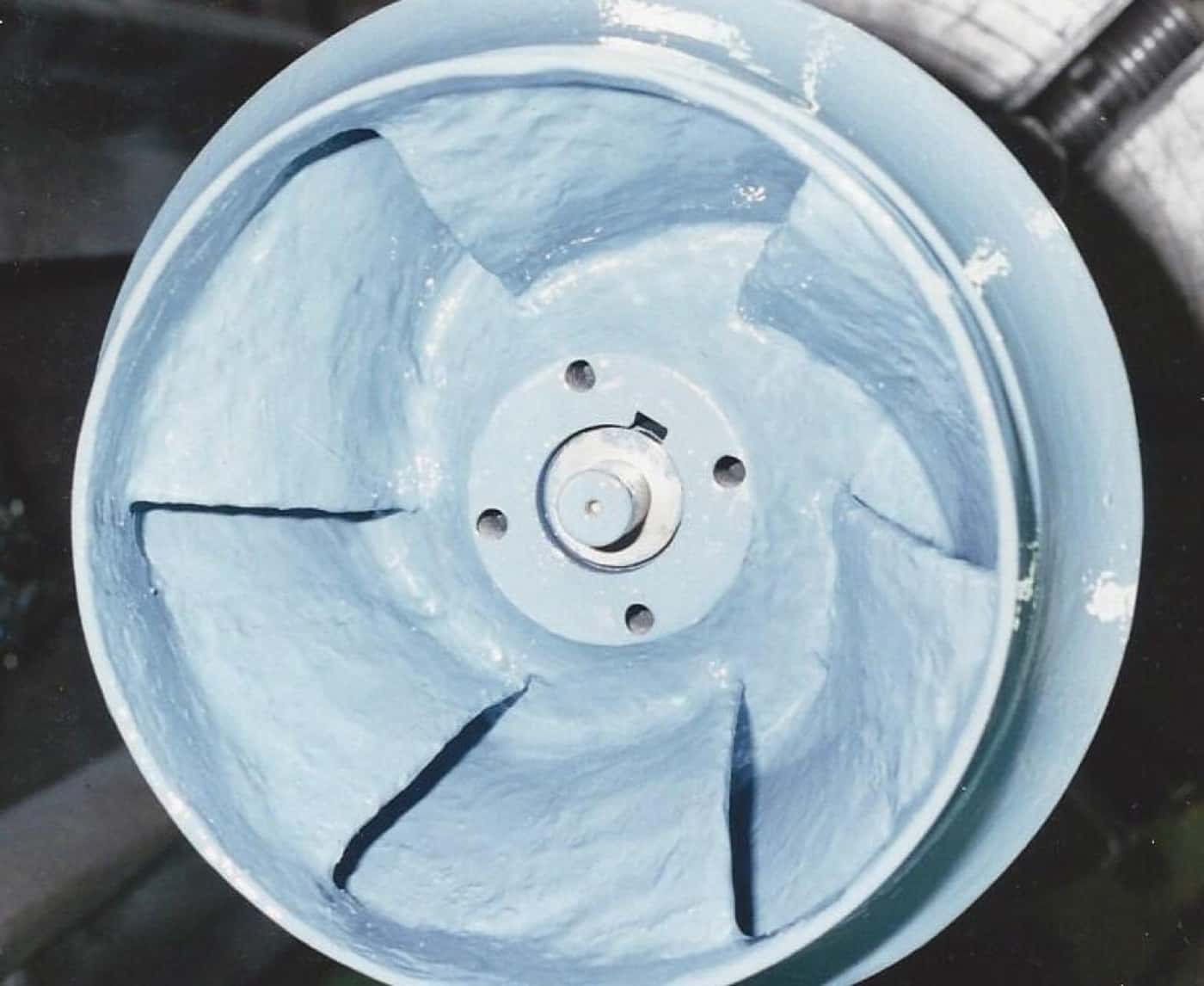
Centrifugal Pump Rebuild & Efficiency Restoration
Cold-rebuilding an eroded pump casing and lining it to restore clearances, no new casting required.
View project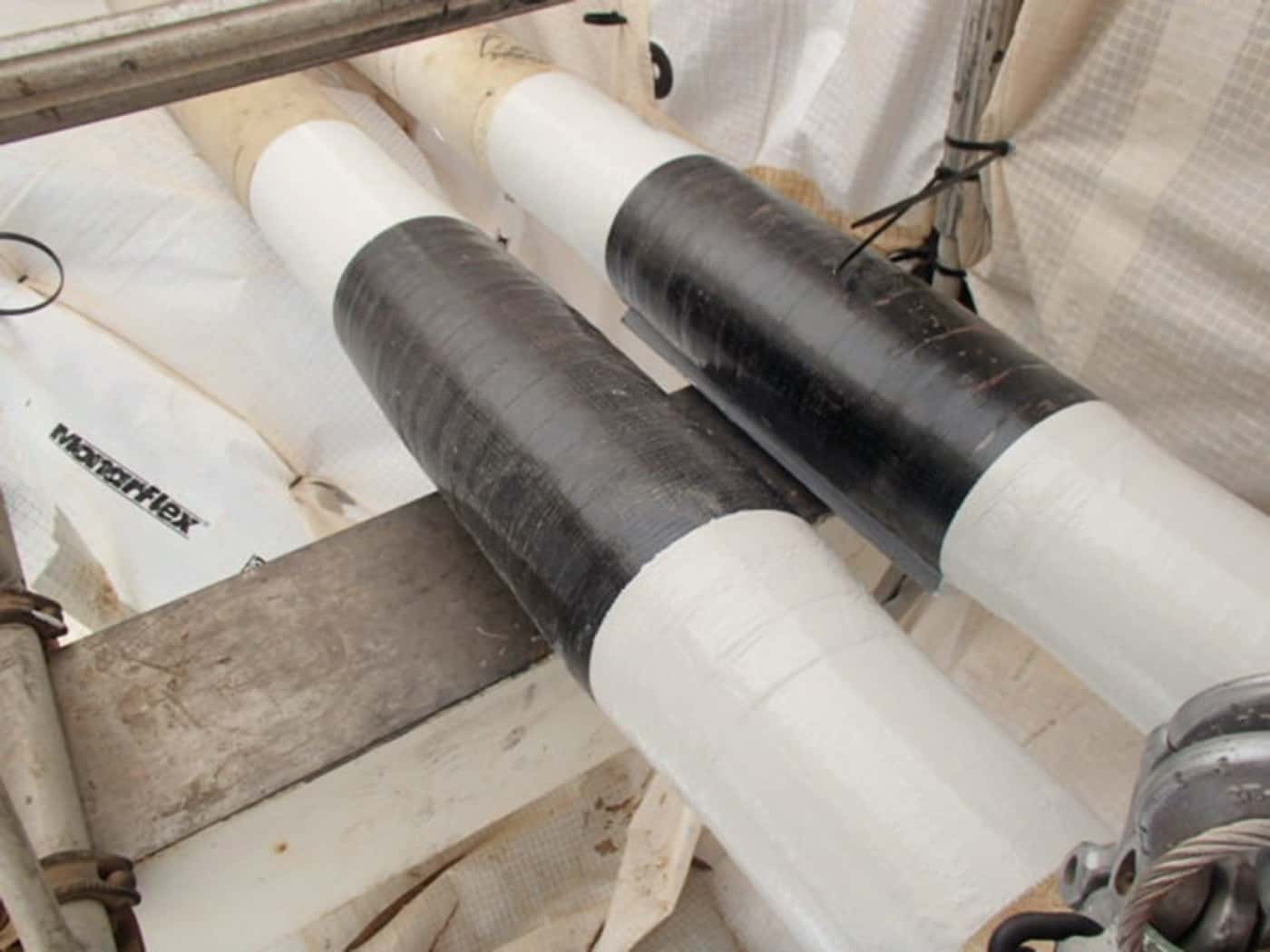
Live Pipe Leak Seal & Composite Wrap
Live leak sealed and a degraded process line reinforced with an engineered composite wrap, no welding and often no shutdown.
View project
Wastewater Clarifier & Concrete Structure Relining
Spalled, rebar-exposed concrete clarifier rebuilt and relined for continued immersion service.
View project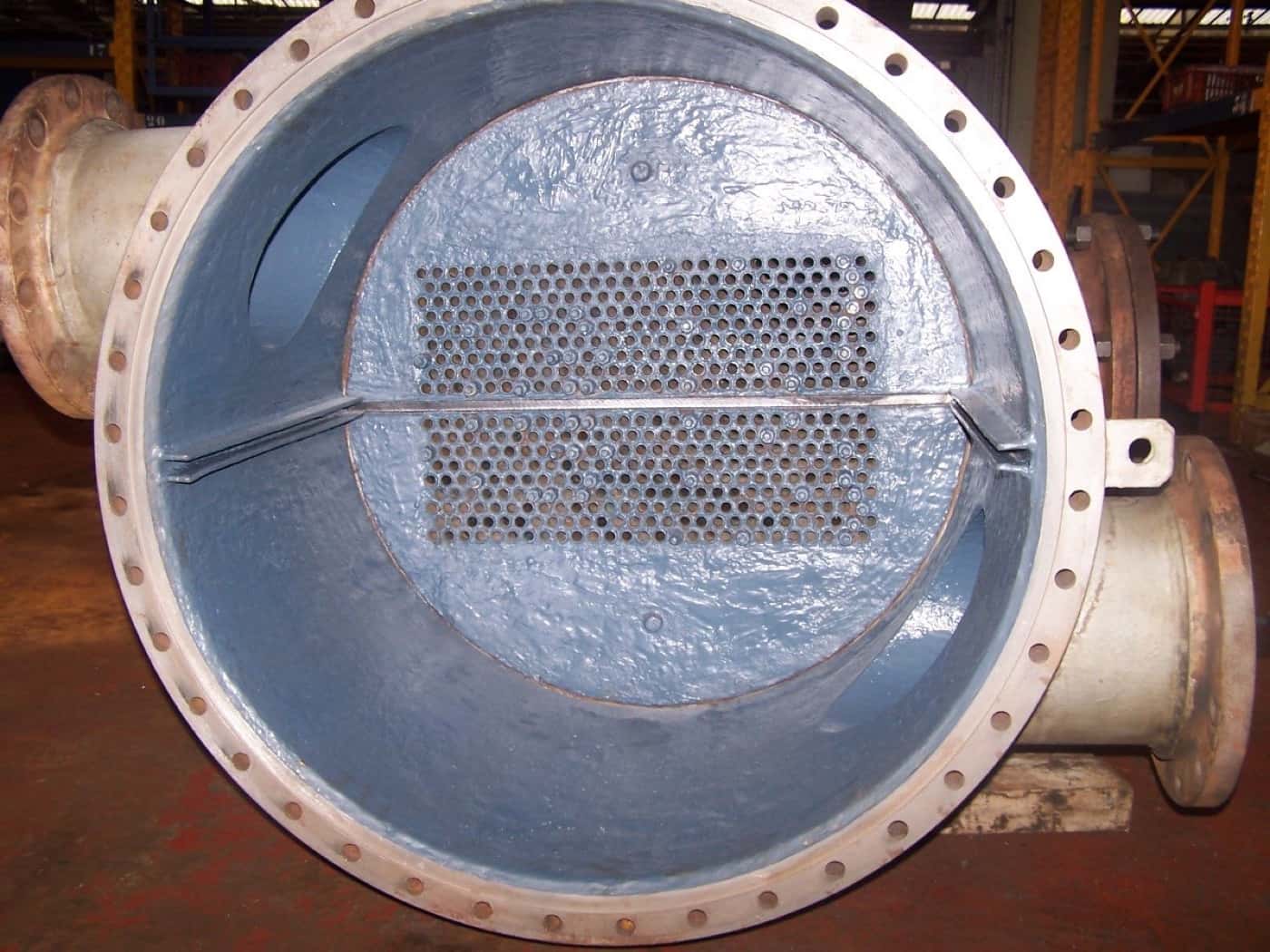
Heat Exchanger Water Box Protection
Blasting, metal rebuild, and a barrier coating restore a corroded exchanger water box and tube sheet in cooling-water service.
View projectHave equipment that needs to stay in service?
Tell us what is failing. We respond quickly, and we offer 24-hour on-call service.