Anti-cavitation and turbine coatings
Collapsing vapor bubbles pit turbine runners, propellers, Kort nozzles, and stern tubes, driving the spongy cavitation damage that thins the steel.
What is failing
Vapor bubbles form in low-pressure zones, then collapse against the metal and hammer it microscopically. Over a campaign this pits turbine runners, propellers, Kort nozzles, and stern tubes into a spongy, thinned surface. Left alone, the damage deepens until the component loses efficiency and heads for replacement.
How AAS does it
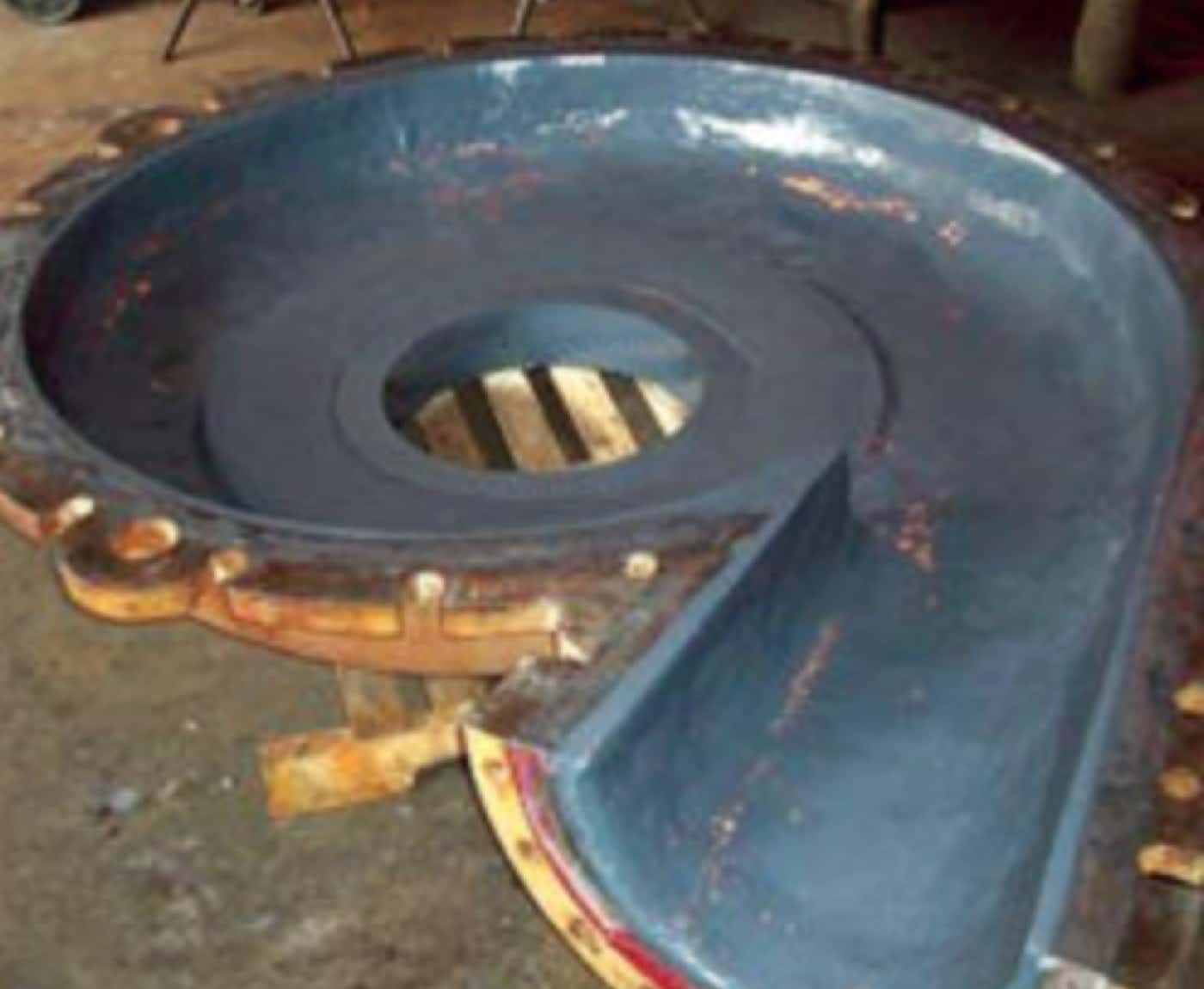
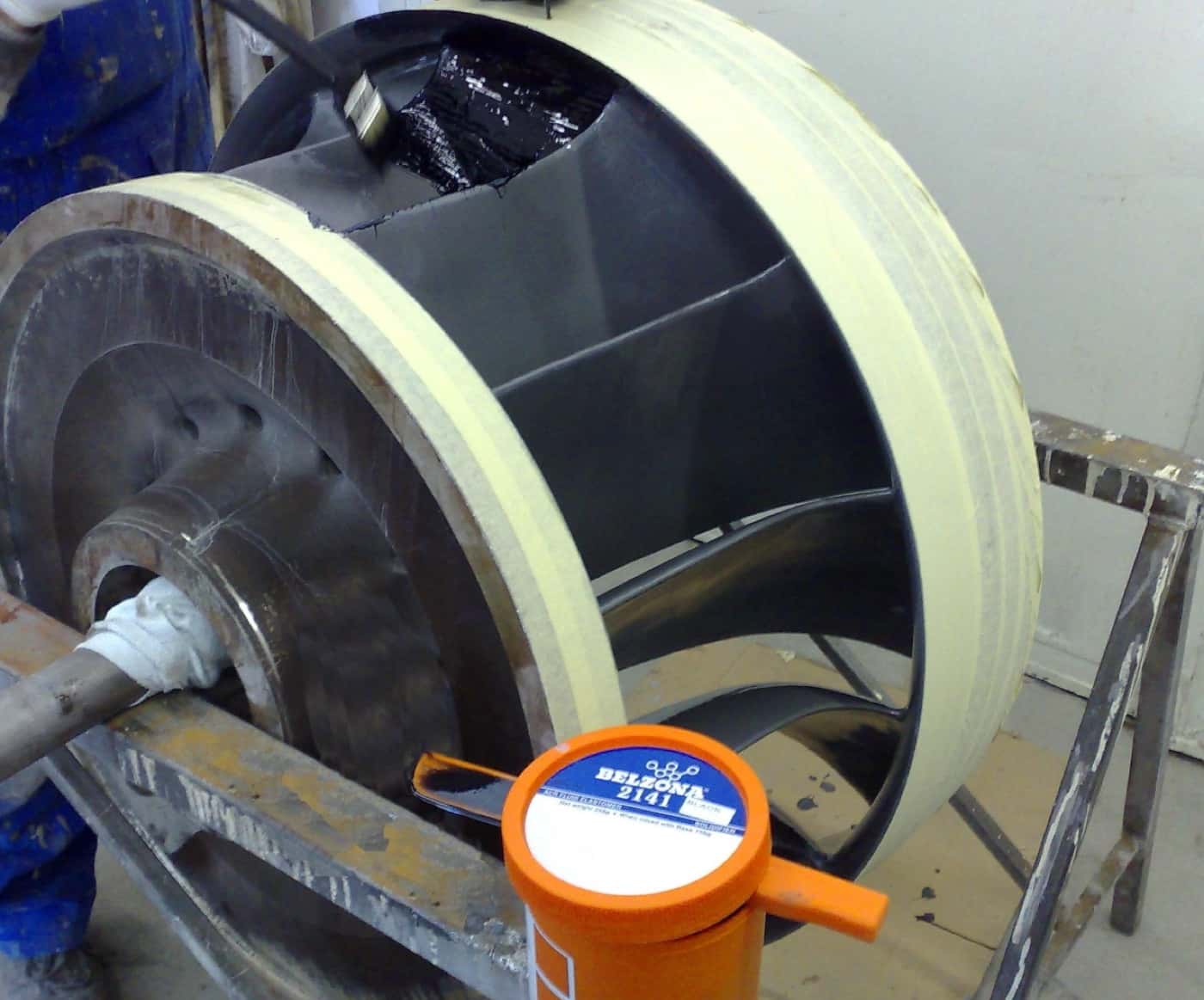
AAS prepares the pitted surface and lines it cold with a resilient elastomer that flexes under each implosion and absorbs the energy instead of fracturing. The work runs in the existing outage or dry-dock window, in the field or in our climate-controlled shop. No welding and no heat into the casting, with a Belzona 2000 series elastomer where the service calls for it.
Typically applied with Belzona 2141, Belzona 1391T, matched to the service conditions.
The runner or propeller returns to service with a cavitation-resistant face, and the operator keeps the unit on its original profile instead of scheduling a costly rebuild.
How AAS delivers it
AAS performs Anti-cavitation and turbine coatings work for Power Generation, Marine & Offshore, and Water & Wastewater operations across Baton Rouge and Louisiana, cold-applied and in place wherever possible, on your turnaround schedule. Crews are factory-trained Belzona applicators, the repair system is matched to the service conditions it will see, and urgent failures are covered by 24-hour on-call response. The result is a permanent, engineered repair that returns the asset to service without the cost or downtime of full replacement.
Have equipment that needs to stay in service?
Tell us what is failing. We respond quickly, and we offer 24-hour on-call service.