
Ballast Tank Pitting Rebuild
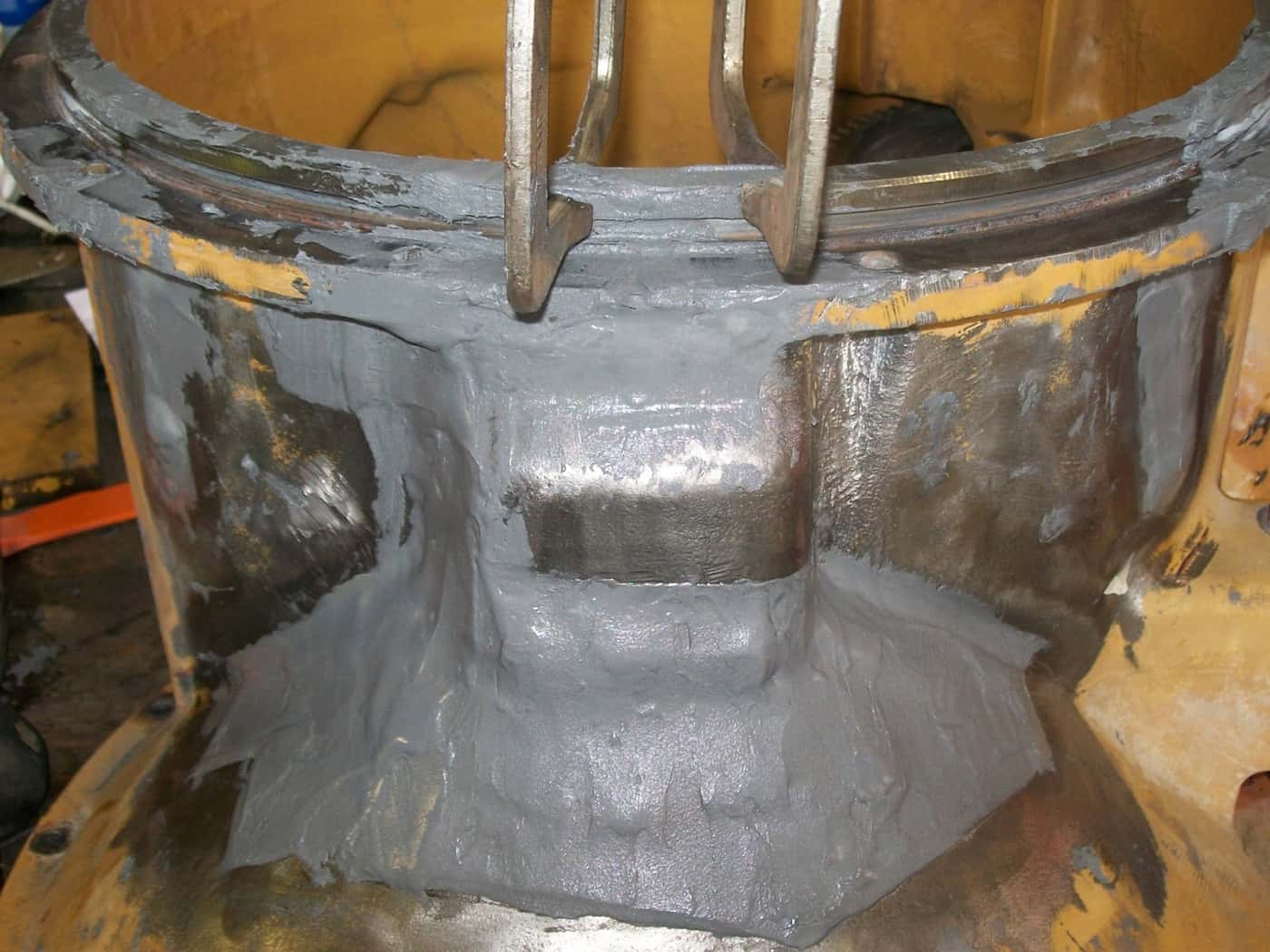
Deeply pitted seawater ballast tank cold-filled and lined for immersion service without cutting plate.
What was failing
A ballast tank sits under constant seawater immersion, alternately flooded and emptied, and that cycle drives deep, localized pitting into the steel. As the pits advance, the wall loses thickness at scattered points across the plate and the internals, and the corrosion keeps concentrating wherever bare steel is exposed. Left untreated, the pitting perforates the plate and the tank can no longer hold ballast or keep the vessel trimmed safely. The owner needed the steel protected and the pitting arrested without cutting out and replacing plate, which means hot work that is hard to justify inside a confined ballast tank.
How AAS approaches it
We start by cleaning the tank internals back to clean, profiled steel so the repair bonds and the corrosion has nowhere left to sit. We cold-fill the pits with a Belzona 1000 Series composite, bringing the scattered metal loss back to a flush, sound surface with no welding and no heat in the tank. Once the substrate is solid and shaped, we apply a 5000 Series immersion-grade lining over the full surface, sealing the cold-filled pits and the surrounding steel under one continuous barrier keyed to seawater service. The work stays cold and confined-space friendly from start to finish.
Assess and map
We enter the tank, map where the pitting is deepest, and confirm seawater immersion service so the lining is keyed correctly.
Surface preparation
We clean and abrasive blast the internals to a profiled surface so the cold-fill composite and the lining both bond to bare steel.
Cold-fill the pitting
We fill the pits with a 1000 Series composite, bringing the scattered metal loss flush with no welding and no heat in the tank.
Apply immersion lining
We apply a 5000 Series immersion-grade lining across the full surface as one continuous barrier over the steel and the filled pits.
Inspect and return to service
We check the lining for continuity and hand the tank back ready to take ballast again.
The result
From the job
Repair and protection work of this kind, performed by AAS crews across Louisiana.
Capabilities used here
Where this work happens
Other projects
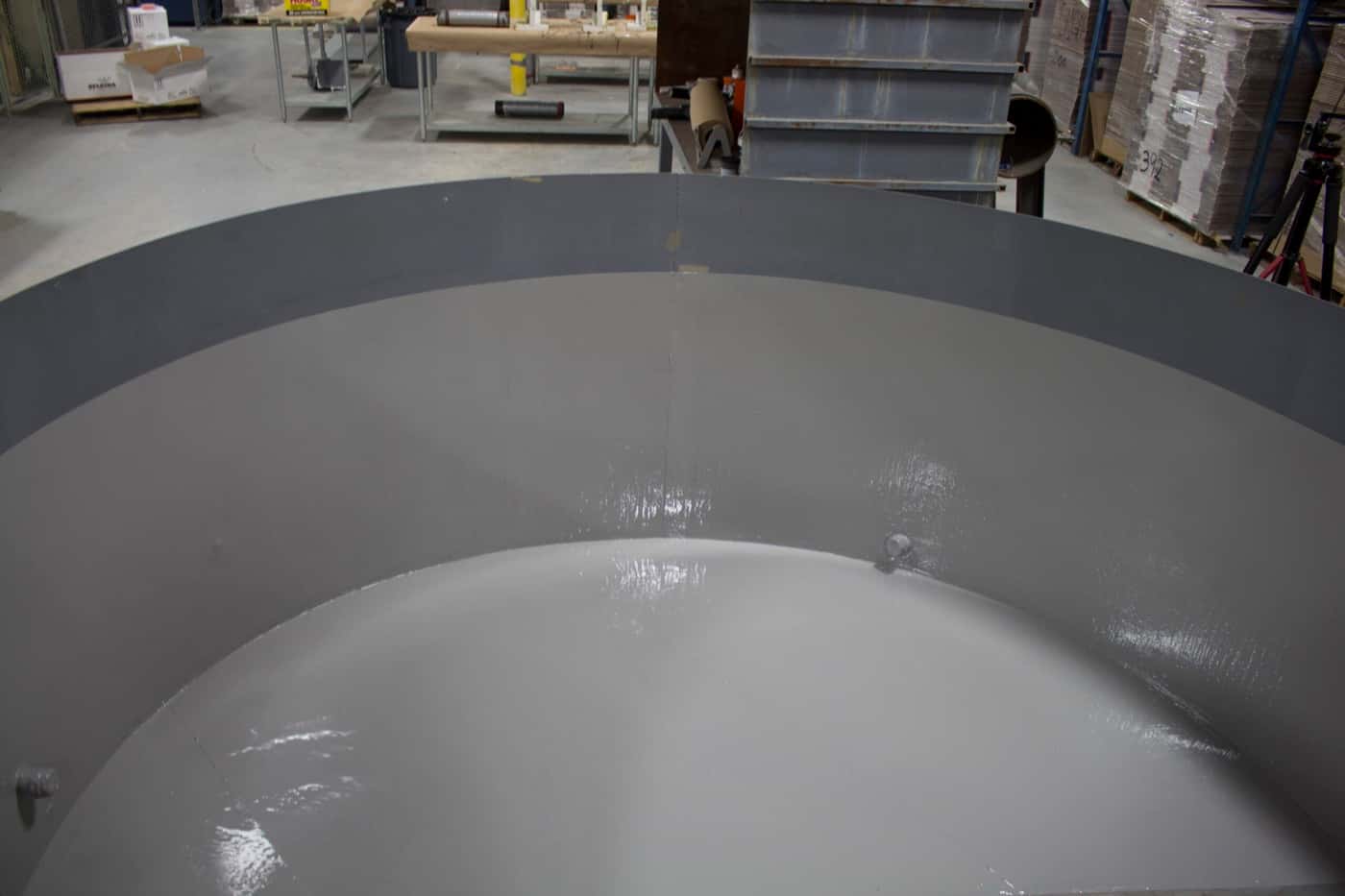
Storage Tank Floor Reclamation
Corroded aboveground tank floor rebuilt and lined back to immersion service without cutting out plate.
View project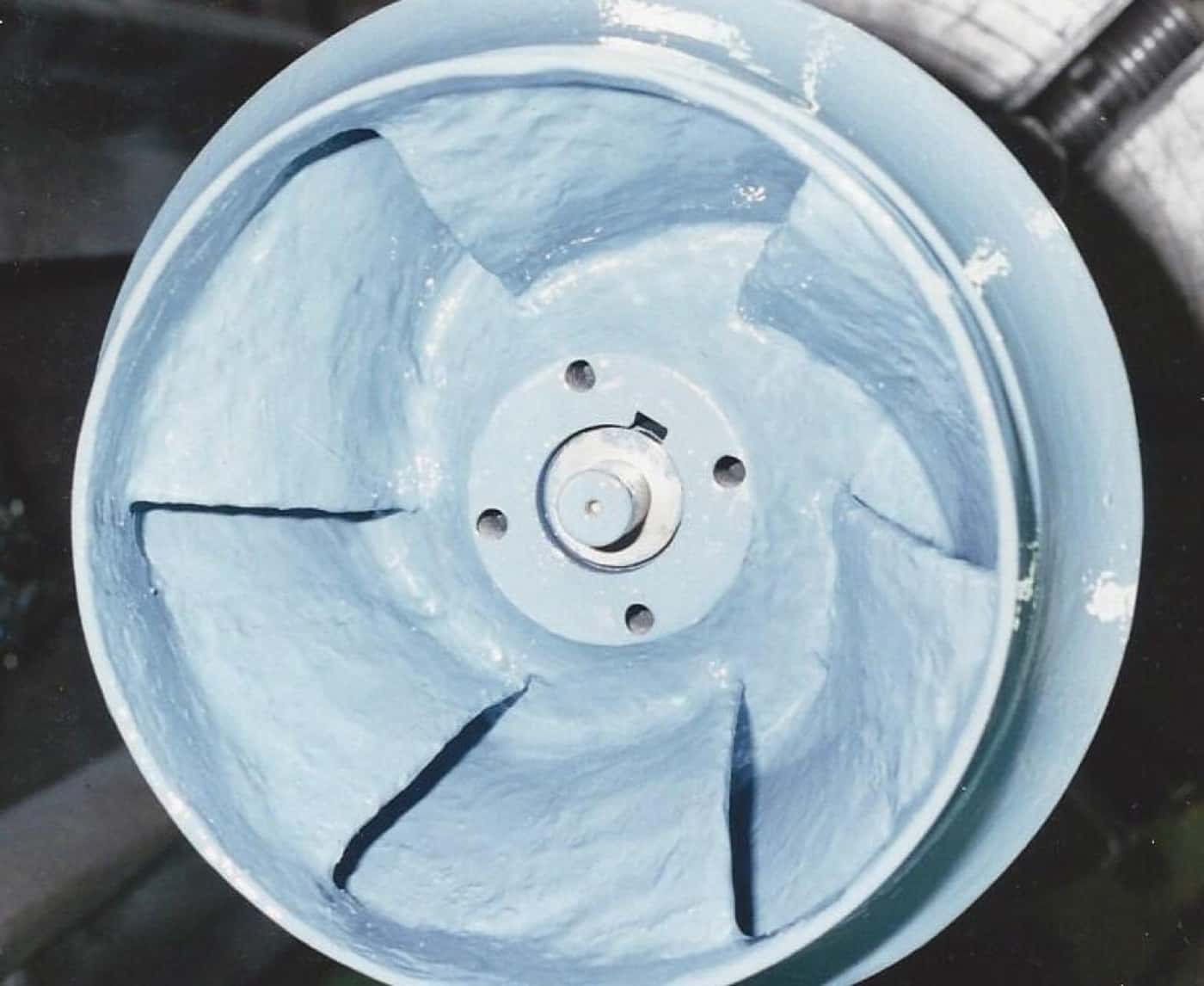
Centrifugal Pump Rebuild & Efficiency Restoration
Cold-rebuilding an eroded pump casing and lining it to restore clearances, no new casting required.
View project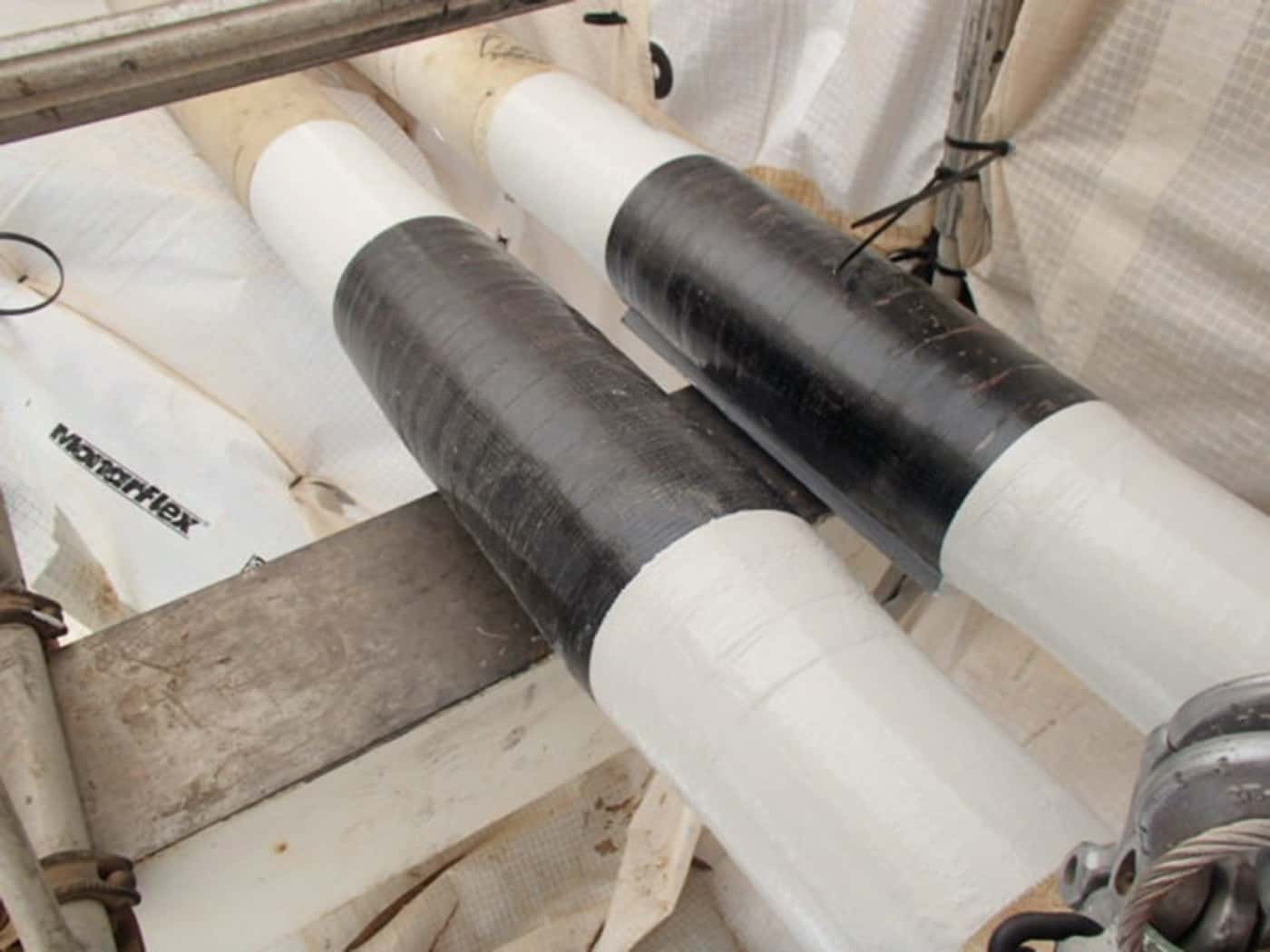
Live Pipe Leak Seal & Composite Wrap
Live leak sealed and a degraded process line reinforced with an engineered composite wrap, no welding and often no shutdown.
View project
Wastewater Clarifier & Concrete Structure Relining
Spalled, rebar-exposed concrete clarifier rebuilt and relined for continued immersion service.
View project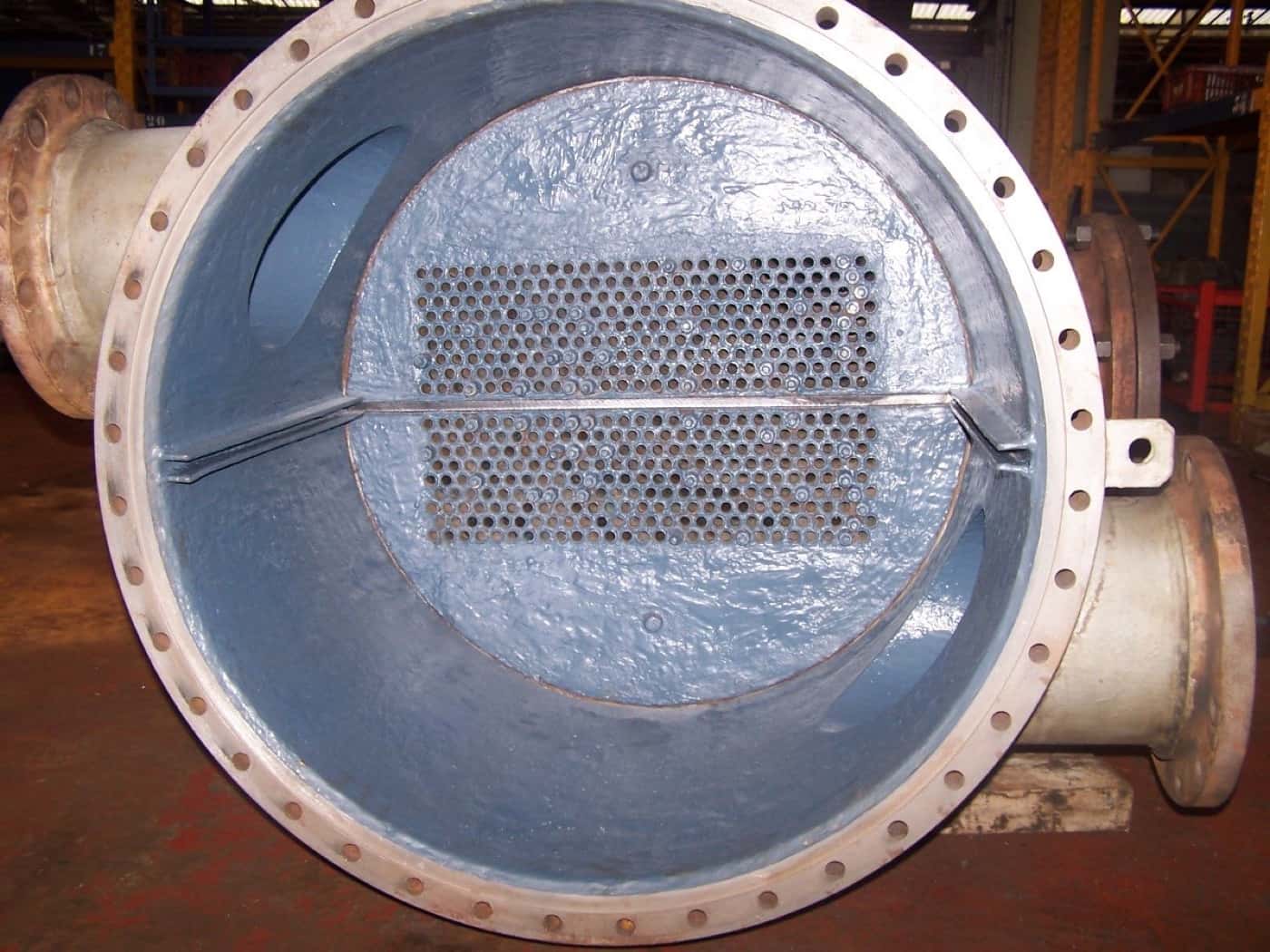
Heat Exchanger Water Box Protection
Blasting, metal rebuild, and a barrier coating restore a corroded exchanger water box and tube sheet in cooling-water service.
View projectHave equipment that needs to stay in service?
Tell us what is failing. We respond quickly, and we offer 24-hour on-call service.