Marine & Offshore Coating & Repair Services
Corrosion protection, metal repair, and rubber repair for vessels and offshore structures in splash-zone and immersion service.
AAS in Marine & Offshore
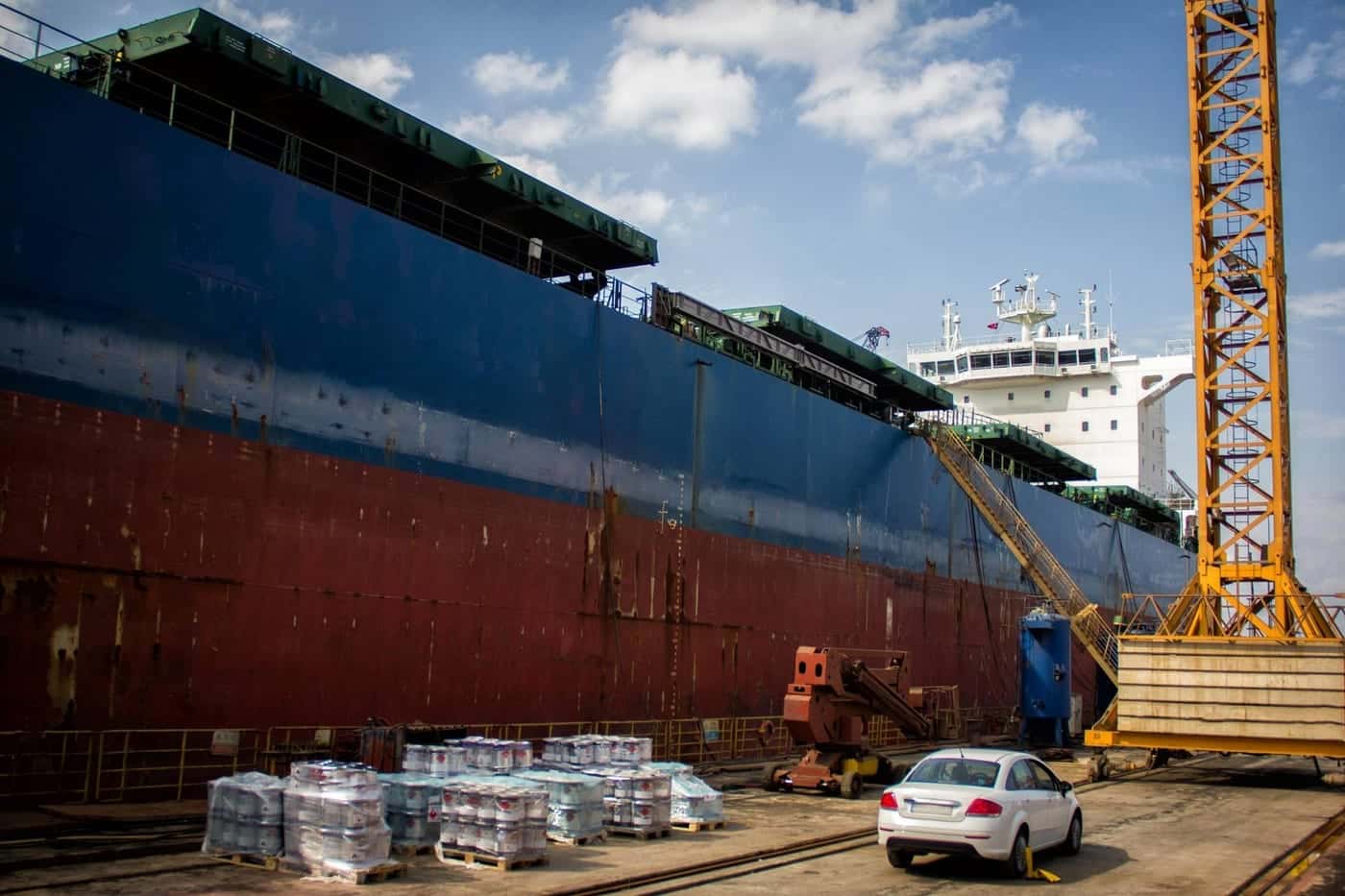
Saltwater never stops working against a hull or a platform. Splash-zone steel corrodes through every tidal cycle. Pump shafts and bearings wear under load. Propellers and rudders cavitate. Rubber fenders tear on impact. Pipework starts to weep where you cannot afford a shutdown. Drydock time and offshore deck space both cost money. The work has to happen on a turnaround clock, often in wet conditions. It has to happen without hot work that pulls a marine gas-free or hot-work permit. AAS is a crew of factory-trained and factory-certified Belzona applicators based in Baton Rouge. We have worked Louisiana vessels and structures for years. We handle the surface prep, the repair, and the protective coating in the field, on the water, and in our climate-controlled shop. We carry a strong safety record and run 24-hour on-call service for the leaks that will not wait.
Hulls, splash-zone steel, and offshore structures
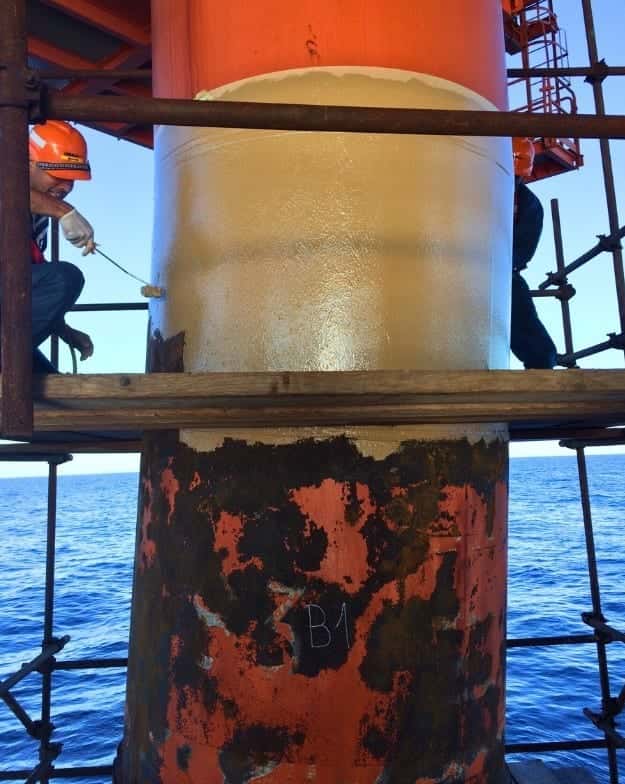
Splash-zone steel is the hardest corrosion problem on the water. Tidal wetting and full immersion strip coatings and attack piles, risers, and hull plate. They do it faster than any topside surface. We use surface-tolerant Belzona systems that cure on wet and even underwater steel. So we do not have to dry a substrate that the sea will not let us keep dry. That keeps a structure protected through the immersion cycle. You stop waiting for a weather window that may never come.
Concrete in the marine environment fails the same way, from the inside out. Reinforcing bar corrodes, expands, and cracks the cover. We clean and prime the exposed rebar before rebuilding the concrete. That stops the corrosion cycle that caused the original spall. It does not just patch over the damage. The structure then holds its protection through another service interval. You do not cut out and recast sound concrete.
Propellers, rudders, pumps, shafts, and bearings
Rotating gear on a vessel loses efficiency long before it fails outright. Cavitation pits propellers, Kort nozzles, stern tubes, and rudders. It leaves spongy, thinning steel that worsens every campaign. We line cavitation-prone surfaces with a cold-applied elastomer that absorbs the implosion energy. The work fits inside the existing drydock window. There is no weld rework on a balanced running surface. Eroded impellers and casing profiles get rebuilt to geometry and overcoated. The pump comes back on its head curve.
Worn bearing bores, fretted bushing seats, and journals come back to dimension. We do it in our shop or in the field. We rebuild the seat cold with metal-repair composites and machine it to spec. There is no arc-weld heat to distort a slender shaft or shift an alignment. Keel coolers, marine heat exchangers, tube sheets, and water boxes need the galvanic joint rebuilt. We rebuild it and electrically isolate it with ceramic-filled epoxies, with no hot work. The bundle is back in days rather than the OEM lead time.
Fenders, pipework, decks, and live leaks
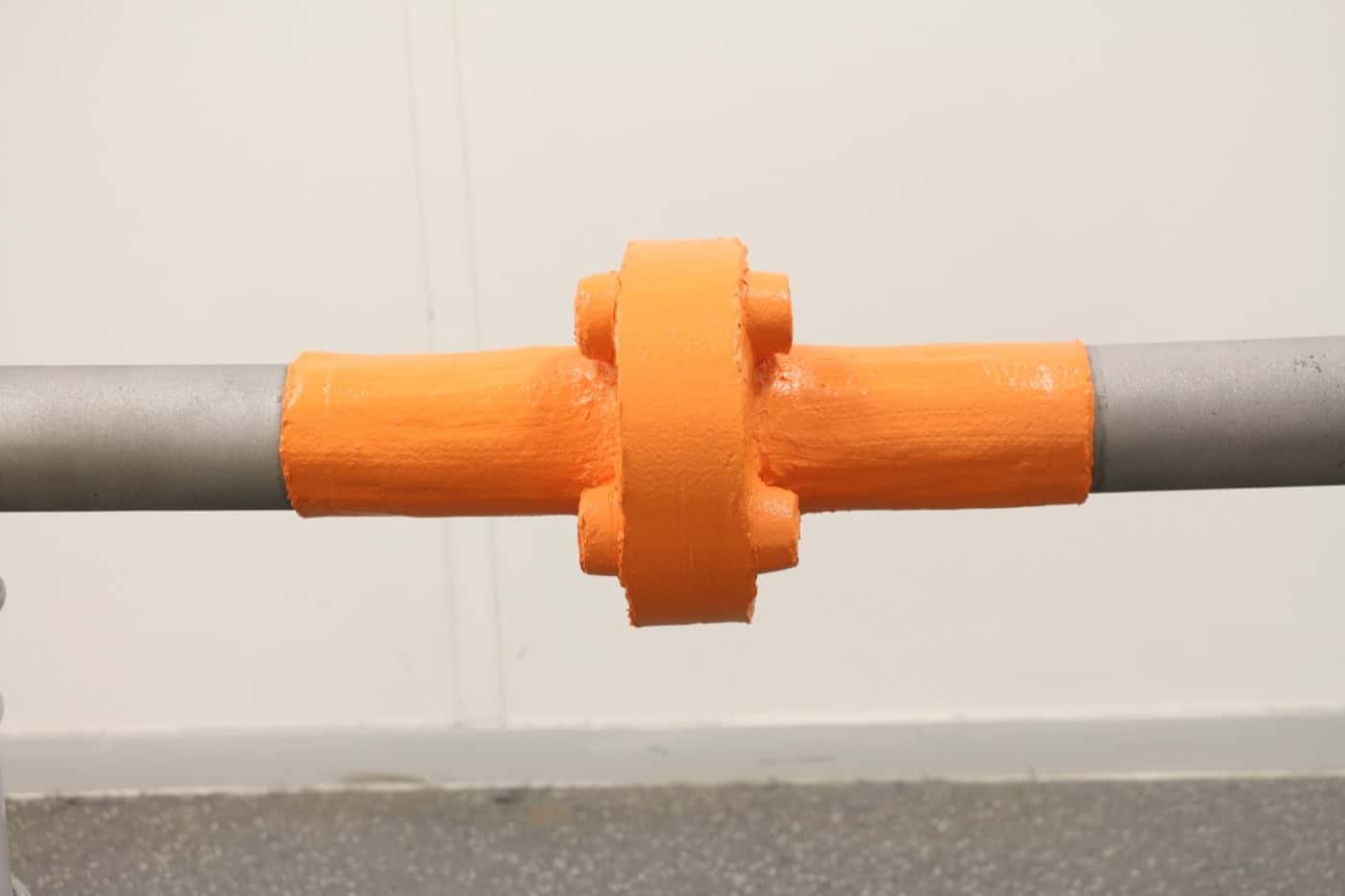
Rubber takes a beating dockside. Impact and abrasion tear fenders, skirting, and molded components. They fail faster than a replacement part can be sourced and shipped offshore. We rebuild torn rubber cold with a high-build elastomer that bonds to the existing part. The fender goes back into service without a replacement order on the books. Corrosion and mechanical damage thin pressurized pipe and vessel walls. We apply an engineered resin-and-fiber composite wrap while the line stays online. The work follows the principles of ISO 24817 and ASME PCC-2. The pipe recovers a design pressure rating without cutting the spool.
Sometimes a leak is already weeping at a header, flange, or tank. The call comes 24 hours a day. We seal it cold while the system stays pressurized, then overwrap for a permanent fix. There is no product evacuation and no hot work over a hydrocarbon. Wet decks and oily walkways are a real fall hazard at sea. We lay down cold-cure anti-slip surfacing on treads, ramps, and platform decking. It reopens to foot traffic the same shift.
What the operator gets back
Every one of these repairs fits a marine schedule and a marine constraint. No hot-work permit on a vessel that cannot go gas-free. No welding distortion on running gear. No waiting on a long-lead replacement part when the asset is already pulled. The crew brings the prep equipment, the shop machining, and the certified application. It all comes from one source on Louisiana.
The outcome is a hull, a pump, a fender, or a line back in service. It returns inside the drydock or turnaround window it was already in. Downtime stays inside the plan. The corrosion clock resets. The operator gets a documented, factory-certified repair instead of a parts order and a second outage.
How AAS approaches it
The failures we see in Marine & Offshore
These are the recurring problems across marine & offshore plants. AAS addresses each in place, on turnaround schedules.
Capabilities used in Marine & Offshore
The repair and protection work AAS performs most across this sector. Each links to the full capability.
Corrosion Protection & Coatings
Long-term barrier and immersion coatings for metal in corrosive, immersed, buried, and splash-zone service.
- Protect metal in immersed, buried, and splash-zone service.
- Coat complex geometries that are hard to protect by other means.
- Extend asset life and defer capital replacement.
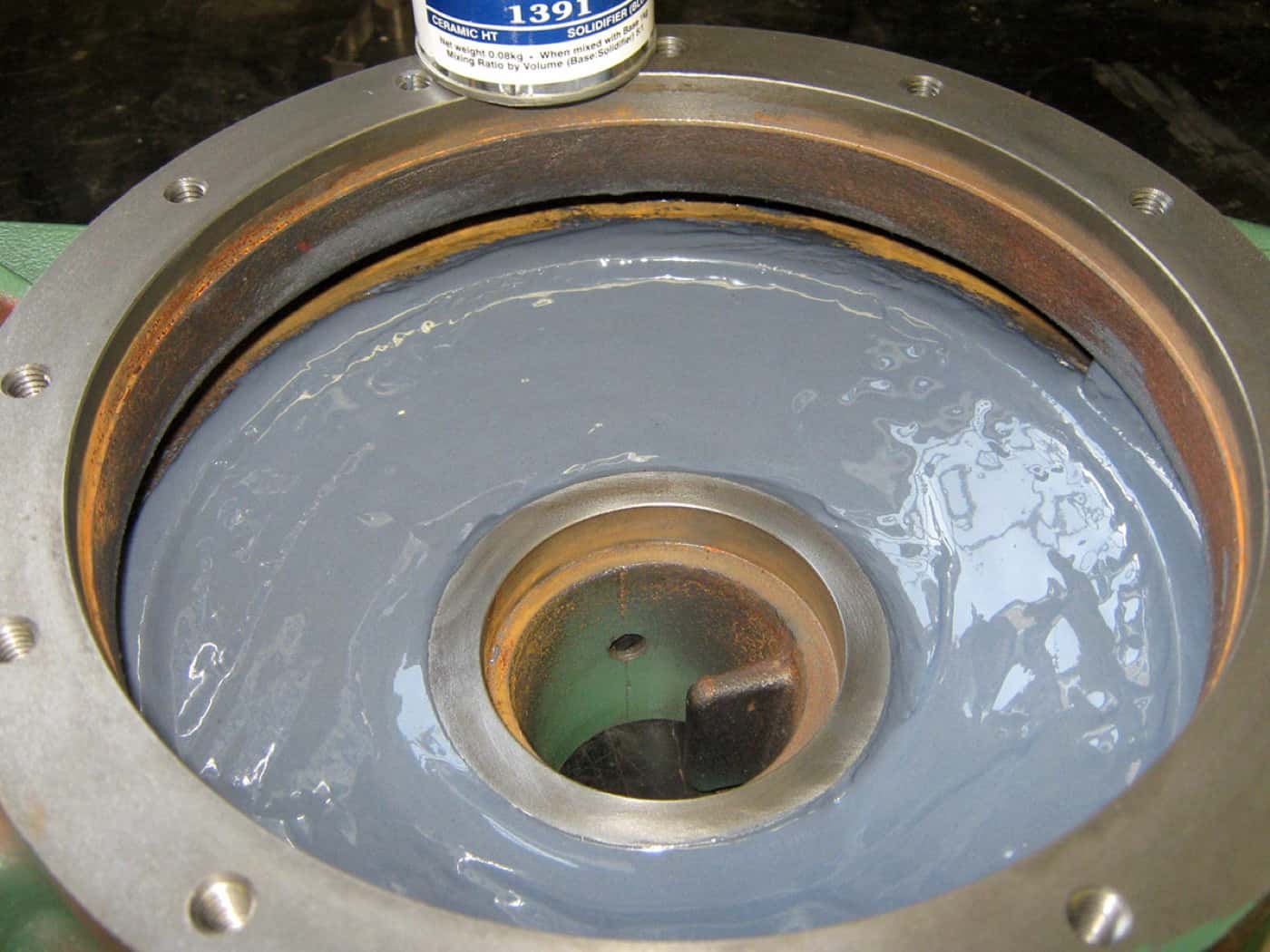
Metal Repair & Rebuilding
Worn, corroded, and damaged metal rebuilt to working dimensions in place, without replacement lead times.
- Rebuild worn and corroded metal in place, without replacement lead times.
- Restore equipment to working tolerances and efficiency.
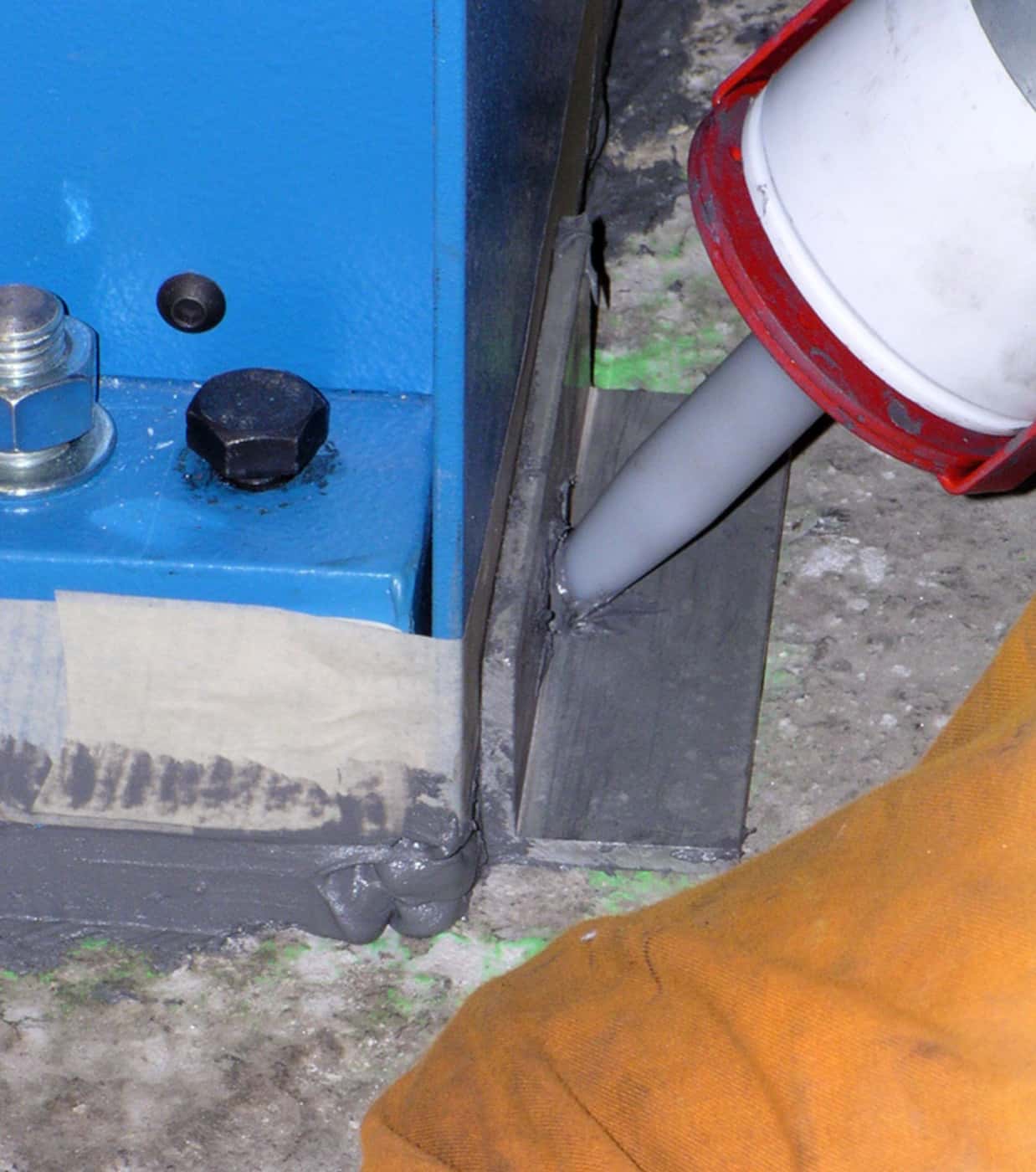
Rubber & Elastomer Repair
Cold-cure repair and recoating of rubber linings, conveyor belts, and rollers, an in-situ alternative to vulcanizing.
- Repair conveyor belts and rubber linings cold, in place.
- Recoat pumps, valves, and tanks with elastomer protection.
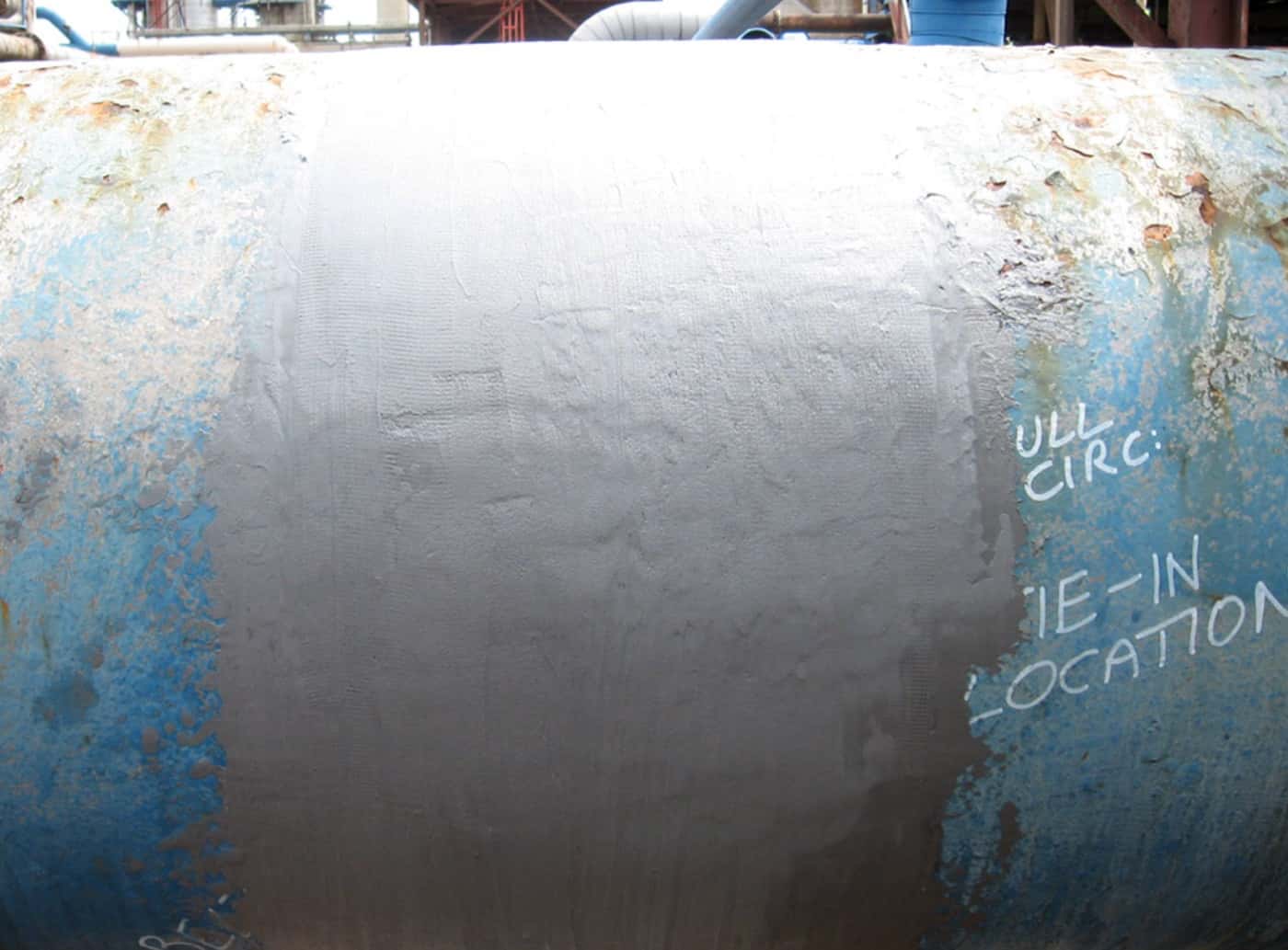
Leak Sealing & Composite Pipe Repair
Live-leak sealing and engineered composite wrap repair of pipe and equipment, in service, without hot work.
- Seal many leaks while the line stays in service.
- Reinforce corroded and holed pipe with engineered composite wraps.
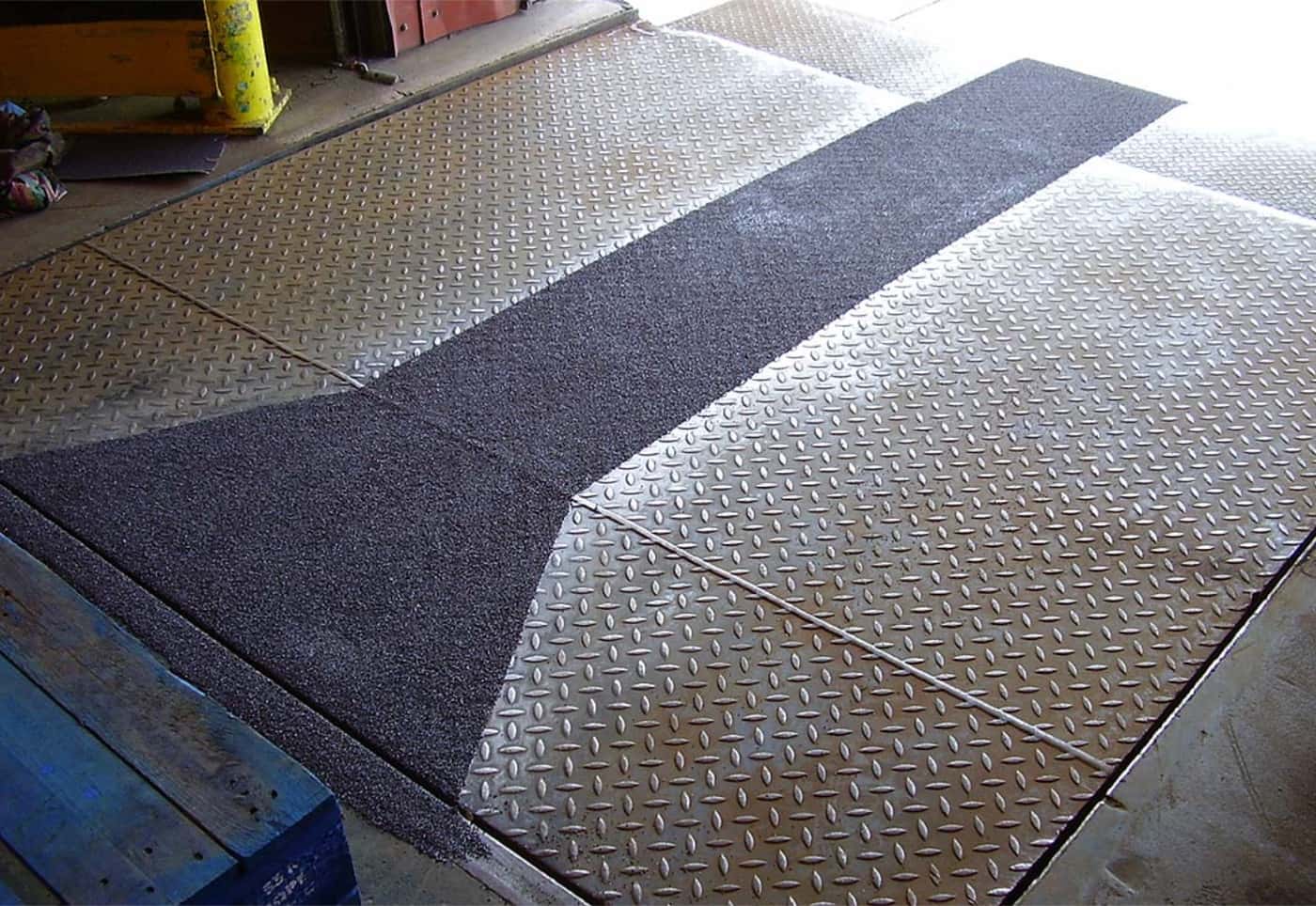
Anti-Slip Safety Flooring
Slip-resistant surfacing for walkways, stairs, platforms, ramps, and vehicle access points.
- Improve footing on walkways, stairs, platforms, and ramps.
- Surface wet and high-traffic areas for safer access.
Work AAS performs here
Collapsing vapor bubbles pit turbine runners, propellers, Kort nozzles, and stern tubes, driving the spongy cavitation damage that thins the steel.
Learn more →Engineered composite pipe wrap repairThrough-wall corrosion, external pitting, and mechanical damage thin pressurized pipes and vessels before a replacement turnaround is scheduled.
Learn more →Heat exchanger, tube sheet and water box repairDissimilar tube metals set up galvanic corrosion at the tube sheet and water box, attacking the steel around each tube end and opening leak paths.
Learn more →Plain bearing, bushing and bearing-housing repairWorn bearing bores, fretted bushing seats and vibration-loosened housings shift the rotating axis and shorten coupling and seal life.
Learn more →Rebar protection in concrete repairExposed reinforcing bar corrodes and expands, cracking surrounding concrete and driving repeat spalling if it is left untreated before a patch.
Learn more →Rubber fender and component repairImpact and abrasion tear dock fenders, skirting, and molded rubber parts faster than replacement parts can be sourced and shipped.
Learn more →Splash-zone, immersed, and underwater corrosion protectionTidal wetting, full immersion, and underwater exposure corrode marine and offshore steel faster than topside surfaces, attacking piles and risers.
Learn more →Structural metal bonding and component castingWelding to join or fabricate metal components introduces heat distortion, and catalog parts rarely match the dimension a worn assembly actually needs.
Learn more →Have equipment that needs to stay in service?
Tell us what is failing. We respond quickly, and we offer 24-hour on-call service.