
Corrosion Protection & Coatings
Long-term barrier and immersion coatings for metal in corrosive, immersed, buried, and splash-zone service.
What Corrosion Protection involves
Corrosion is the slow bill that comes due during your next outage. Pipework thins at the supports and girth welds, tank walls waste behind their coating gaps, structural steel loses its paint at the edges, and handrails rust out at the socket. Left alone, each one crosses an inspection limit and forces a replacement you did not budget for. AAS is the field crew that resets that clock. We are factory-trained and factory-certified Belzona applicators based in Baton Rouge, with years of work on Louisiana units, a safety record built for owner-controlled sites, and round-the-clock on-call coverage. We prepare the steel, apply the right barrier or immersion system for the service, and hand the asset back. Most of this work happens with the line in service and without hot work, so the protection goes on without a permit, a shutdown, or a return trip to the shop.
Pipework, tanks, and the surfaces that waste first
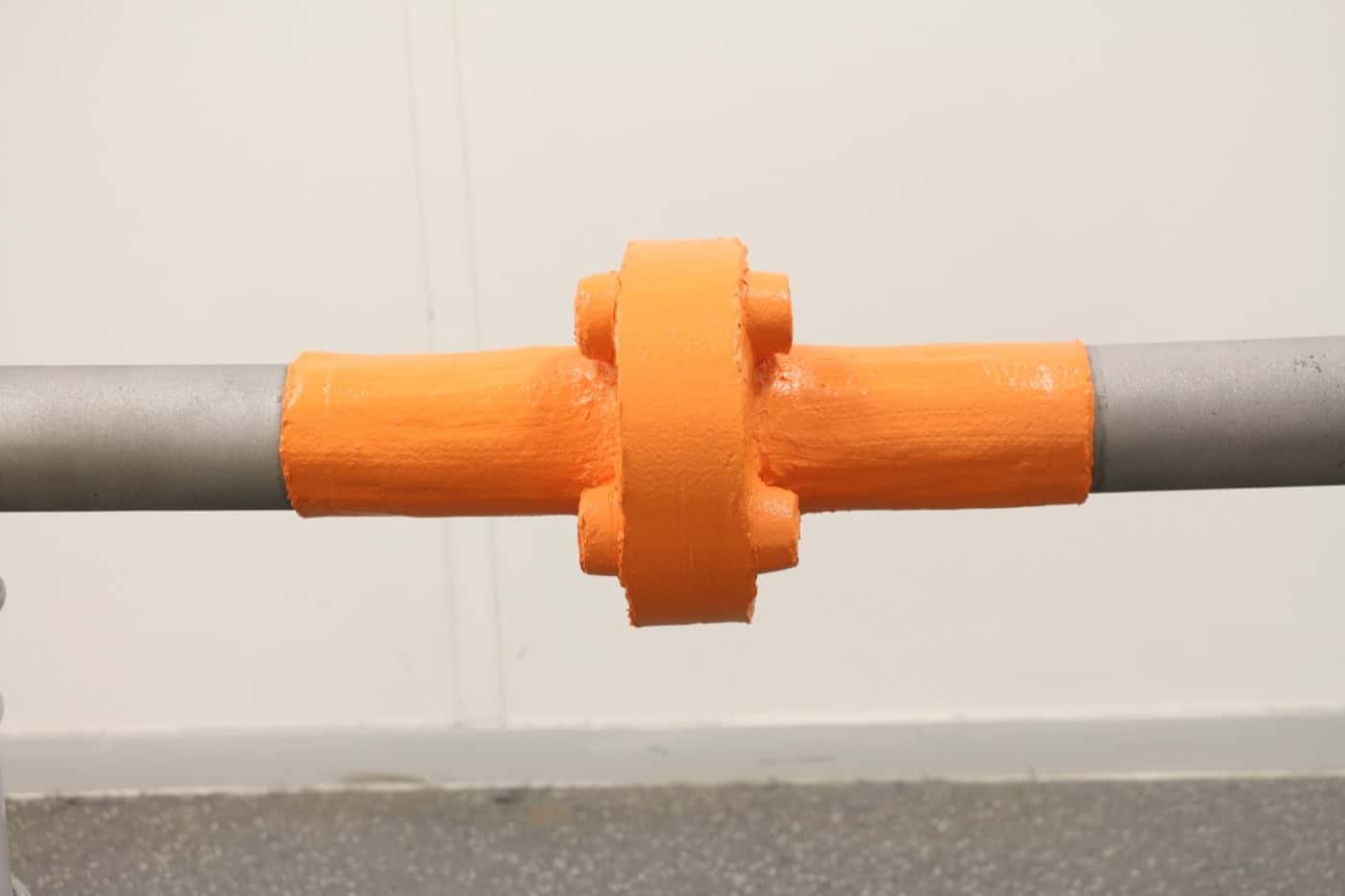
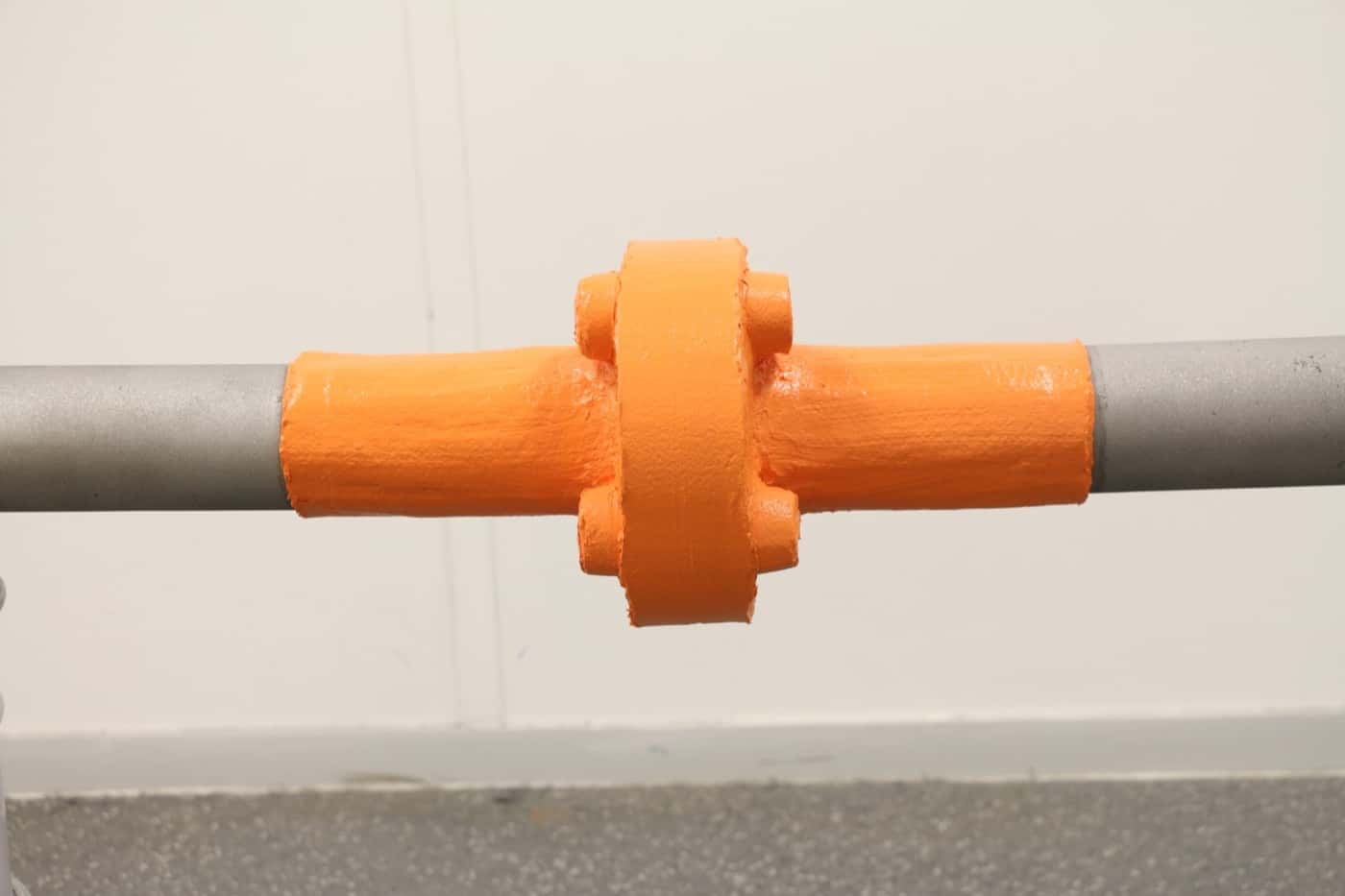
External corrosion does not attack a line evenly. It concentrates at pipe supports, weld seams, valves, fittings, and the spots where the original coating has a gap. Metal loss builds at those points until it reaches the inspection limit and the line gets flagged for replacement. AAS prepares the steel and applies a cold-cure protective coating over the pipe body, girth welds, valves, and tank walls. The facility keeps the line in service through the work, and the corrosion clock resets on a surface that was headed for a tear-out.
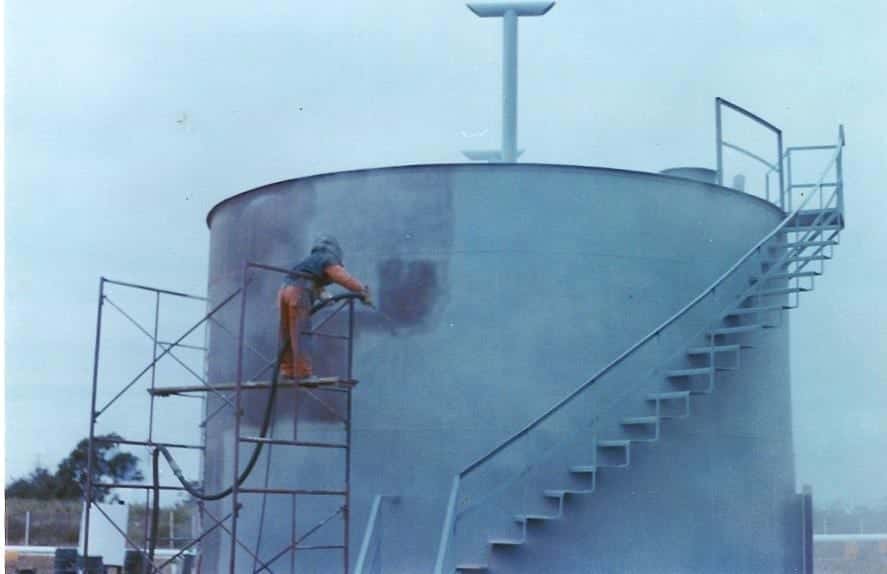
New and exposed machinery faces a quieter version of the same problem. Airborne moisture, salt, and humidity off the river and the Gulf attack equipment before the factory coating finishes a service interval. We coat exposed metal on both new and running equipment with a barrier system rated for atmospheric exposure, so the asset picks up long-term protection in place. HVAC ductwork corrodes from the inside out where condensation pools at low points and joints. We coat metallic and masonry duct surfaces with a room-temperature system that holds up to chemical and bacterial attack, scheduled around your HVAC maintenance with no duct replacement.
Structural steel, handrails, and access safety
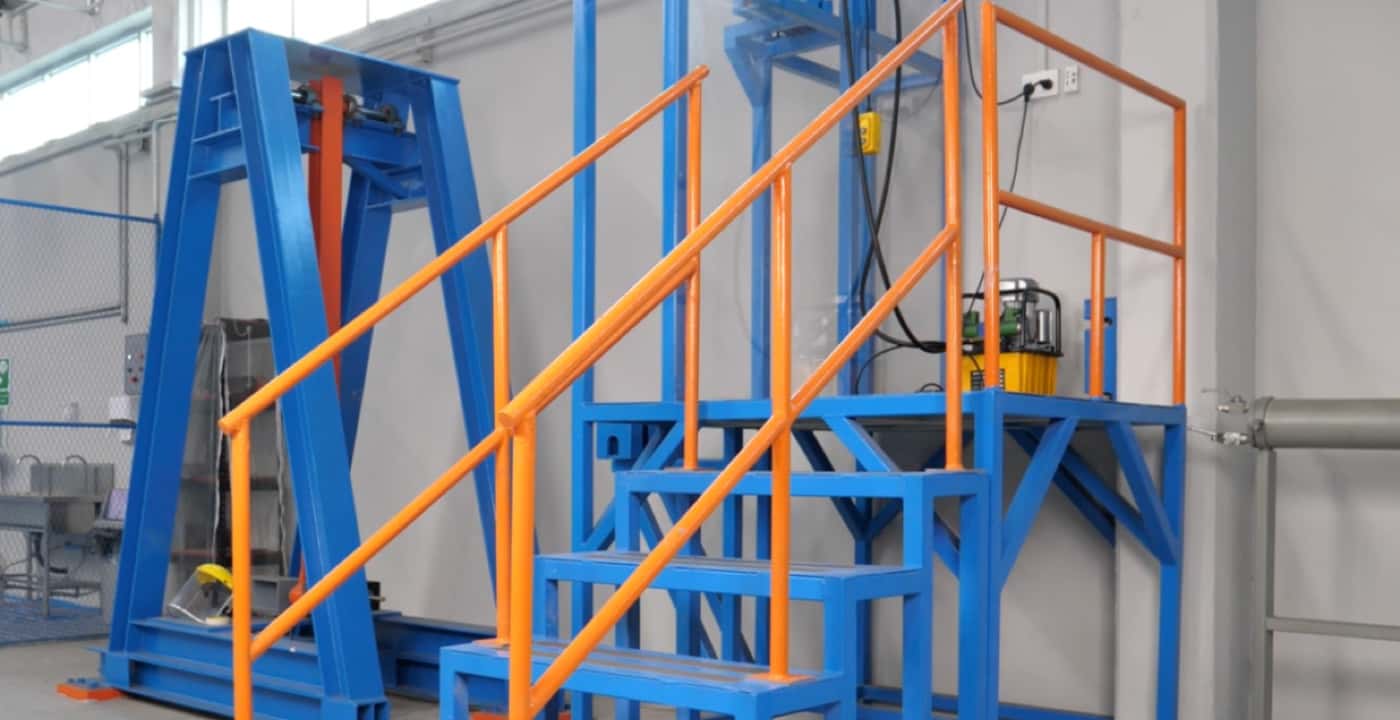
Weather and atmospheric corrosion strip paint or galvanizing from beams, supports, skids, handrails, and electrical structures, starting at the edges and welds where the film is thinnest. Once the steel is bare, the section loses thickness and the recoat interval shrinks every year. AAS blast-cleans the steel and applies a zinc-rich barrier coating to the structure, which stays in service through the application and comes out with a longer interval before the next recoat.
Handrails carry a safety stake on top of the corrosion problem. When an anchor rusts through or a fixture pulls loose, the socket is gone and the rail becomes a fall hazard on stairs, walkways, and platforms. We re-bond the post or fixture with a cold-cure structural adhesive and re-set the foot into a sound socket. The rail goes back into service with no hot-work permit and no post replacement, which keeps a welder and a fire watch off an elevated walkway.
Splash-zone, immersed, and underwater steel
Marine and offshore steel corrodes faster than anything topside. Tidal wetting, full immersion, and submerged exposure attack piles, risers, and structural members through the whole wetting cycle, and you cannot dry the surface before you protect it. AAS applies surface-tolerant coatings to wet, splash-zone, and underwater steel without taking the substrate dry. The structure stays protected through immersion, which is the exposure that retires this steel first.
This is field work in the conditions the asset actually lives in, not a shop process that assumes a clean dry surface. Louisiana refiners, petrochemical producers, and marine operators use it to hold the line on docks, intakes, and offshore structures between dry-dock windows, so the protection schedule follows the unit instead of forcing it out of service.
What the facility gets back
The outcome is asset life, not chemistry. A pipe headed for replacement keeps running. A wasting tank wall, a corroding duct, a bare structural member, and a rusted-out handrail anchor each get years of added service from a coating that goes on in place. Capital replacement gets deferred, and the corrosion clock starts over on the surface that was failing.
Most of this work runs with the unit online and without hot work, so there is no isolation, no fire watch, and no permit chasing a small corrosion fix. When an outage is the only window, we work inside it and hand the asset back ready to commission. Where a recognized standard applies, we work to it by name, and our certification as factory-trained Belzona applicators backs the system we put on your steel. The unit goes back in service protected, and you keep the downtime you would have spent replacing it.
Identify, engineer, and provide the fix
AAS works cold-applied: no hot work and no hot-work permits to remove or install. Most repairs happen in service or on a planned turnaround, without the permitting burden and downtime that hot work brings.
Identify
We are on call 24 hours and work with your engineering team to identify the problem and what is driving it.
Engineer the solution
We develop the repair, both engineered and non-engineered solutions, matched to the conditions the asset actually sees.
Provide products and services
We deliver what it takes to solve it: factory-trained, NACE-certified applicator support and turnkey services as requested, in-house, in the field, and in a controlled shop environment through Advanced Applications Specialists.
Applications in Corrosion Protection
Atmospheric corrosion protection
Airborne moisture, salts, and humidity corrode exposed equipment and new machinery before the original coating lasts a full service interval.
External pipework and tank corrosion protection
External corrosion attacks pipework, valves, fittings, and tank walls at supports, weld seams, and coating gaps until metal loss hits inspection limits.
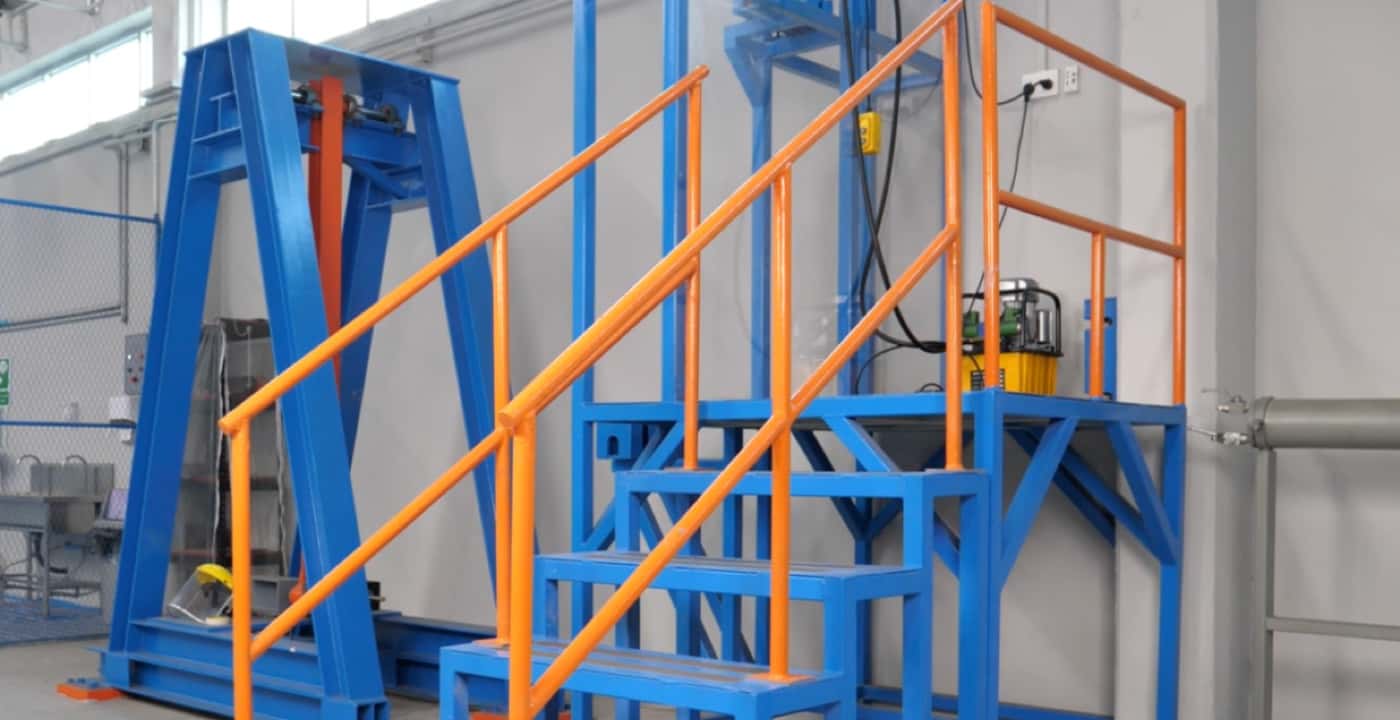
Handrail anchor and fixture re-bonding
Corroded or pulled-out handrail anchors and loose fixtures create fall hazards on stairs, walkways, and platforms where the socket has rusted out.
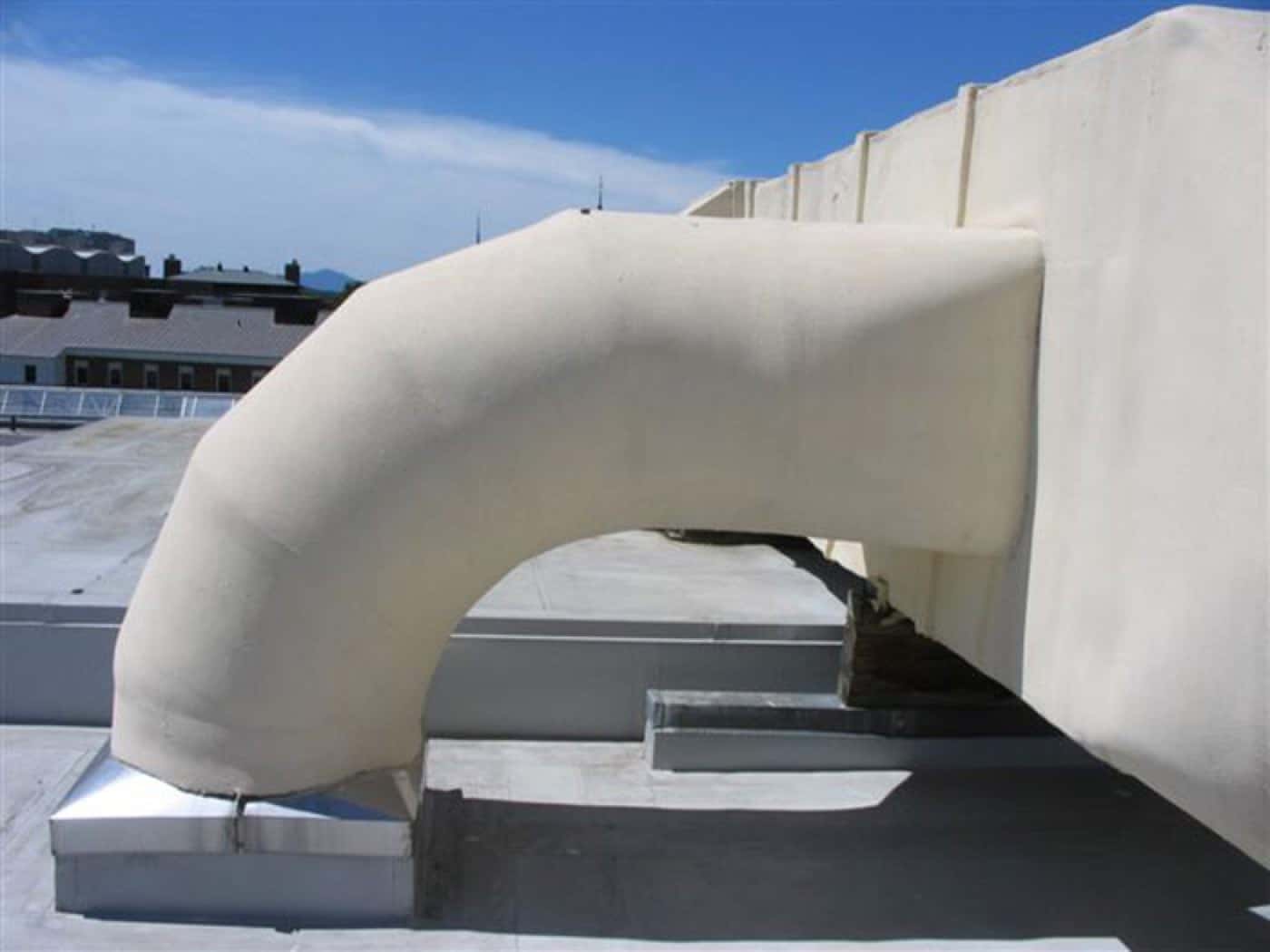
HVAC duct and surface corrosion protection
Condensation pools at duct low points and joints, corroding HVAC ductwork from the inside out before the original coating lasts a building life cycle.
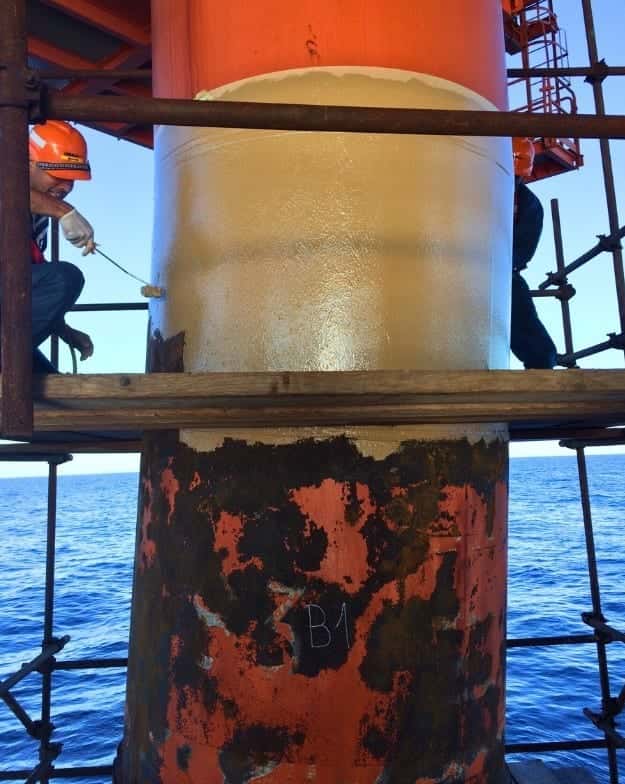
Splash-zone, immersed, and underwater corrosion protection
Tidal wetting, full immersion, and underwater exposure corrode marine and offshore steel faster than topside surfaces, attacking piles and risers.
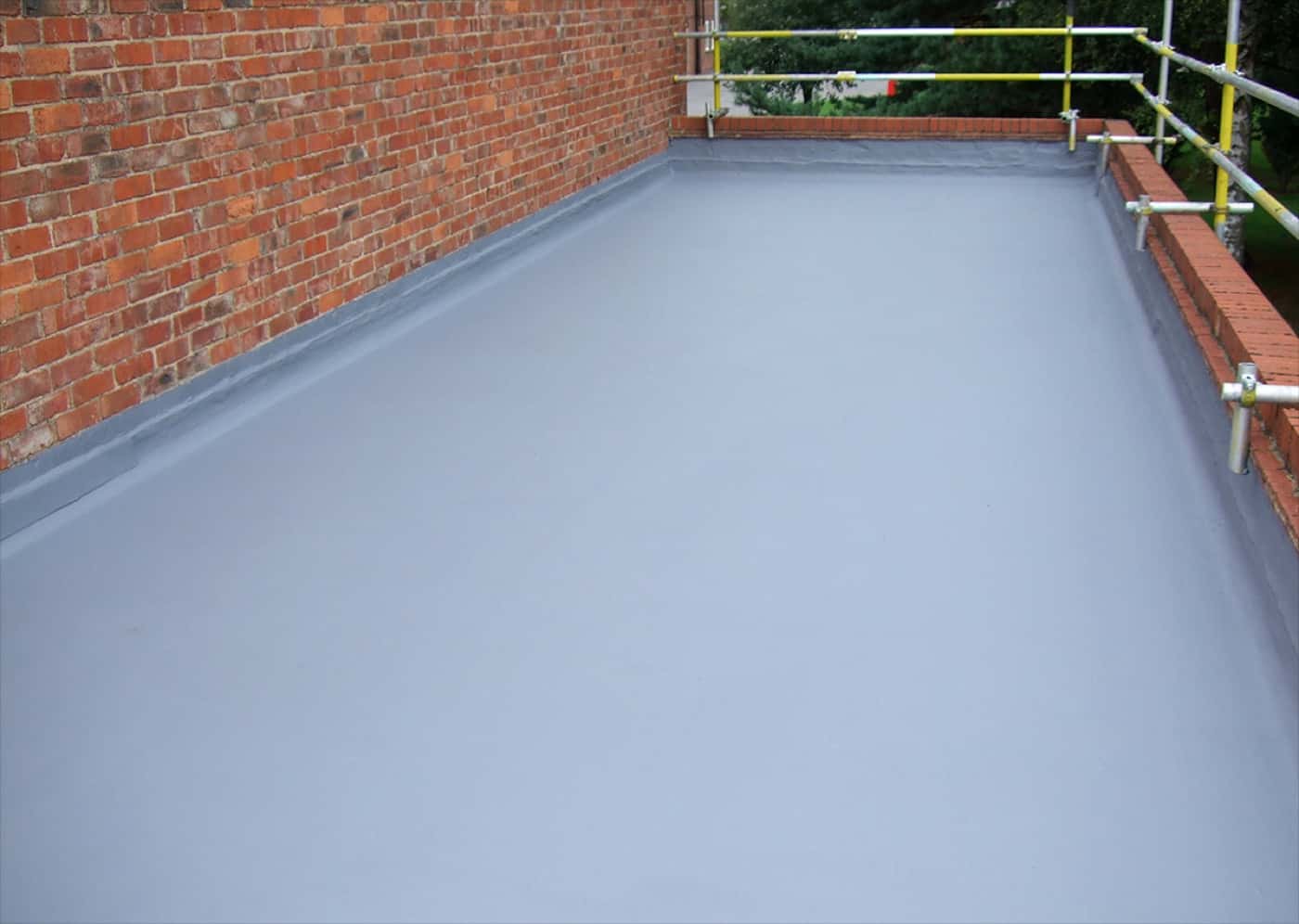
Structural steel and handrail corrosion protection
Weather, condensation, and atmospheric corrosion strip paint or galvanizing from structural steel, handrails, supports, and skids at edges and welds.
Typically applied with 1000 Series, 5000 Series, CUI systems Belzona systems, matched to the service conditions.
What this does for your facility
Industries where this is commonly used
Related capabilities
Have equipment that needs to stay in service?
Tell us what is failing. We respond quickly, and we offer 24-hour on-call service.