
Condenser Tube Sheet Galvanic Protection
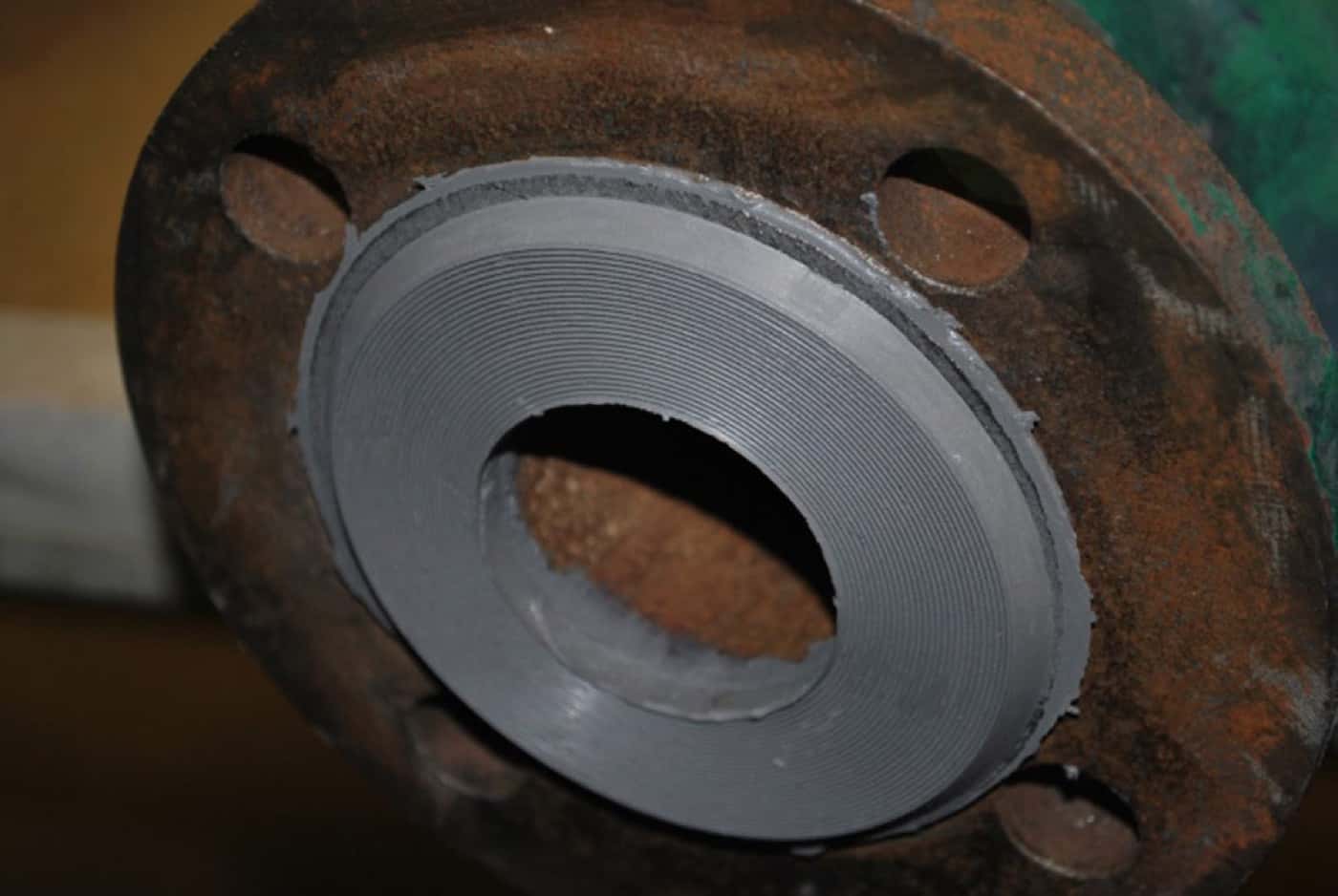
Eroded tube ends rebuilt and the tube sheet face coated to separate the dissimilar metals from the cooling water and stop galvanic attack.
What was failing
A turbine condenser puts a tube sheet and a bank of tubes of a different metal in constant contact with cooling water, and that joint of dissimilar metals sets up galvanic attack. The corrosion concentrates at the tube ends and across the tube sheet face, and the cooling water adds an erosive scour on top of it. Metal is lost where the tubes meet the sheet, the inlet ends start to thin and recess, and the seal at the tube-to-tubesheet joint is put at risk. Left unchecked, the loss spreads, leaks develop between the water and steam sides, and the condenser is pulled for an unplanned repair that takes a unit off the grid.
How AAS approaches it
We isolate the water box and get to the tube sheet face, then blast it back to clean, sound metal so the repair has something to bond to. We rebuild the eroded and recessed metal around the tube ends with Belzona 1000 Series composites, bringing the face back to profile without any hot work near the tubes. Once the face is rebuilt, we apply a Belzona 5000 Series barrier coating across the tube sheet and into the tube ends to put a continuous, non-conductive layer between the two dissimilar metals and the cooling water. That barrier is what breaks the galvanic couple, so the attack that started the whole problem has nothing to act on.
Assess and map
We open the water box, inspect the tube sheet and tube ends, and map where galvanic and erosive attack have taken the metal so the repair is scoped correctly.
Surface preparation
We abrasive blast the tube sheet face to a clean, anchored profile and clear corrosion product from around the tube ends.
Rebuild the tube ends
We rebuild the eroded and recessed metal at the tube ends and across the face with 1000 Series composites, working cold with no hot work near the tubes.
Coat and isolate the metals
We apply a 5000 Series barrier coating over the rebuilt face and into the tube ends to separate the dissimilar metals from the cooling water and break the galvanic couple.
Cure and return to service
We confirm cure and coating continuity, then hand the condenser back for the water box to be closed up and the unit returned to service.
The result
From the job
Repair and protection work of this kind, performed by AAS crews across Louisiana.
Capabilities used here
Where this work happens
Other projects
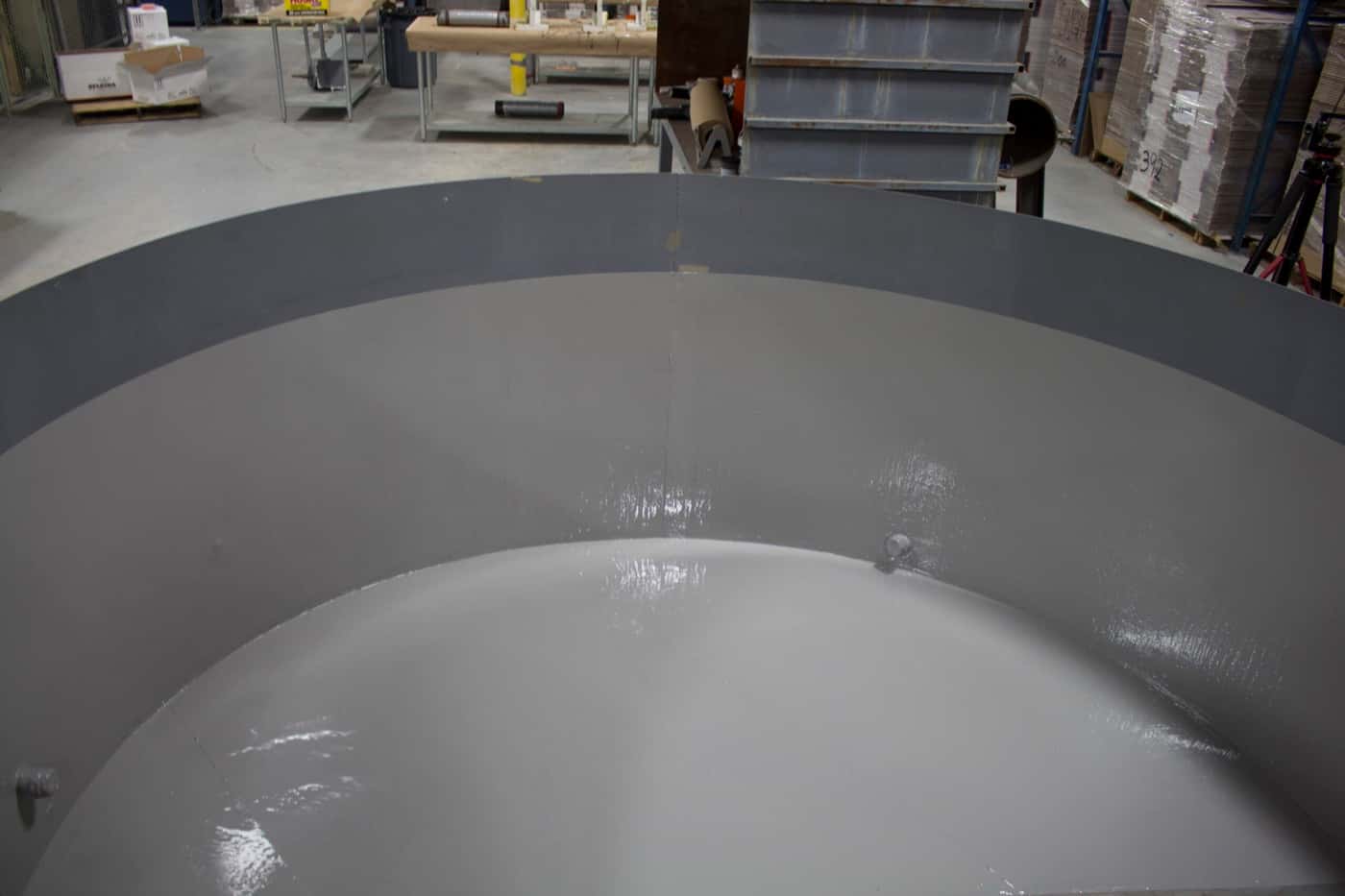
Storage Tank Floor Reclamation
Corroded aboveground tank floor rebuilt and lined back to immersion service without cutting out plate.
View project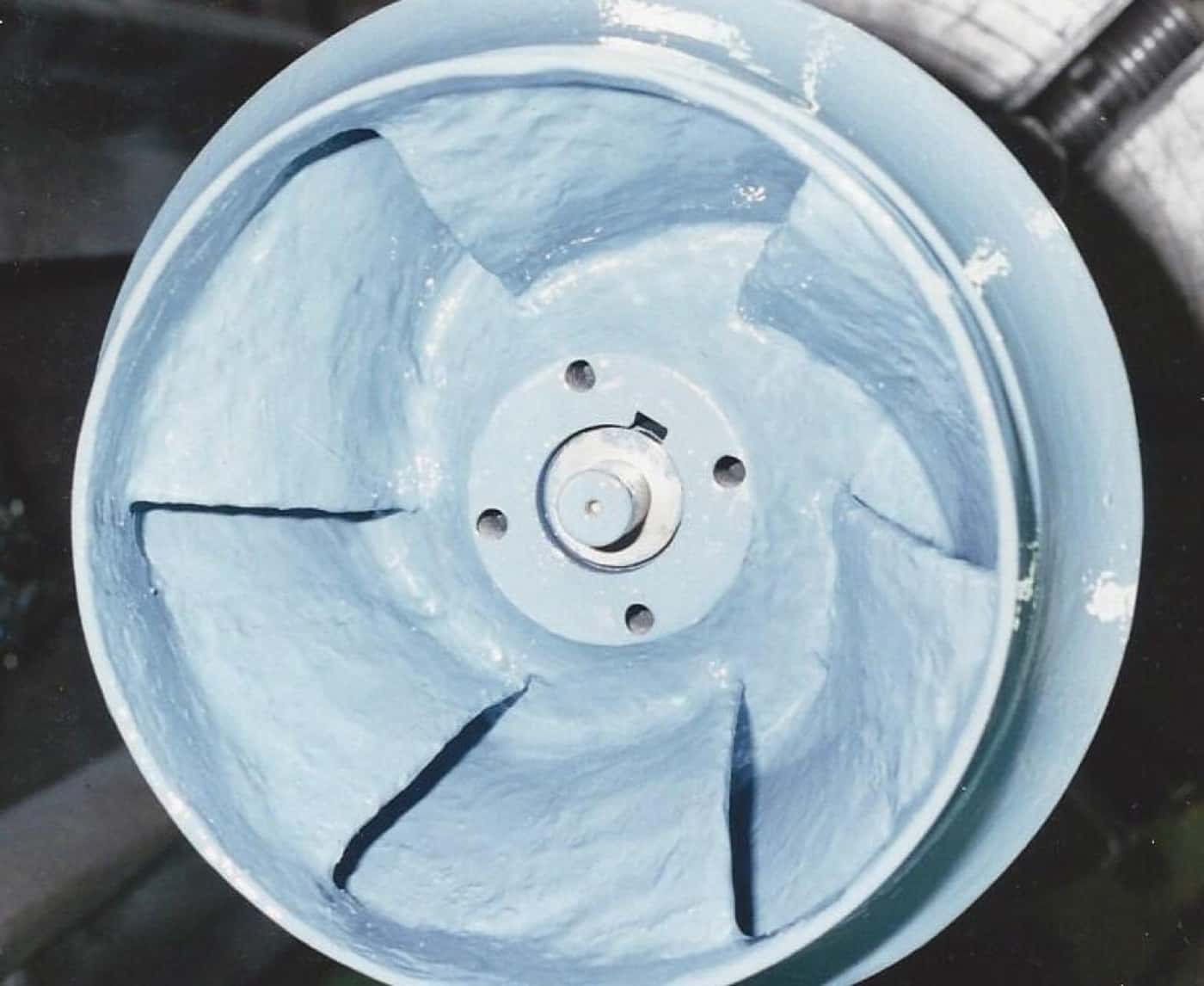
Centrifugal Pump Rebuild & Efficiency Restoration
Cold-rebuilding an eroded pump casing and lining it to restore clearances, no new casting required.
View project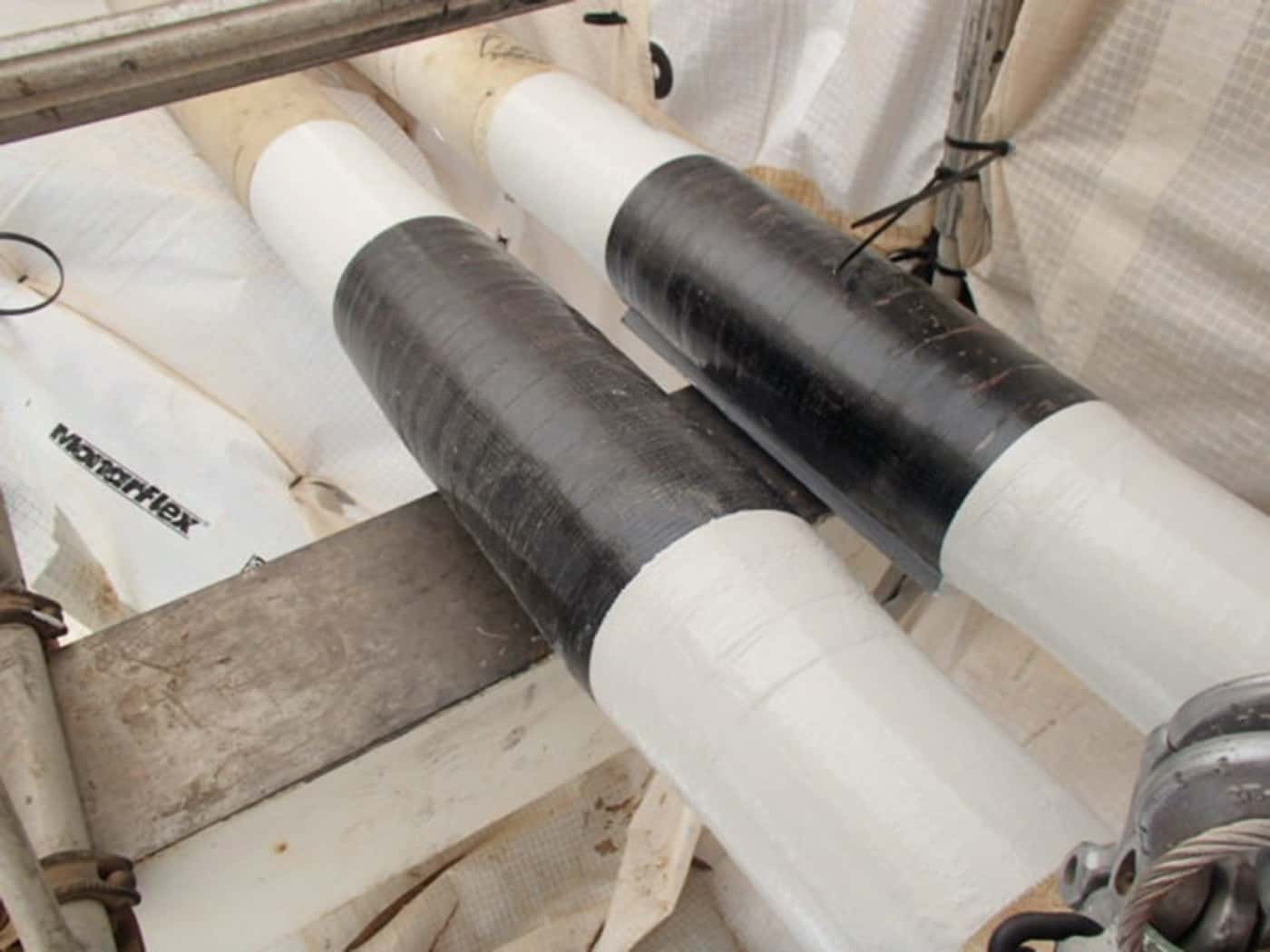
Live Pipe Leak Seal & Composite Wrap
Live leak sealed and a degraded process line reinforced with an engineered composite wrap, no welding and often no shutdown.
View project
Wastewater Clarifier & Concrete Structure Relining
Spalled, rebar-exposed concrete clarifier rebuilt and relined for continued immersion service.
View project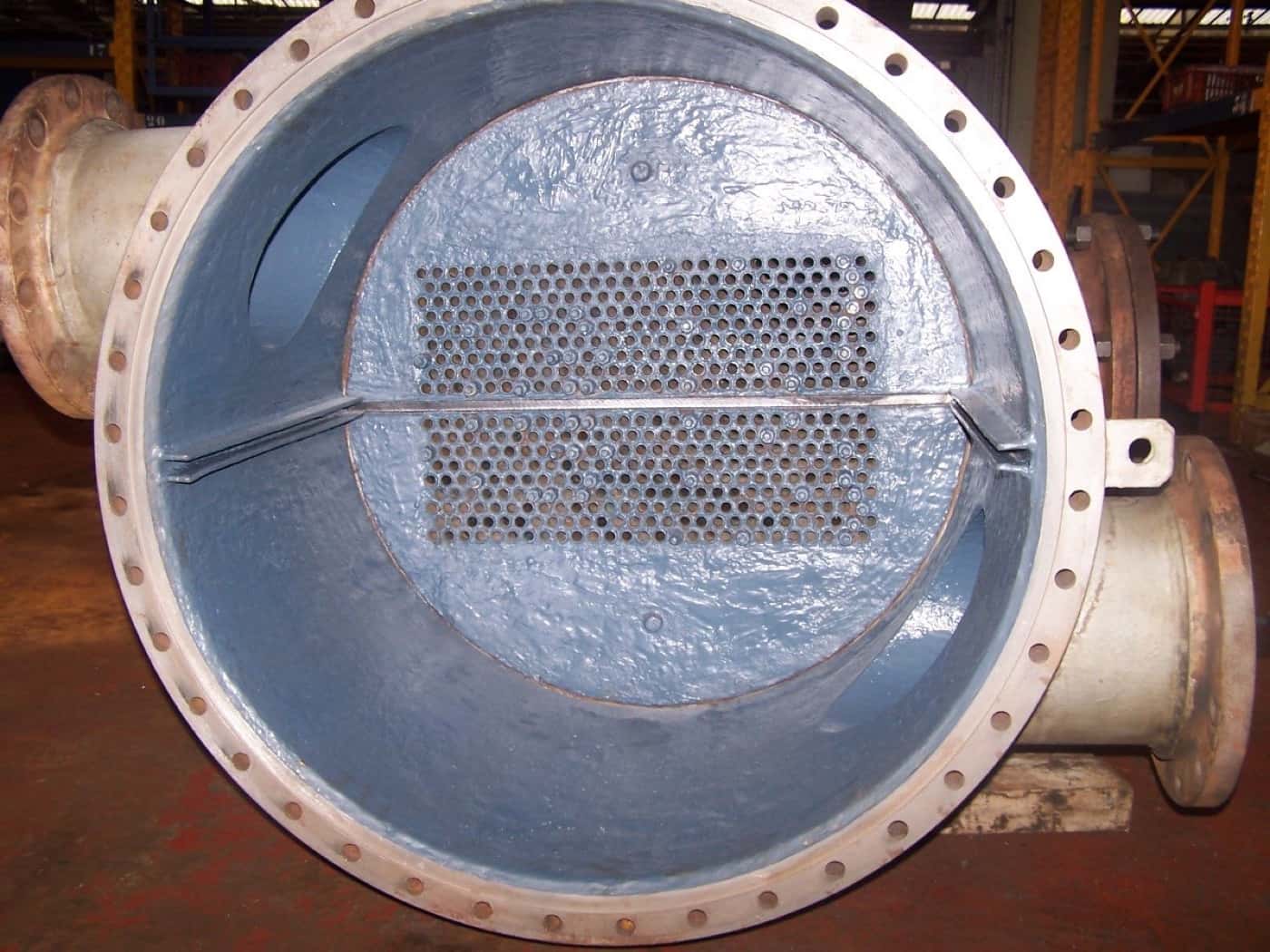
Heat Exchanger Water Box Protection
Blasting, metal rebuild, and a barrier coating restore a corroded exchanger water box and tube sheet in cooling-water service.
View projectHave equipment that needs to stay in service?
Tell us what is failing. We respond quickly, and we offer 24-hour on-call service.