Power Generation Coating & Repair Services
Rebuilding and protecting turbines, fans, pumps, and hot equipment against erosion, corrosion, and wear.
AAS in Power Generation
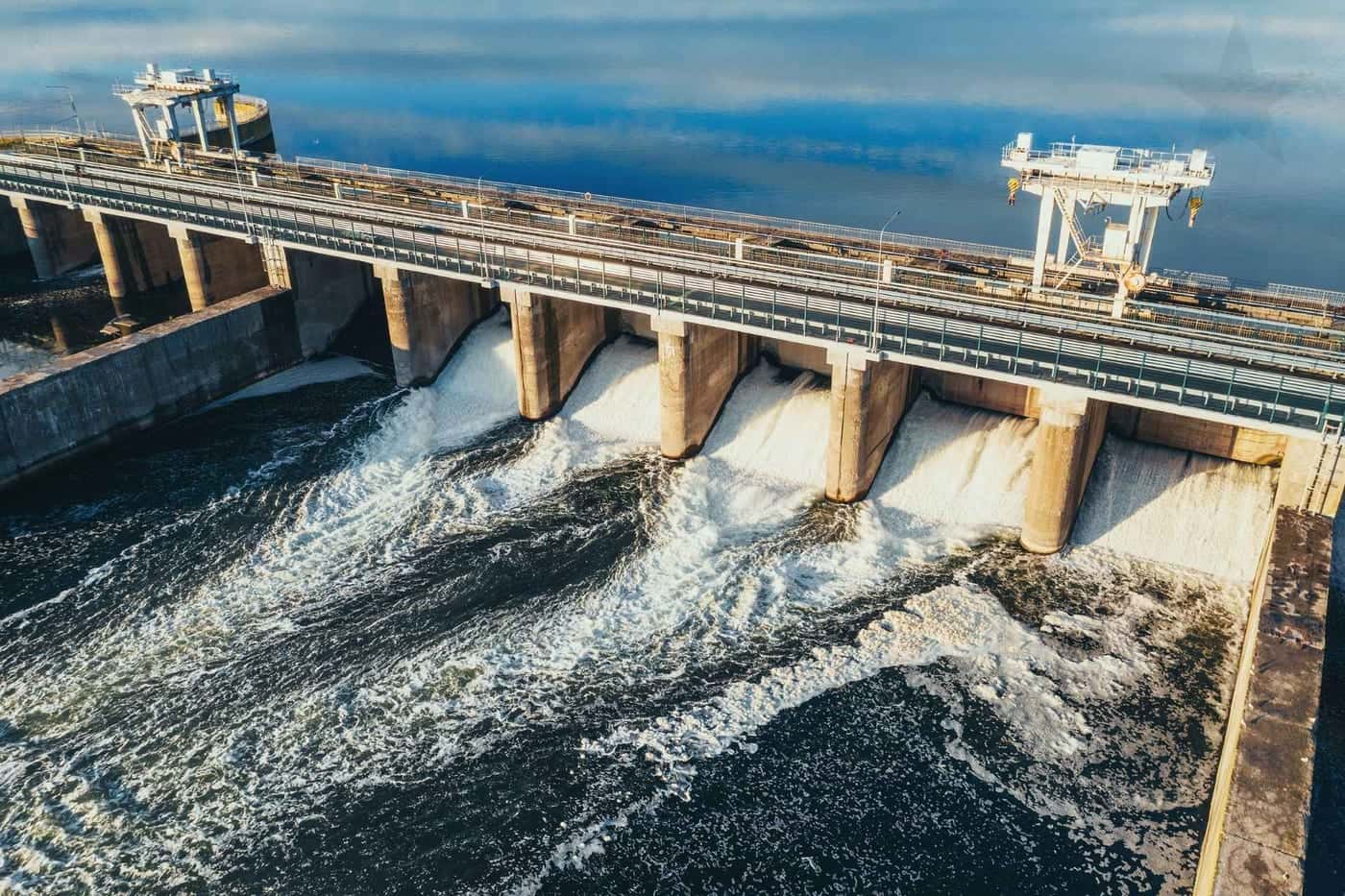
Power plants do not get long windows. A turbine outage, a forced derate, or a boiler-feed pump pulled for cavitation all carry the same pressure. Get the unit back on the grid. The failures this sector fights are predictable. Fan blades and pump internals erode and pull off their design curve. Hot pipework corrodes under wet insulation where no one can see it. Machinery bases lose contact and drift out of alignment. Condenser and exchanger surfaces corrode at the tube joints. Advanced Applications Specialists works these repairs in place, on the turnaround schedule the plant already set. Our crews are factory-trained and factory-certified Belzona applicators with decades in the field and a strong safety record. We carry a 24-hour on-call line for the failures that do not wait. Most of what follows is cold-applied. There is no hot-work permit, no fire watch on a hot deck, and no heat distortion on machined parts. The repair recommissions inside the outage rather than the OEM lead time.
Rotating equipment: fans, pumps, and turbines
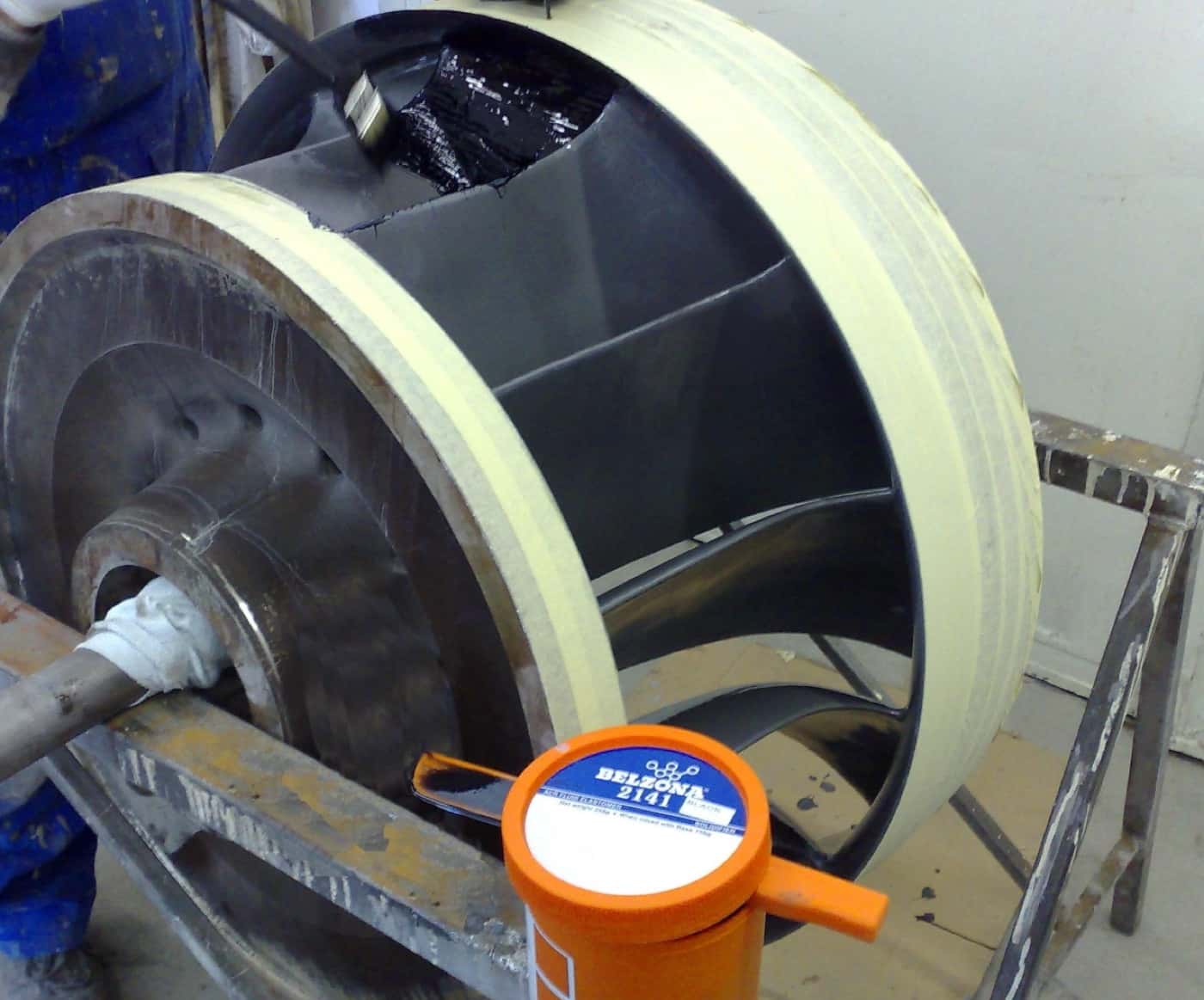
Flow-induced metal loss is the recurring story on rotating gear. Particle-laden gas erodes ID fan blade leading edges, tips, and deflectors. Airflow drops and the rotor falls out of balance over a single campaign. Erosion-corrosion and cavitation reshape boiler-feed and cooling-water pump impellers, pulling the unit off its head curve. Cavitation pits turbine runners with the spongy damage that thins the steel.
AAS rebuilds the worn geometry cold and overcoats it with an erosion-resistant ceramic-filled layer that restores the original profile. There is no heat stress on a blade root and no rebalancing for weld heat. On cavitation-prone runners we line the surface with a cold-applied elastomer that absorbs the implosion energy. We also rebuild worn shafts, journals, and keyways and machine them back to the specified diameter. A slender rotor goes back in without arc-weld distortion. The unit recommissions on its design curve during the same outage.
Hot pipework, vessels, and insulated lines
Corrosion under insulation is the failure that hides until a hot line leaks. Wet lagging traps moisture against the pipe wall, and inspectors only find the metal loss once it is severe. The plant cannot cool or drain a header to fix it. Conventional linings that need an ambient, dry substrate never get applied.
AAS brushes a barrier coating onto the hot surface under the insulation while the line stays in service, protecting the steel across the CUI temperature band. Where cladding leaks at seams, support legs, and penetrations, we seal it with a reinforced membrane so water never reaches the steel again. For hot vessels and pipework that run above ambient, we apply high-temperature linings that cure on the operating surface, and we coat the exterior in place so the asset keeps running. Live leaks at headers and weld seams get sealed cold under pressure, then overwrapped for a permanent fix, with no product evacuation and no fire watch.
Condensers, exchangers, and water boxes
Cooling-water service is where galvanic corrosion does its work. Dissimilar tube metals set up an electrical cell at the tube sheet and water box. The steel around every tube end corrodes and leak paths open. Plugged tubes and a thinning sheet drop heat-transfer efficiency, which shows up as lost megawatts on a hot day.
AAS rebuilds the tube sheet and water box with ceramic-filled epoxies and electrically isolates the dissimilar-metal joint, breaking the galvanic cycle. There is no hot work near the bundle. The work fits inside the turnaround window, and the unit returns to service in days rather than waiting on a replacement water box. We protect valve bodies, condensate tanks, and extraction pumps on the same scope. We rebuild eroded cavities and overcoat them so the next inspection finds sound metal.
Machinery foundations and the outcome
Vibration and misalignment trace back to what is under the feet. Voids, distortion, and gaps below pump bases and machine feet feed movement straight back into the rotating equipment. Steel shims leave point contact that lets the unit drift under load and thermal cycling. AAS pours a cold-cure chocking compound that beds the base across its full contact area and transfers load evenly. Where precise alignment matters, we form load-bearing shims, including insulating shims, that match the actual mating surface. Equipment holds alignment without machining the foundation.
The outcome the plant cares about is simple. The fan, pump, exchanger, or base goes back to service inside the outage that was already scheduled, on its design performance, with no welding heat and no OEM lead time. AAS serves power generators across Louisiana from a climate-controlled shop, with crews staged for turnarounds and a 24-hour line for the failures that force a derate. Recognized repair codes such as ISO 24817 and ASME PCC-2 frame the composite work where engineered pipe and vessel repairs apply.
How AAS approaches it
The failures we see in Power Generation
These are the recurring problems across power generation plants. AAS addresses each in place, on turnaround schedules.
Capabilities used in Power Generation
The repair and protection work AAS performs most across this sector. Each links to the full capability.
Metal Repair & Rebuilding
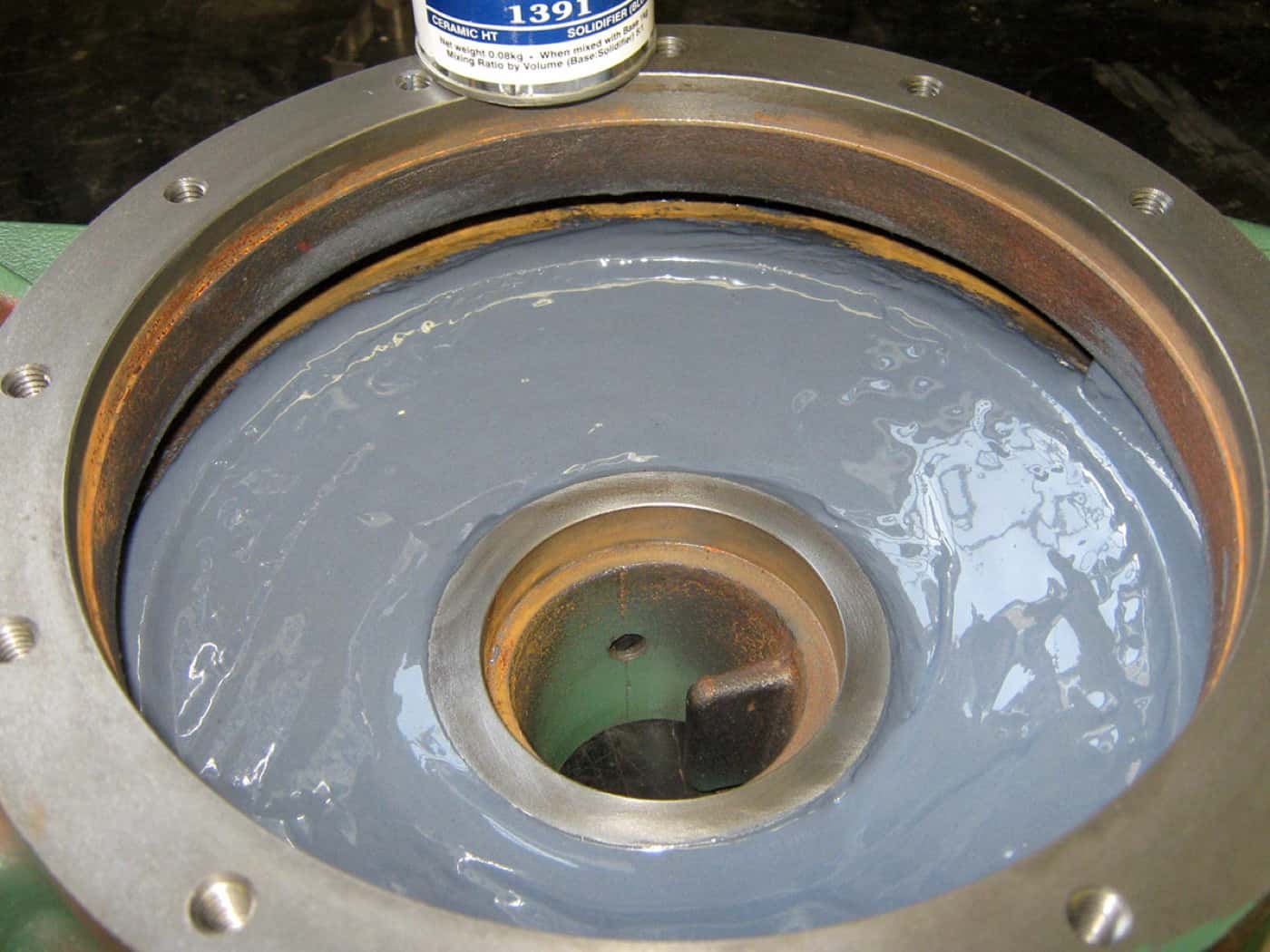
Worn, corroded, and damaged metal rebuilt to working dimensions in place, without replacement lead times.
- Rebuild worn and corroded metal in place, without replacement lead times.
- Restore equipment to working tolerances and efficiency.
- Cold-cure repairs avoid hot work and the permits that come with it.
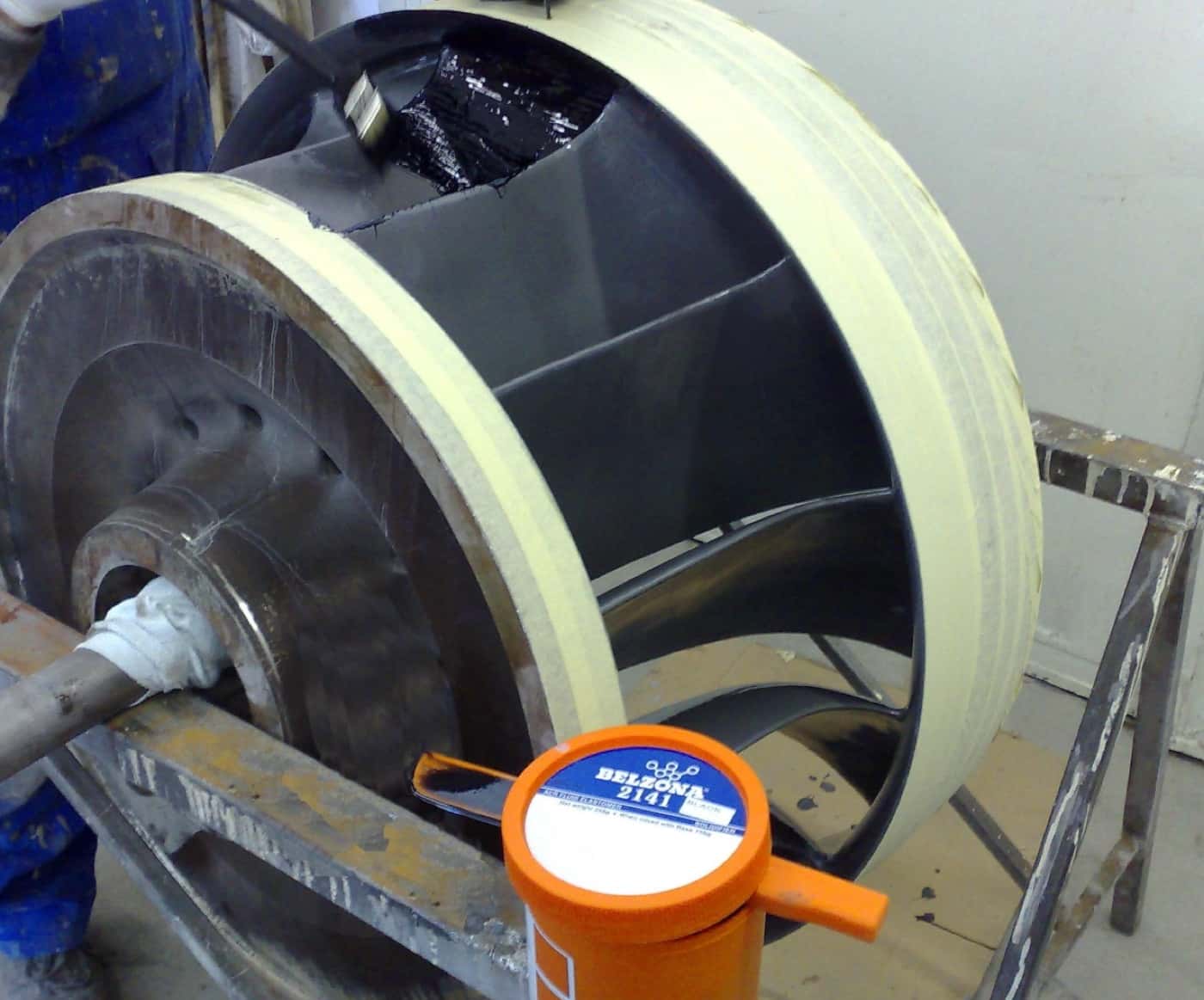
Erosion & Abrasion-Resistant Linings
Surfaces protected against high-velocity particulate, slurry, and impact wear so equipment lasts longer between rebuilds.
- Resist high-velocity particulate, slurry, and impact wear.
- Extend the service interval on chutes, hoppers, and transfer points.
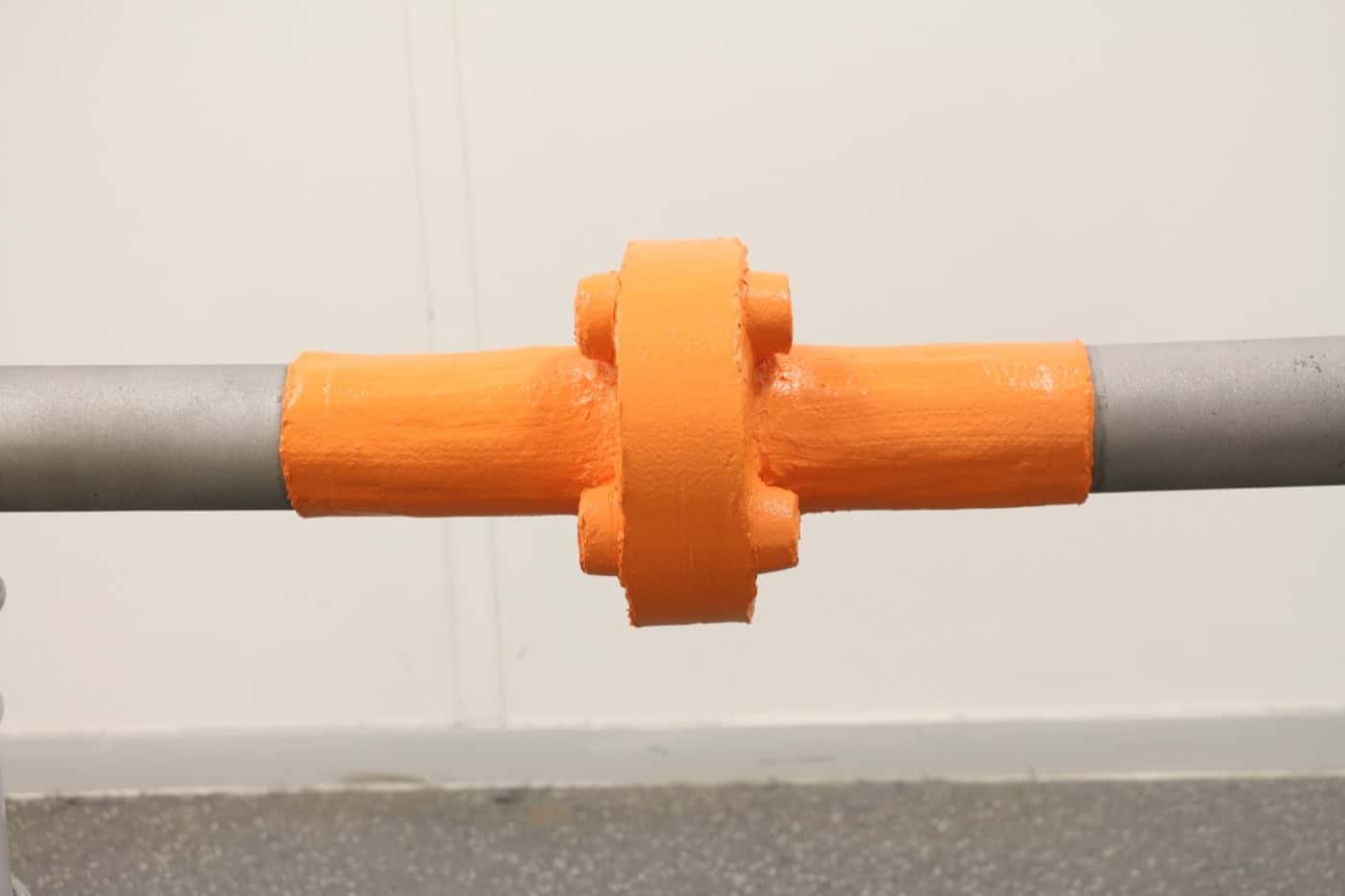
Corrosion Protection & Coatings
Long-term barrier and immersion coatings for metal in corrosive, immersed, buried, and splash-zone service.
- Protect metal in immersed, buried, and splash-zone service.
- Coat complex geometries that are hard to protect by other means.
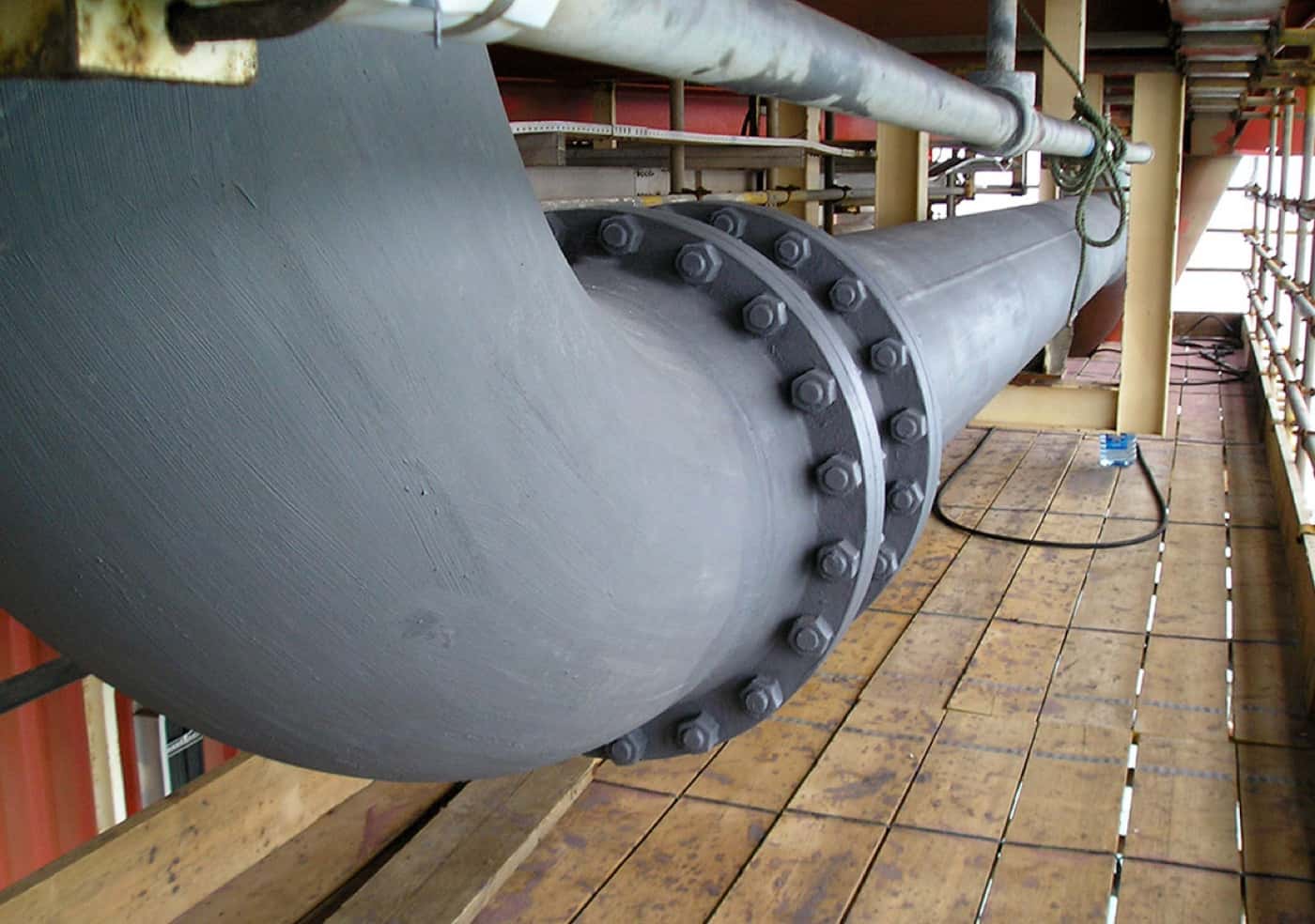
High-Temperature Coatings
In-situ external protection of hot pipework and equipment, including corrosion under insulation mitigation.
- Coat hot pipework and equipment while it stays in service.
- Mitigate corrosion under insulation on heated lines.
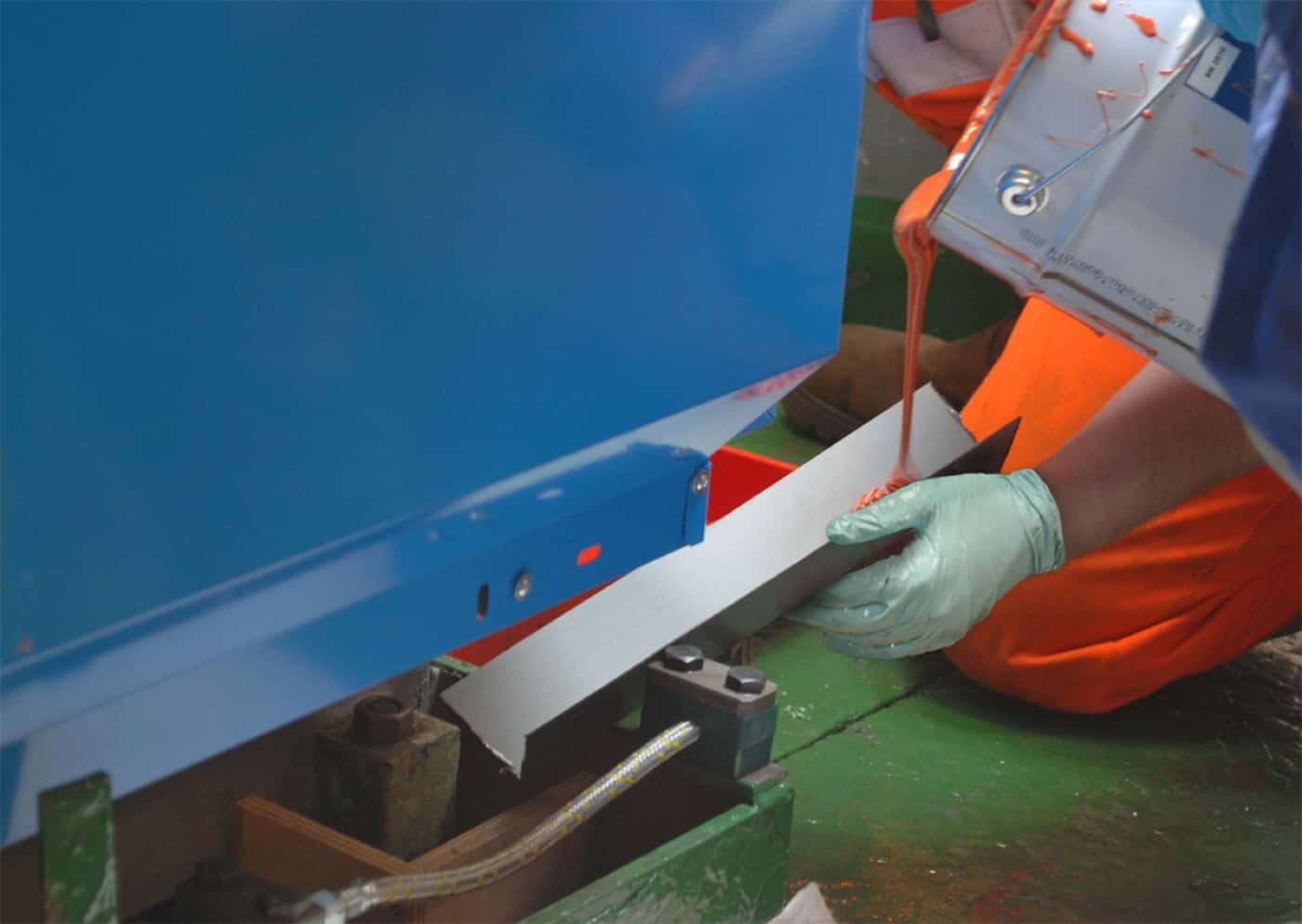
Chocking, Grouting & Alignment
Precision machinery chocking, baseplate grouting, soleplate setting, and load-bearing shims for rotating and reciprocating equipment.
- Set machine bases and baseplates into full, even contact.
- Grout skids and soleplates for stable, aligned equipment.
Work AAS performs here
Sliding and impact wear strips rubber linings off chutes, hoppers, and slurry equipment, exposing bare steel to fast metal loss.
Learn more →Anti-cavitation and turbine coatingsCollapsing vapor bubbles pit turbine runners, propellers, Kort nozzles, and stern tubes, driving the spongy cavitation damage that thins the steel.
Learn more →Anti-seize and component releaseBolted and threaded assemblies on hot equipment seize together, so the next overhaul means cutting parts free instead of unfastening them.
Learn more →Compressor, engine and gearbox casing repairBearing-bore wear, split-line distortion and oil-leak paths at gasket faces retire compressor, engine and gearbox housings before the internals wear out.
Learn more →Corrosion under insulation preventionWet insulation traps moisture against hot pipe and vessel walls, driving hidden corrosion that inspectors only find once metal loss is severe.
Learn more →Cyclone and separator erosion protectionSwirling particle-laden gas inside cyclones and separators erodes the cone walls and vortex finders until plate thins and capture efficiency drops.
Learn more →Erosion-corrosion resistant equipment coatingsFlow-induced metal loss exposes fresh steel that the process chemistry then attacks, thinning seawater filters, amine systems, impellers, blades, and rudders.
Learn more →Evaporator, de-aerator and autoclave liningEvaporators, de-aerators, and autoclaves run hot and wet, so conventional linings break down and the shell corrodes at welds and tube zones.
Learn more →Fan blade and deflector erosion protectionParticle-laden gas streams erode fan blade leading edges, tips, and deflectors, dropping airflow and unbalancing the rotor over a single campaign.
Learn more →Heat exchanger, tube sheet and water box repairDissimilar tube metals set up galvanic corrosion at the tube sheet and water box, attacking the steel around each tube end and opening leak paths.
Learn more →High-temperature equipment liningEquipment running well above ambient strips standard immersion linings, exposing bare steel to corrosion and process attack.
Learn more →Hot vessel and pipework in-situ coatingTanks, vessels, and pipework running hot cannot be cooled or drained, so conventional linings that need an ambient substrate never get applied.
Learn more →HVAC duct and surface corrosion protectionCondensation pools at duct low points and joints, corroding HVAC ductwork from the inside out before the original coating lasts a building life cycle.
Learn more →Insulation jacketing and lagseal protectionInsulation cladding leaks at seams, support legs, and penetrations, letting water reach the pipe and hide active corrosion under the lagging.
Learn more →Liquid roof membrane and leak repairBuilt-up and single-ply roofs lose their seal at penetrations and seams under UV and thermal cycling, letting water reach the substrate.
Learn more →Live leak sealingActive leaks at pipes, headers, and vessels waste product and corrode nearby steel before a shutdown can be scheduled.
Learn more →Low-friction pipe support linersPipes sliding across steel supports grind through coatings and trap moisture, driving corrosion and metal loss at every contact point.
Learn more →Machinery shimming and equipment reseatingSteel shims leave point contact under machine feet, so load transfers unevenly and equipment drifts out of alignment under load.
Learn more →Oil and transformer leak sealingOil leaks at transformer tanks, gearbox cases, and weld seams persist because the oil film stops conventional adhesives from setting.
Learn more →On-site flange face and nozzle insert repairHeat cycling, gasket-witness machining and dropped tools deform flange faces and corrode nozzle sleeves, so the line leaks and stays out of service.
Learn more →Pump impeller and casing rebuildingErosion-corrosion and cavitation reshape impeller vanes and casing profiles, pulling the pump off its head curve and cutting efficiency.
Learn more →Rotating equipment repair and efficiency restorationFlow-induced metal loss exposes fresh steel that the process chemistry then attacks, dropping the efficiency of pumps, fans and turbines.
Learn more →Scrubber and absorber tower liningScrubbers and absorber towers face acidic condensate and wet chemical attack that thin shell steel at the internals and liquid distribution zones.
Learn more →SF6 gas leak sealingSF6 leaks at switchgear flanges and seals release an expensive insulating gas and degrade equipment reliability.
Learn more →Slurry pump and impeller wear protectionAbrasive slurry erodes pump impellers, casings, agitators, and mixer blades, pulling the unit off its head curve and dropping efficiency.
Learn more →Splash-zone, immersed, and underwater corrosion protectionTidal wetting, full immersion, and underwater exposure corrode marine and offshore steel faster than topside surfaces, attacking piles and risers.
Learn more →Structural steel and handrail corrosion protectionWeather, condensation, and atmospheric corrosion strip paint or galvanizing from structural steel, handrails, supports, and skids at edges and welds.
Learn more →Valve body restorationBody erosion at the flow path, seat-and-stem wear and gasket-face corrosion retire valves before the trim or actuator fails.
Learn more →Worn shaft, journal and keyway rebuildingKeyway hammering, journal scoring and worn shaft seats leave the press-fit oversized and the journal undersized for its sleeve.
Learn more →Have equipment that needs to stay in service?
Tell us what is failing. We respond quickly, and we offer 24-hour on-call service.