Turbine Pedestal Chocking and Grouting
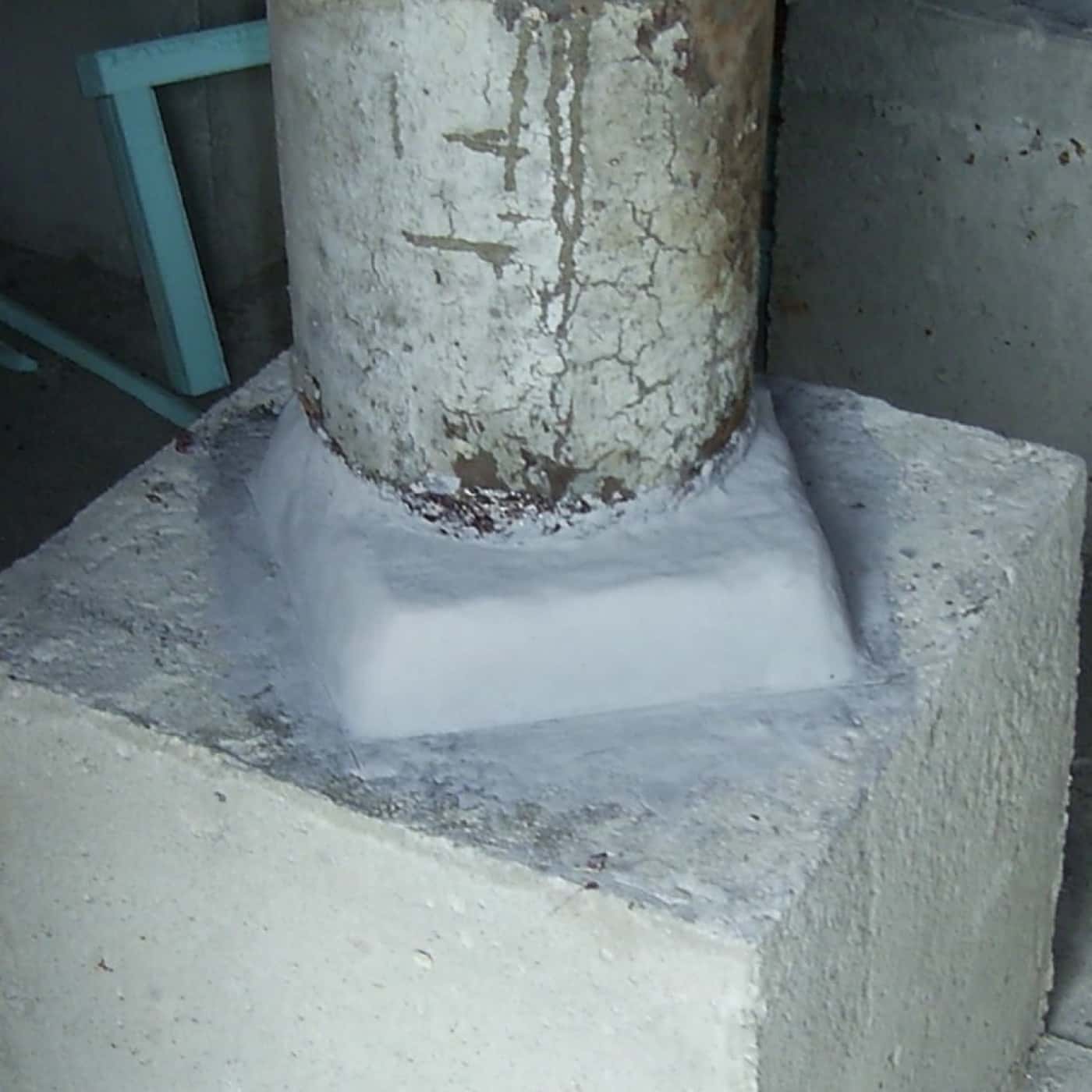
Load-bearing chocks cast in place under a turbine baseplate that had lost foundation contact, restoring full support and alignment.
What was failing
A turbine baseplate had lost full contact with its foundation, leaving the machine sitting on a soft foot. With the load bearing on only part of the footprint, the baseplate flexed and passed vibration straight into the soft foot instead of being carried by the foundation. That kind of unsupported, vibrating mount works the hold-down bolts loose, throws the train out of alignment, and accelerates wear in the bearings and couplings. Left as it was, the turbine could not hold alignment or be trusted to run.
How AAS approaches it
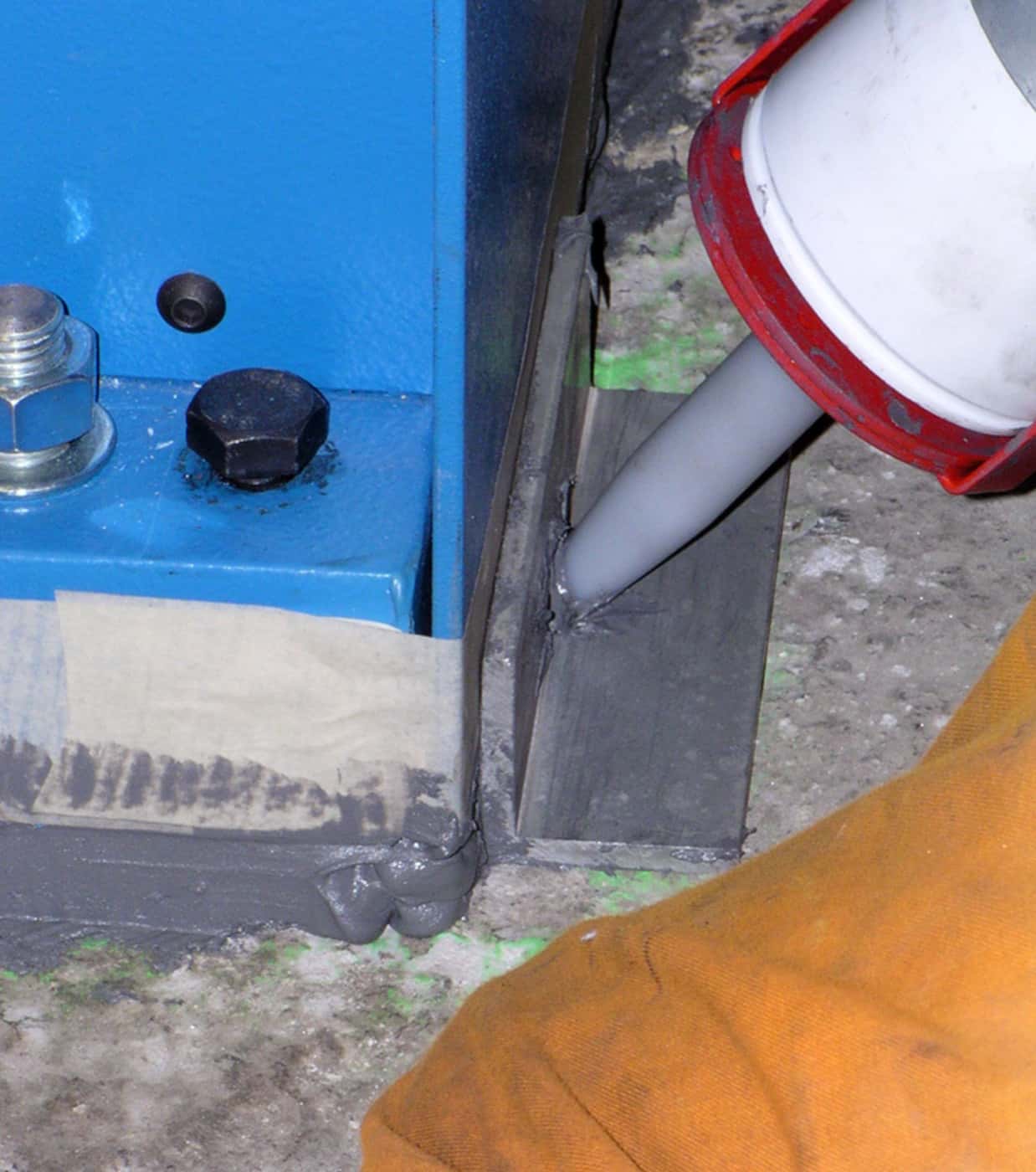
We start by checking the baseplate against the foundation to find where contact has been lost and how much the machine has settled, then we shim and align the train to its correct running position. With the turbine held on alignment, we dam the gaps and pour a cold-applied chocking system that flows under the baseplate and cures into solid, load-bearing chocks shaped to the exact gap. The chocks make full contact across the footprint, so the load goes into the foundation instead of the soft foot. Where the baseplate or bolt seats had corroded or worn, we rebuild that metal with a 1000 Series composite before we pour, so the chocks bear on sound surfaces. The result is a machine carried evenly by its foundation and back on alignment.
Assess and map
We check the baseplate against the foundation to find where contact has been lost, gauge the settlement, and confirm the soft foot driving the vibration.
Align and prepare
We clean and prepare the foundation and baseplate seats, rebuild any corroded or worn metal with a 1000 Series composite, and shim the train back onto its correct running alignment.
Dam and pour
We dam the gaps under the baseplate and pour a cold-applied 4000 Series chocking system that flows into the void and fills it completely.
Cast the chocks
The chocking compound cures into solid, load-bearing chocks shaped to the exact gap, making full contact across the footprint with no machining of the casting.
Return to service
We confirm full support and alignment, then hand the turbine back to run carried by its foundation rather than the soft foot.
The result
From the job
Repair and protection work of this kind, performed by AAS crews across Louisiana.
Capabilities used here
Where this work happens
Other projects
Storage Tank Floor Reclamation
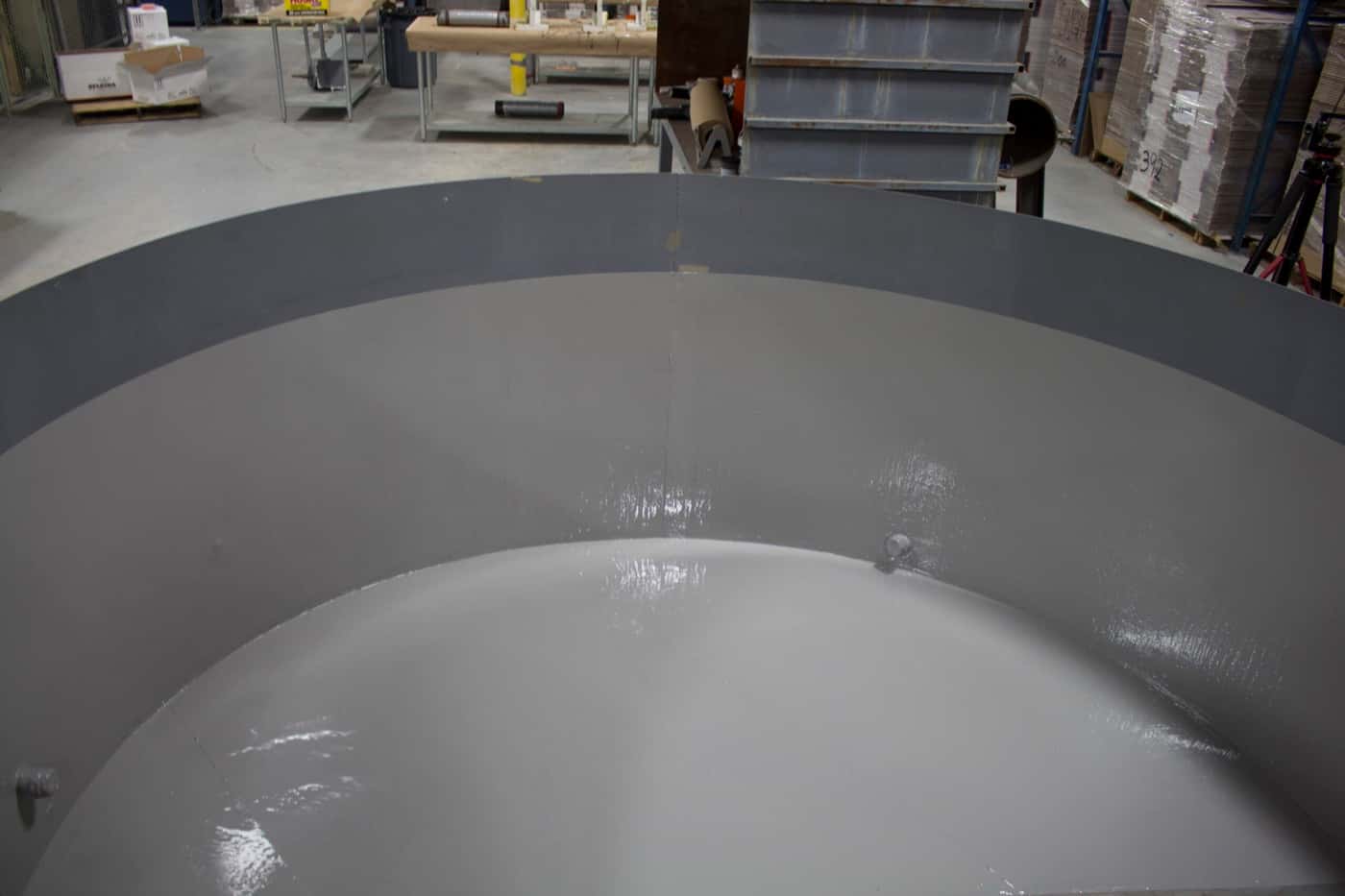
Corroded aboveground tank floor rebuilt and lined back to immersion service without cutting out plate.
View project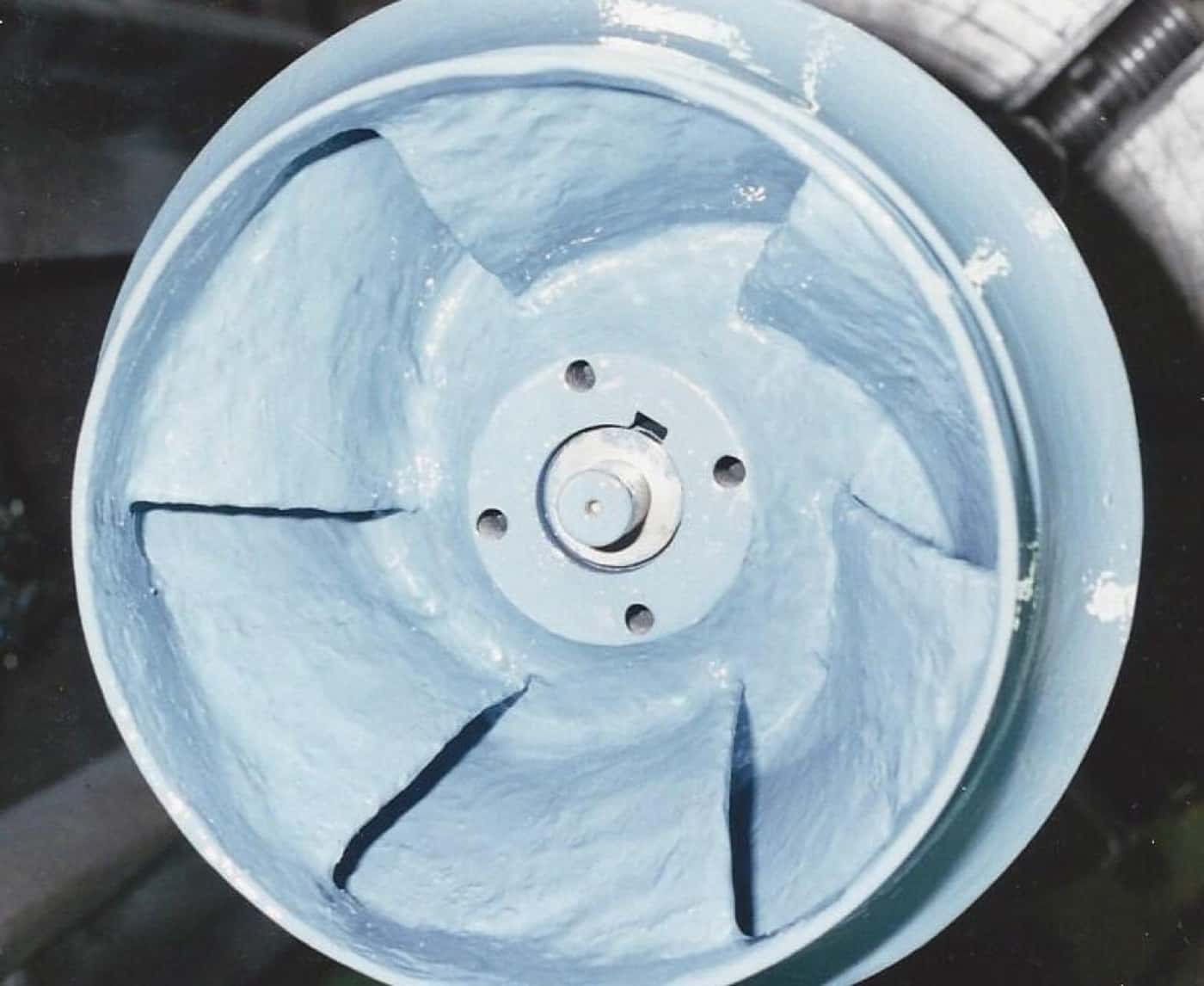
Centrifugal Pump Rebuild & Efficiency Restoration
Cold-rebuilding an eroded pump casing and lining it to restore clearances, no new casting required.
View project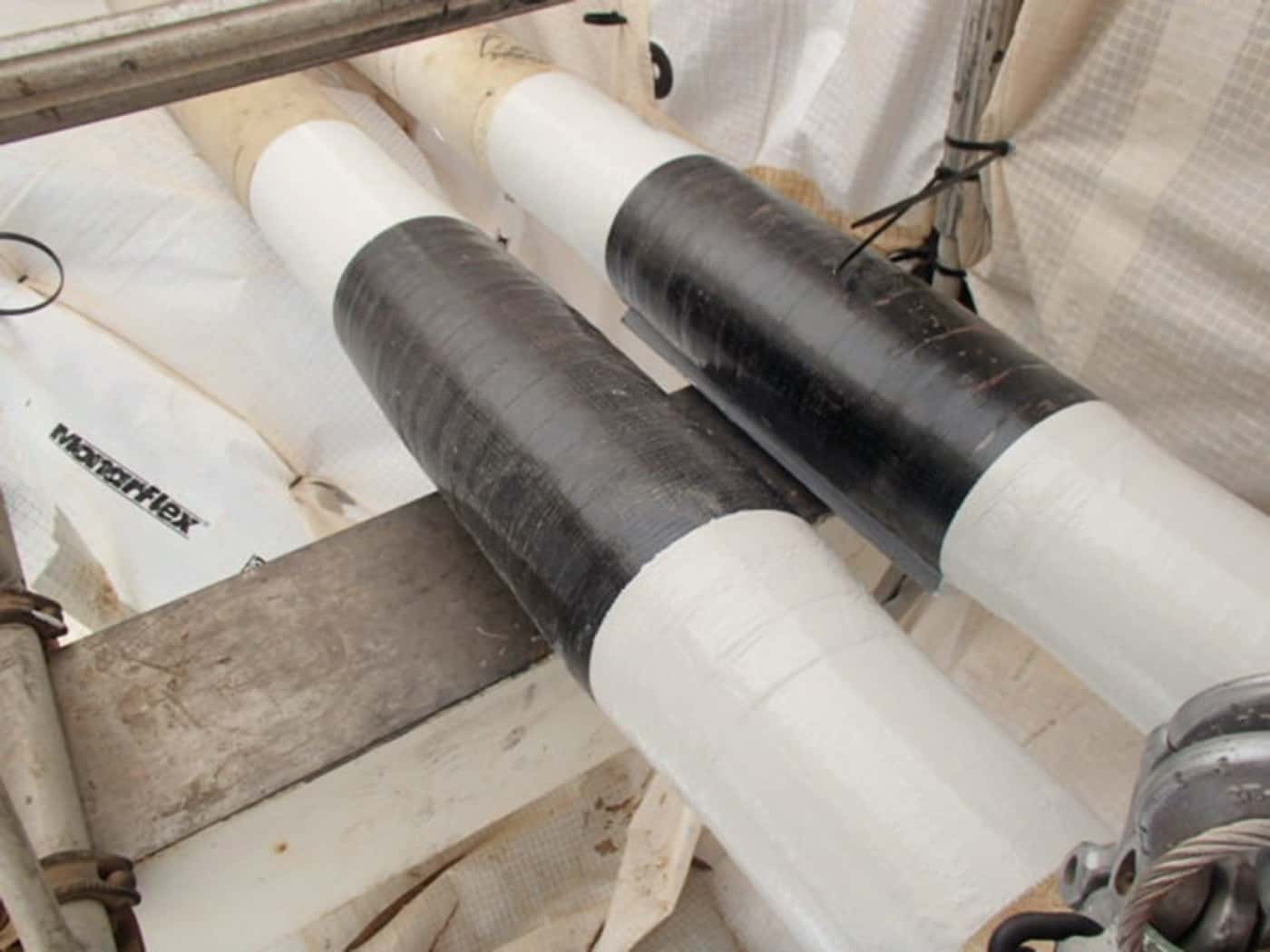
Live Pipe Leak Seal & Composite Wrap
Live leak sealed and a degraded process line reinforced with an engineered composite wrap, no welding and often no shutdown.
View project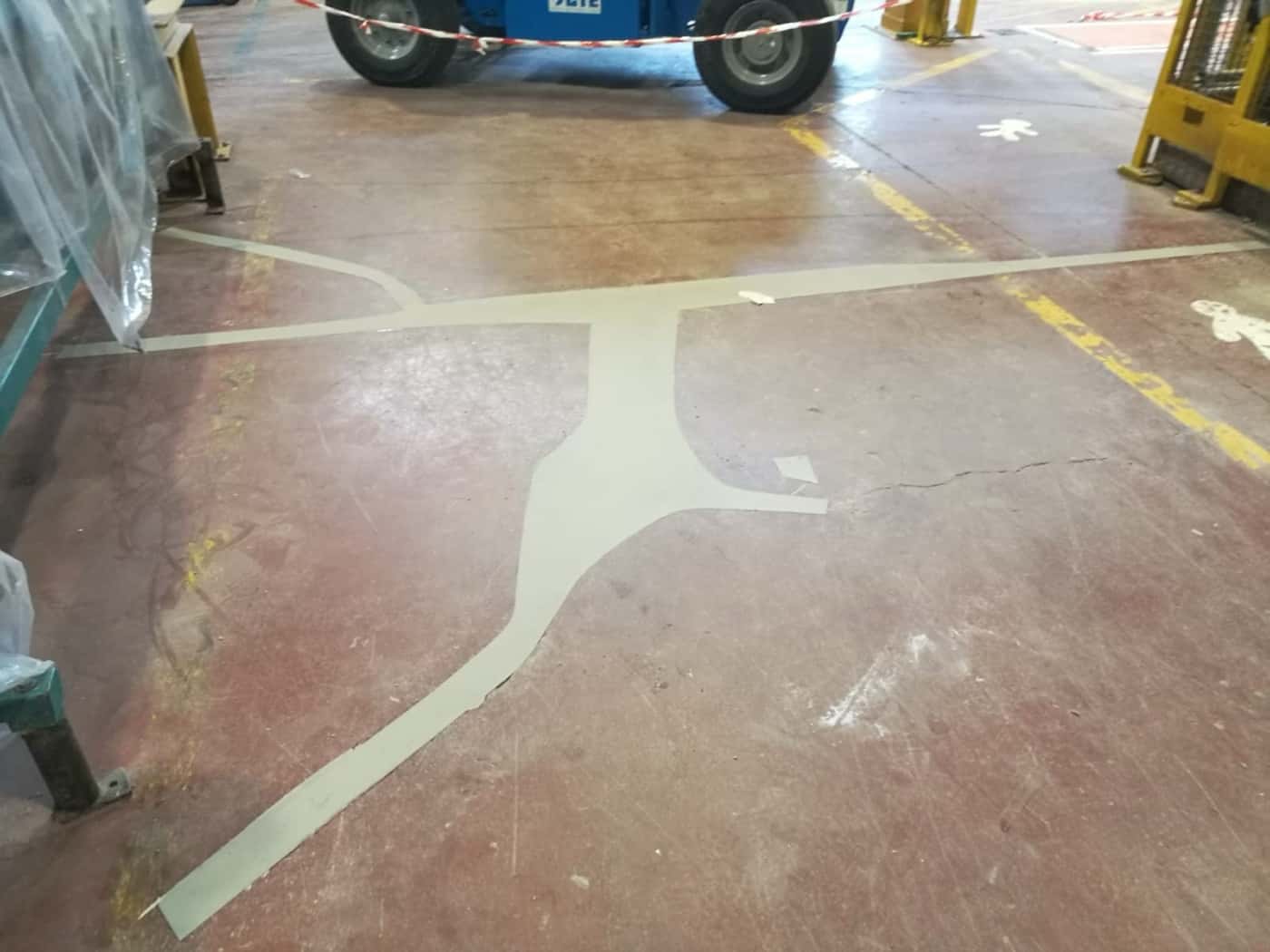
Wastewater Clarifier & Concrete Structure Relining
Spalled, rebar-exposed concrete clarifier rebuilt and relined for continued immersion service.
View project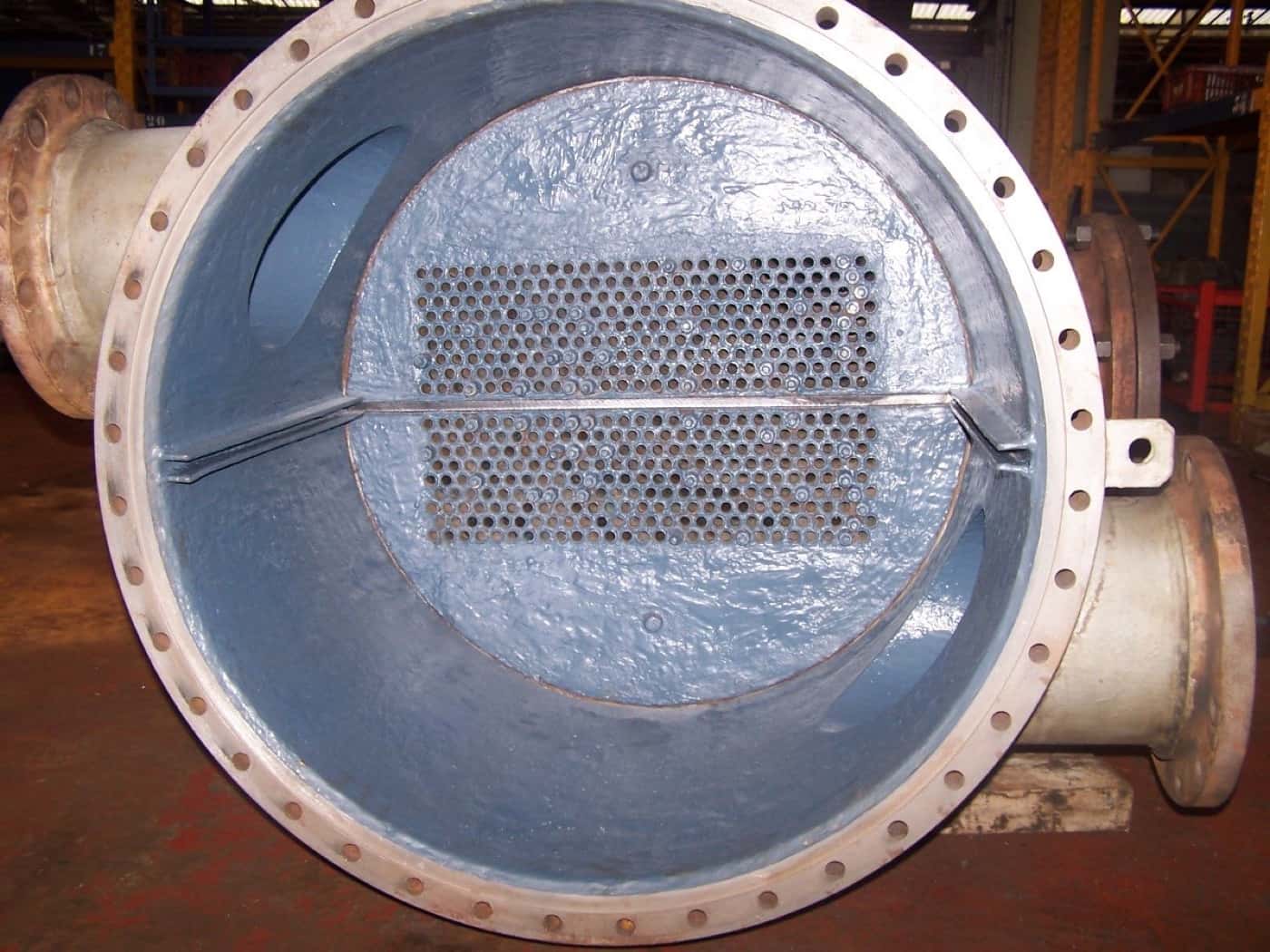
Heat Exchanger Water Box Protection
Blasting, metal rebuild, and a barrier coating restore a corroded exchanger water box and tube sheet in cooling-water service.
View projectHave equipment that needs to stay in service?
Tell us what is failing. We respond quickly, and we offer 24-hour on-call service.