
Transformer Radiator Leak Sealing
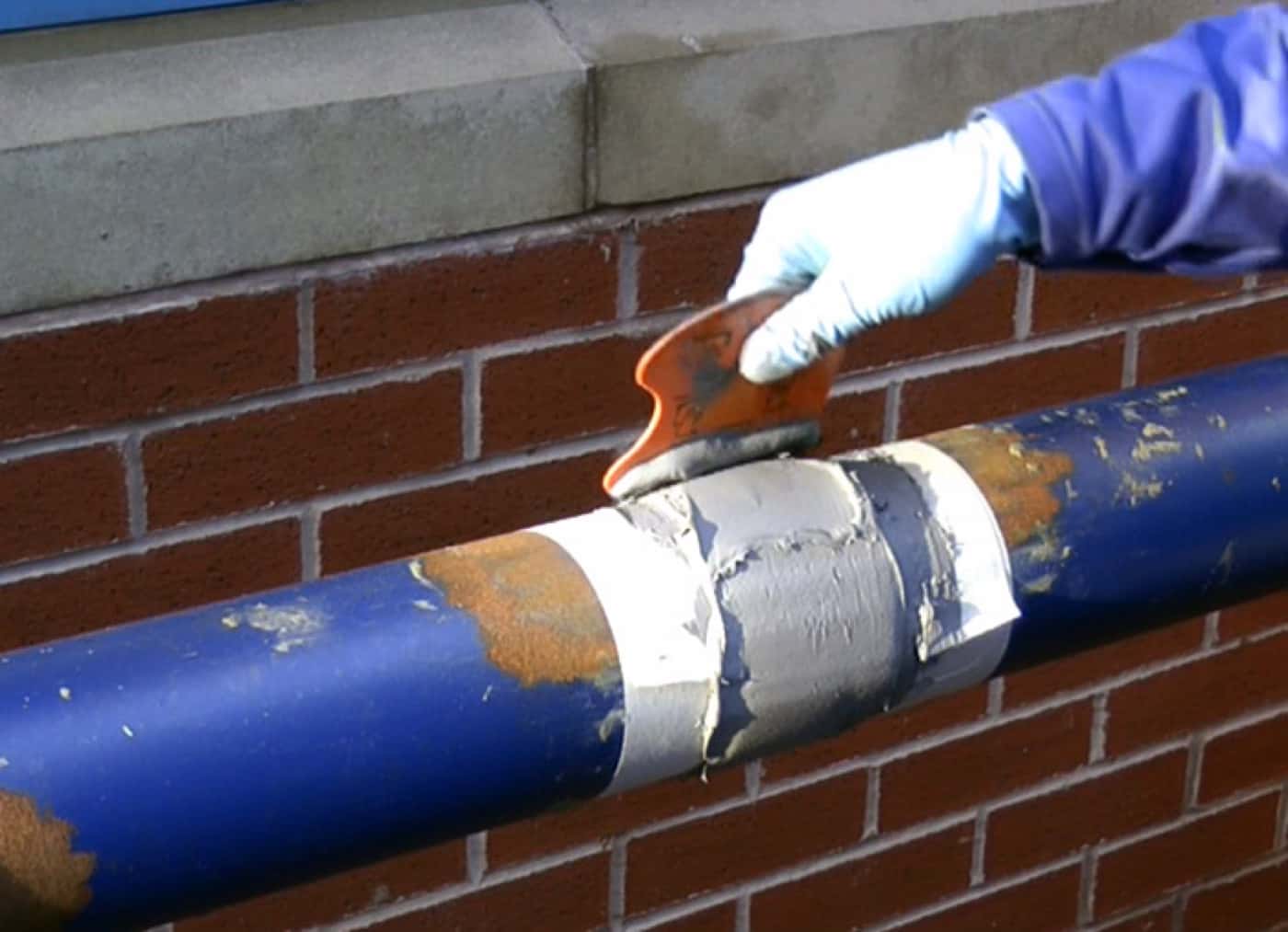
Weeping transformer radiator headers and seams sealed and rebuilt with an oil-tolerant composite, then coated to keep the corrosion from spreading.
What was failing
A transformer radiator bank was weeping oil from corrosion pinholes along the fin headers and the welded seams. The seep left oil stains running down the radiators and a slow loss that maintenance kept chasing from one spot to the next. Weeping oil from a transformer is more than a housekeeping problem. It signals that the steel is thinning, it can spread to the next seam as the pinholing works along the header, and the staining and drips raise both an environmental and a reliability concern for the unit. Draining and replacing radiators is costly and pulls the transformer out of service, so the bank needed a repair that worked on the wetted steel and held.
How AAS approaches it
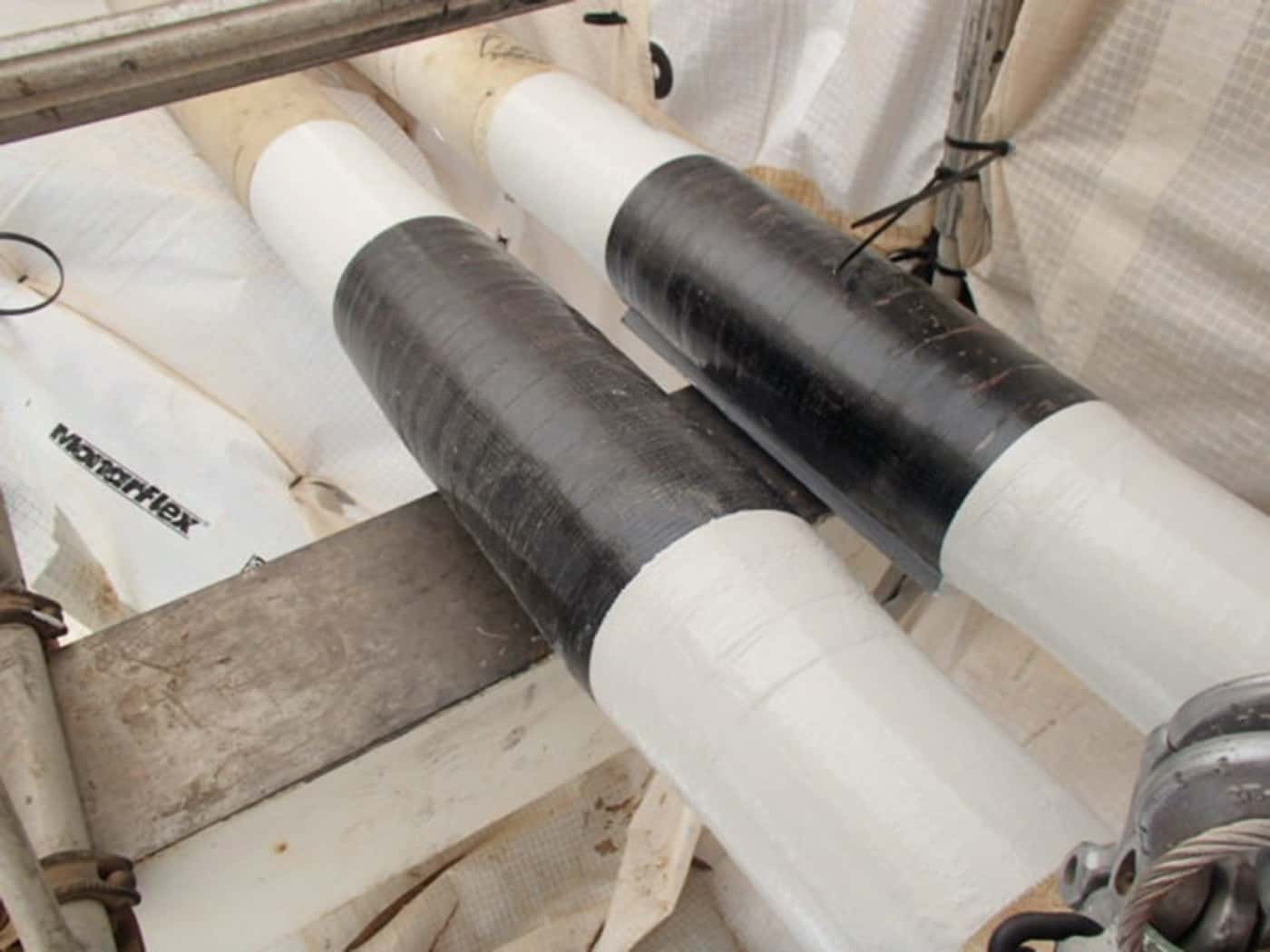
We work on the wetted steel rather than fighting it. First we clean the weeping area and stop the active seep so the surface can hold a repair. Then we rebuild the corroded header and the affected seams with an oil-tolerant composite that bonds to oil-contaminated steel, returning a sound profile where the pinholes were. Once the leak is sealed and the metal is rebuilt, we carry a corrosion coating across the radiator surfaces so the pinholing does not simply march on to the next seam. The result seals the leak and protects the bank without draining the radiators and swapping them out.
Assess the bank
We trace the weeping pinholes along the fin headers and seams and confirm where the steel has thinned so the repair covers the active loss, not just the surface stain.
Surface preparation
We clean the oily, weeping area and prepare the wetted steel so the composite has a sound surface to grip on the contaminated metal.
Stop the seep and rebuild
We stop the active seep, then rebuild the corroded header and seams with an oil-tolerant composite that bonds to the wetted steel and returns the lost profile.
Coat the radiator surfaces
We carry a corrosion coating across the radiator surfaces so the pinholing is held in check and does not spread to the next seam.
Return to service
We let the repair cure and inspect the sealed, coated bank before it goes back into service, with no radiators drained or replaced.
The result
From the job
Repair and protection work of this kind, performed by AAS crews across Louisiana.
Capabilities used here
Where this work happens
Other projects
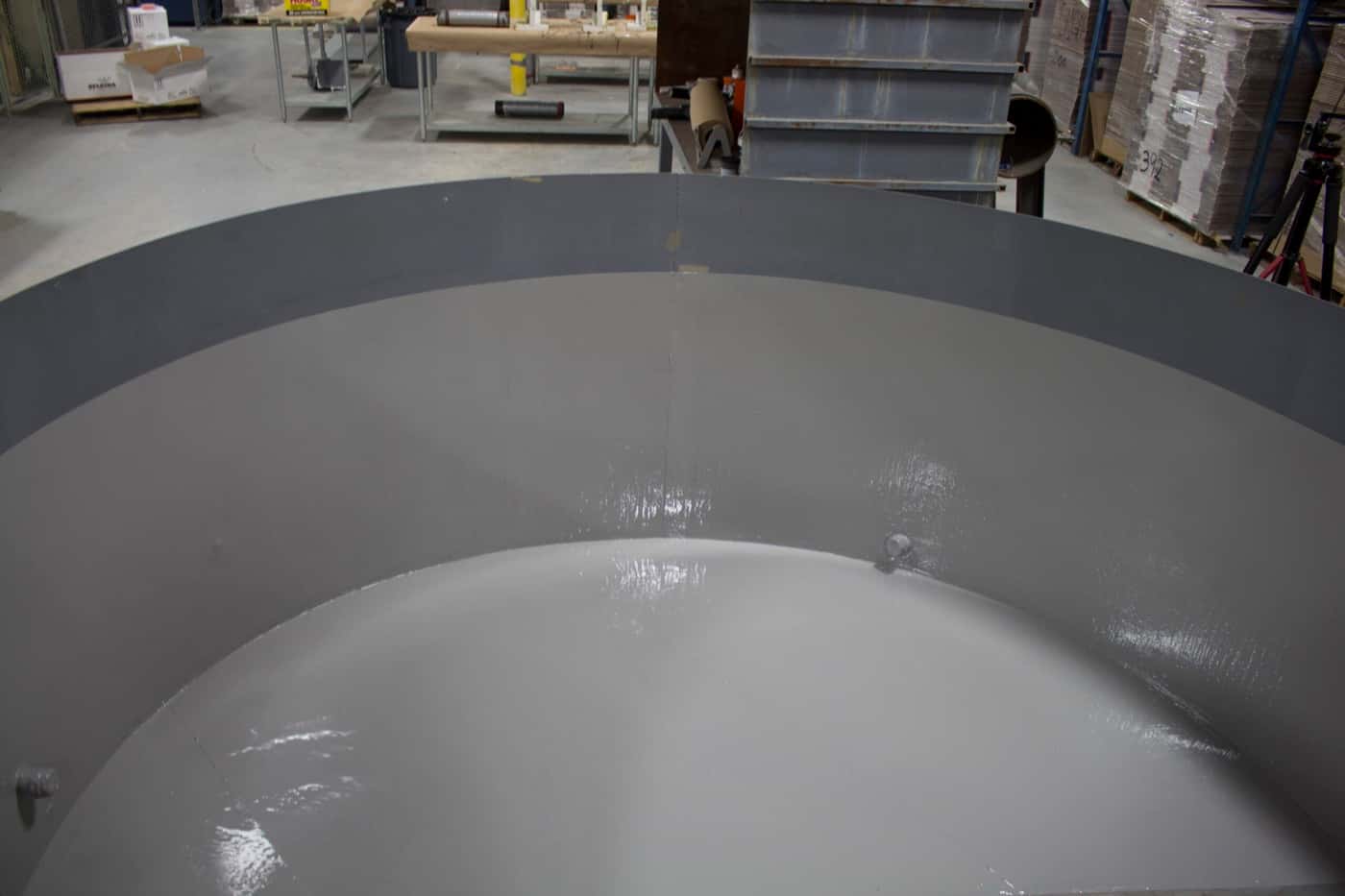
Storage Tank Floor Reclamation
Corroded aboveground tank floor rebuilt and lined back to immersion service without cutting out plate.
View project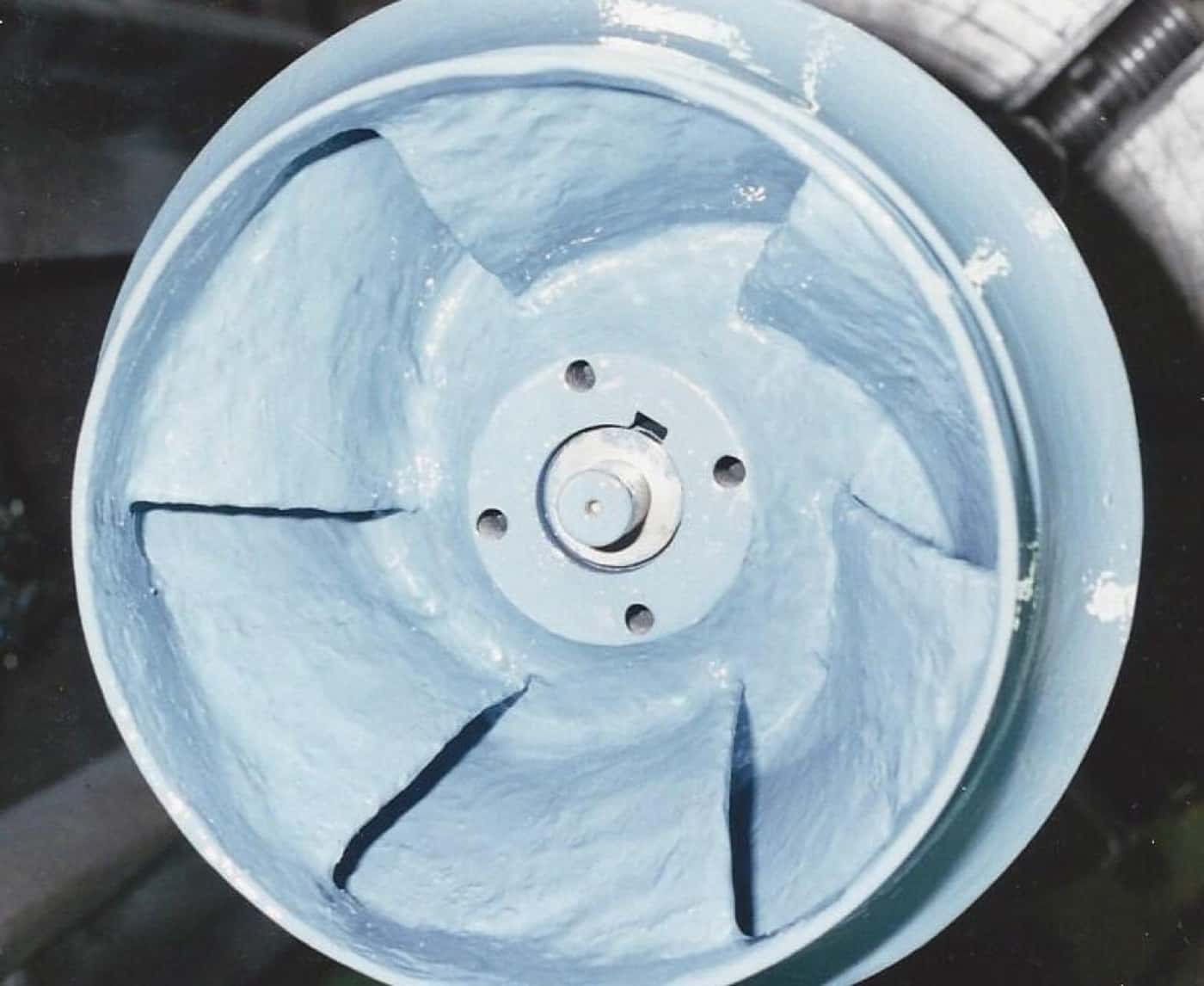
Centrifugal Pump Rebuild & Efficiency Restoration
Cold-rebuilding an eroded pump casing and lining it to restore clearances, no new casting required.
View projectLive Pipe Leak Seal & Composite Wrap
Live leak sealed and a degraded process line reinforced with an engineered composite wrap, no welding and often no shutdown.
View project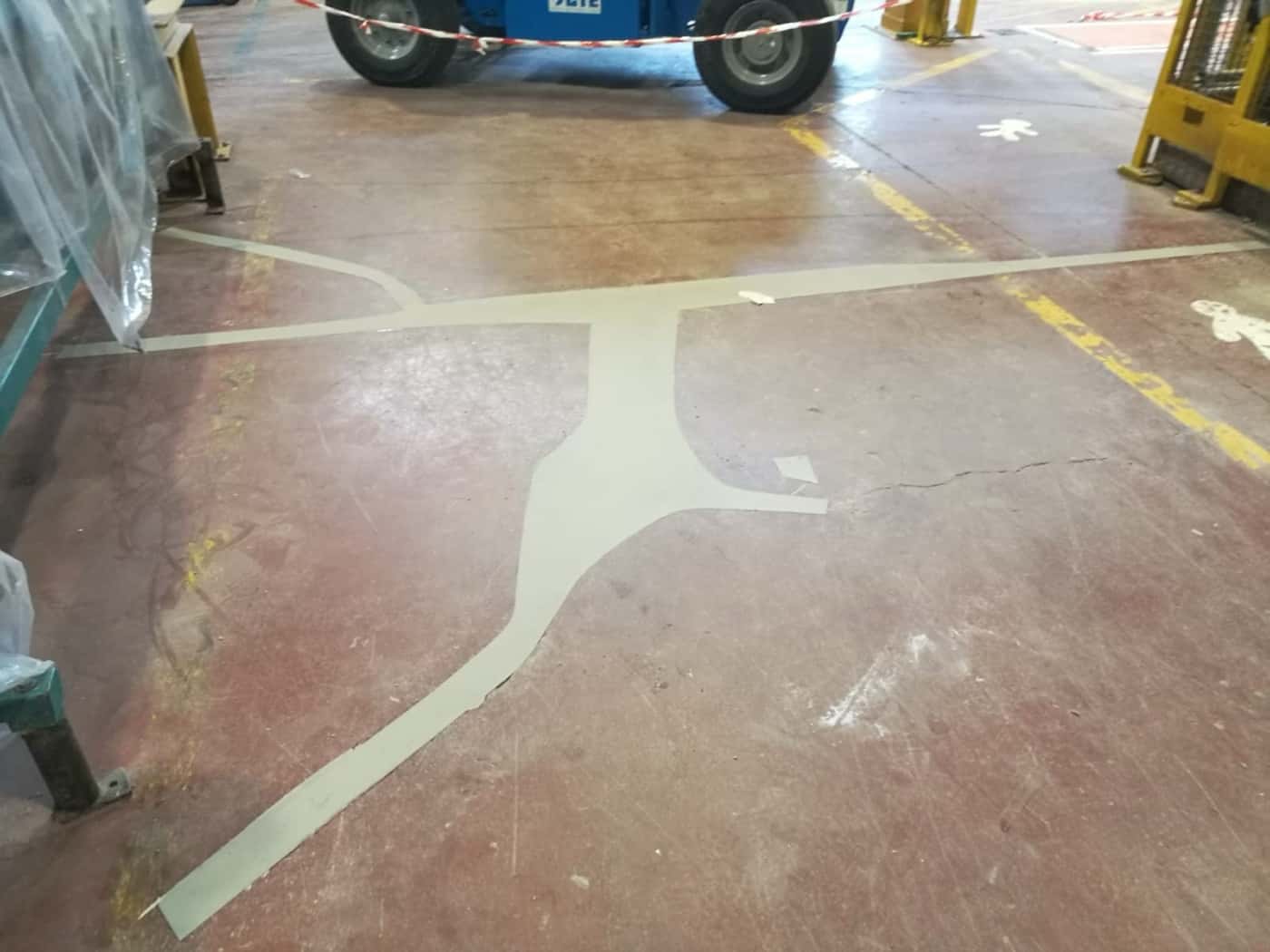
Wastewater Clarifier & Concrete Structure Relining
Spalled, rebar-exposed concrete clarifier rebuilt and relined for continued immersion service.
View project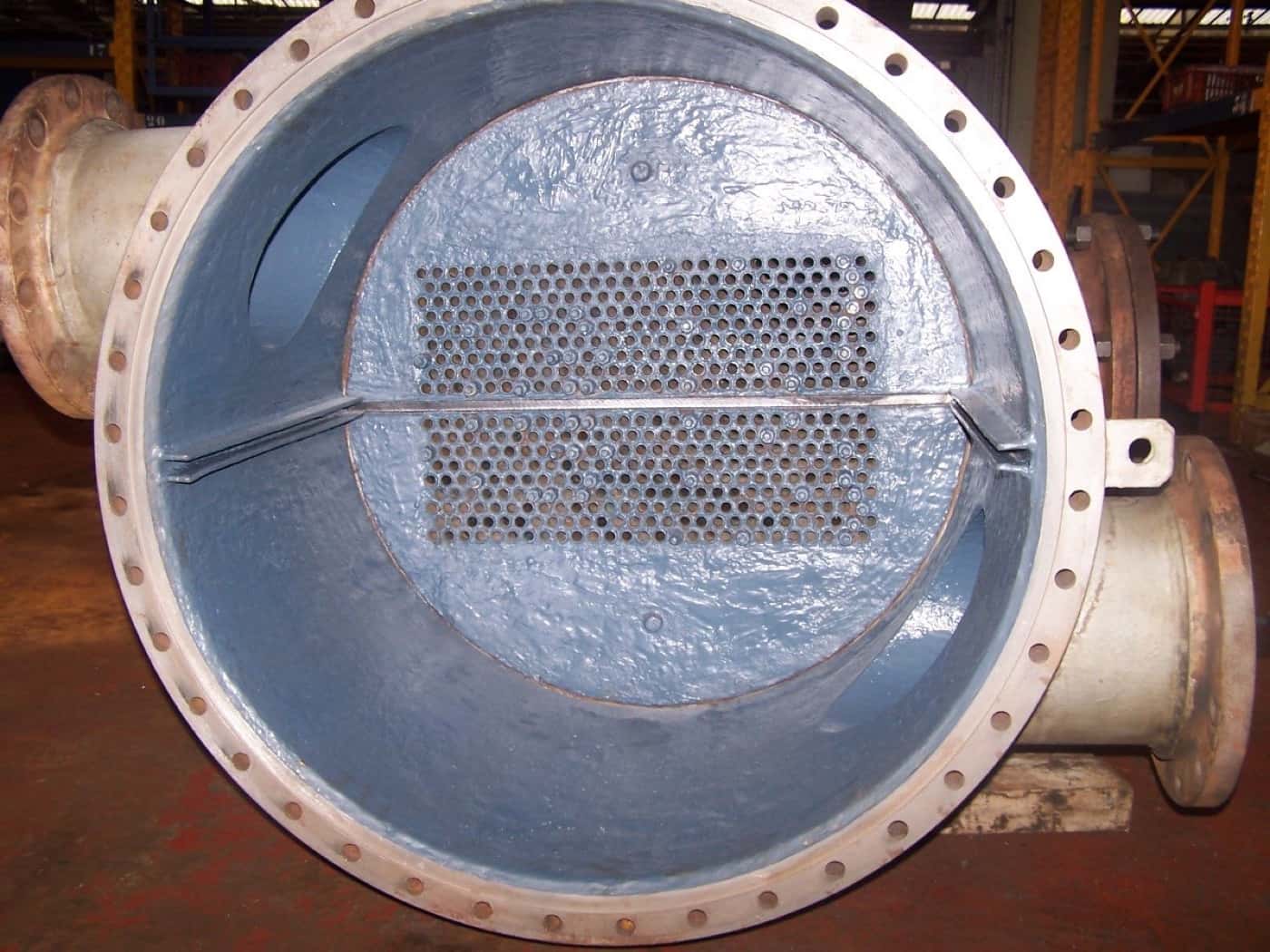
Heat Exchanger Water Box Protection
Blasting, metal rebuild, and a barrier coating restore a corroded exchanger water box and tube sheet in cooling-water service.
View projectHave equipment that needs to stay in service?
Tell us what is failing. We respond quickly, and we offer 24-hour on-call service.