
Leak Sealing & Composite Pipe Repair
Live-leak sealing and engineered composite wrap repair of pipe and equipment, in service, without hot work.
What Leak Sealing involves
A leak does not wait for the next turnaround. A pinhole at a header, a weep at a flange, or a thinning wall on a pressurized line forces a maintenance buyer into a hard choice: pull a permit for hot work, isolate the line, and lose production, or watch product escape and corrode the steel around it. AAS gives you a third option. As factory-trained and factory-certified Belzona applicators, our crew seals live leaks and reinforces corroded pipe and equipment in the field, cold, with the line in service in many cases. No welding, no flame, no draining. We work across Louisiana for refiners, petrochemical producers, power generators, and marine operators, with around-the-clock on-call response when a leak cannot wait.
Live leaks sealed while the line stays pressurized
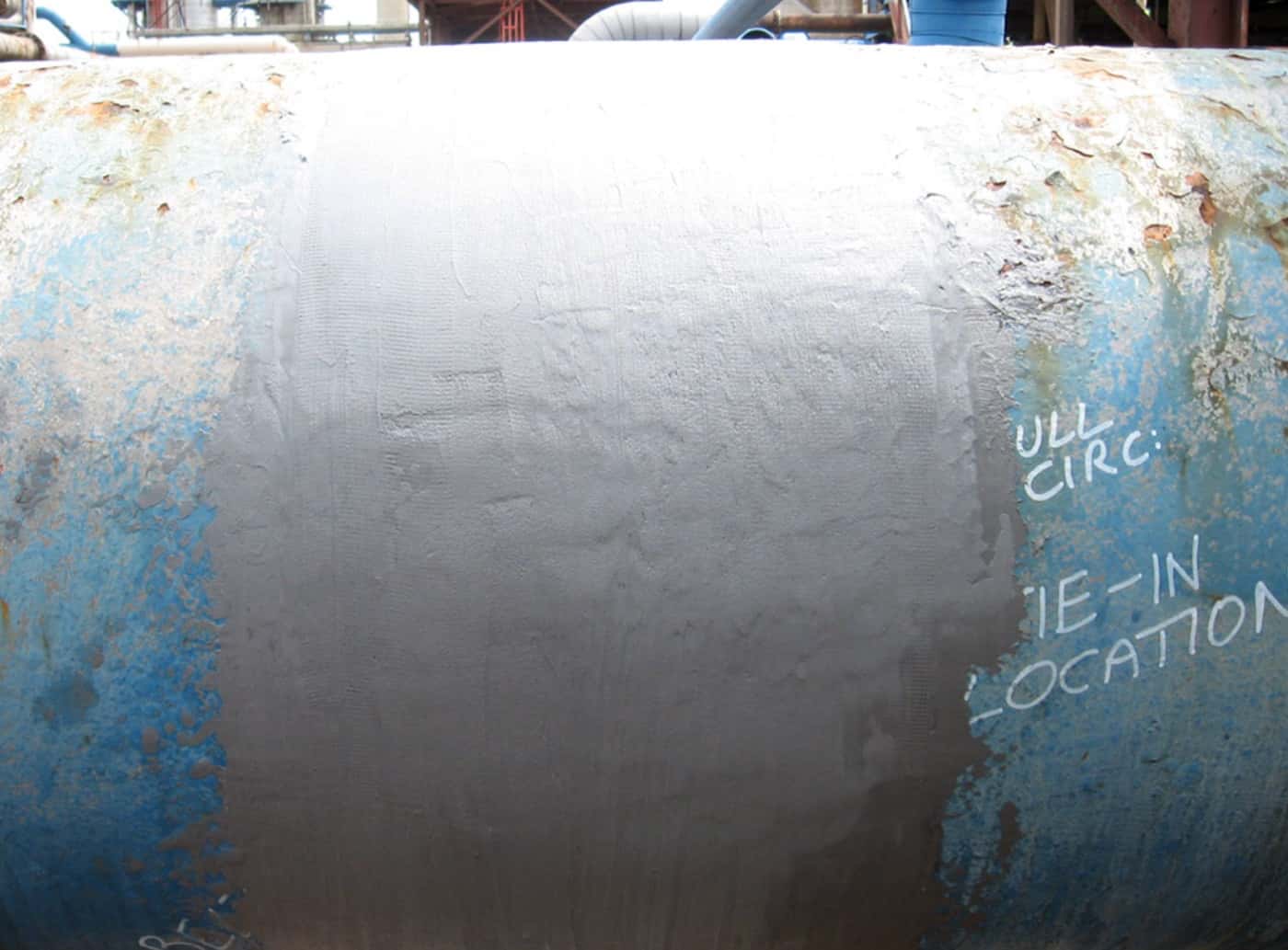
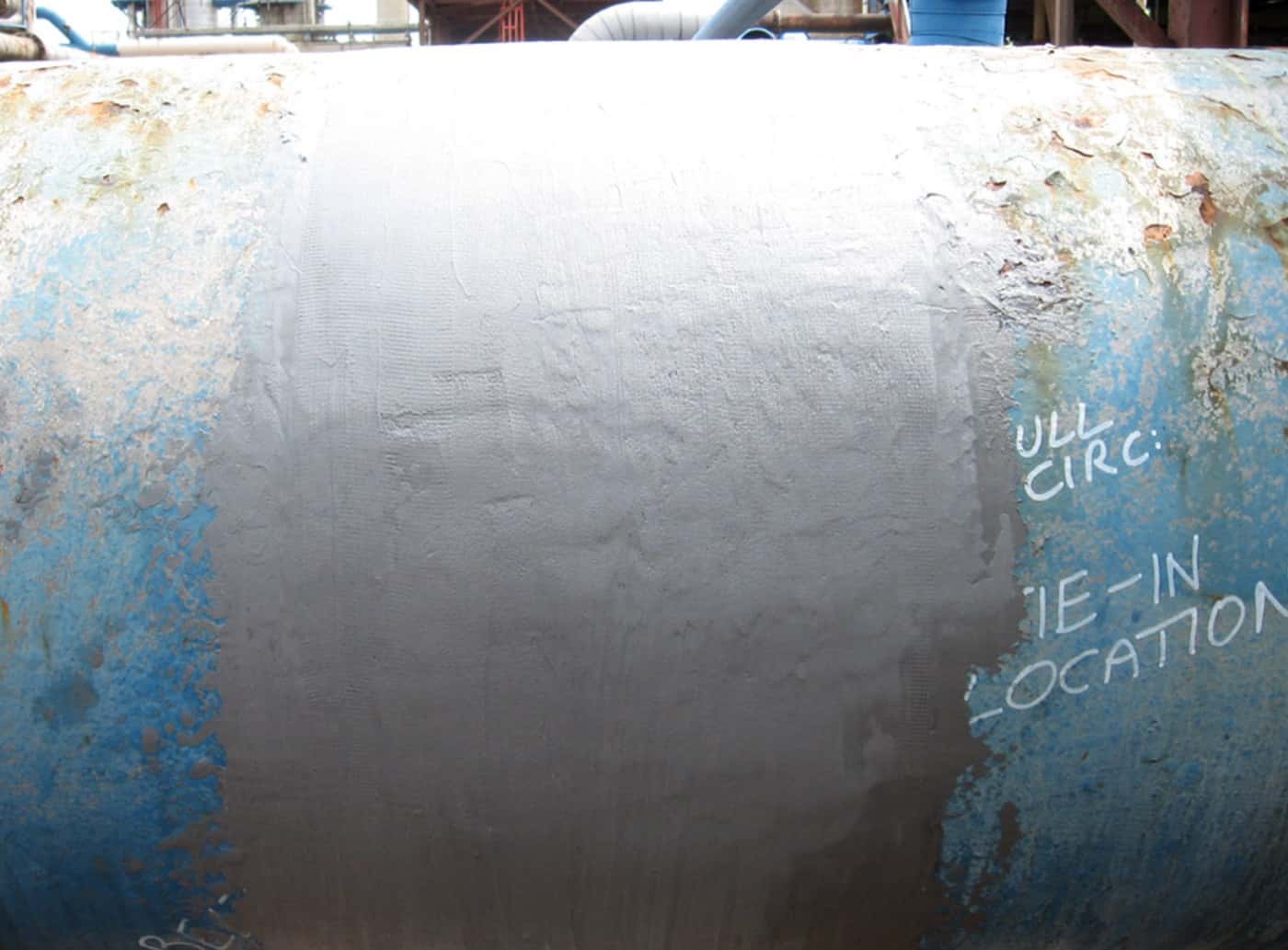
Active leaks at pipes, headers, and vessels waste product and eat into nearby steel before a shutdown can be scheduled. Our crew seals the live leak cold while the line stays pressurized, then overwraps the repair for a permanent fix. Production continues with no hot work and no product evacuation. We use oil-tolerant compounds where they are needed, so a leak at a transformer tank, a gearbox case, or a weld seam can be sealed directly onto oil-wet steel. The oil film that stops conventional adhesives from setting is not a problem for the right compound, and the repair is done in place with no draining.
The same cold, in-service approach extends to gas. SF6 leaks at switchgear flanges and seals release an expensive insulating gas and chip away at equipment reliability. We seal the leak path while the gear stays in service, so the leak stops without evacuating the SF6 or scheduling an outage. In every case the principle holds: stop the loss now, on the running unit, and leave the asset ready for service.
Corroded and holed pipe rebuilt and reinforced
Through-wall corrosion, external pitting, and mechanical damage thin pressurized pipes and vessels long before a replacement turnaround comes around. Pinholes and corrosion pits open leak paths in pipe and tank walls, often on wet or oil-contaminated steel. Our crew rebuilds the corroded wall and seals the defects with cold-cure compounds that bond to damp, contaminated surfaces, then returns the line to service without welding. Where the wall has lost strength, we apply an engineered resin and fiber composite wrap with the line online, qualified to the methods recognized in ISO 24817 and ASME PCC-2, so the pipe recovers its design pressure rating. Belzona SuperWrap II is one of the systems we install for this work.
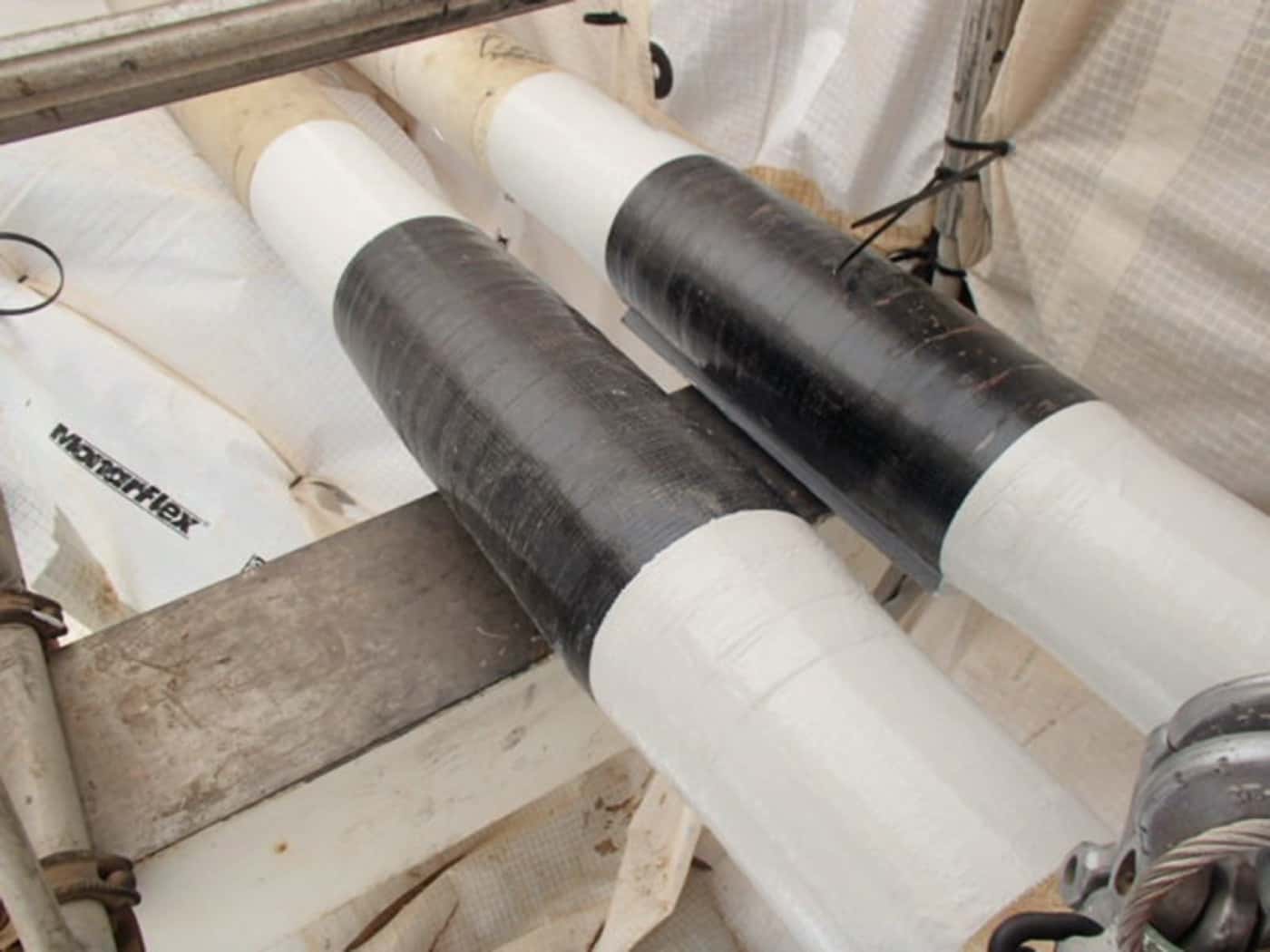
Bends, tees, and elbows are the first fittings to go, because flow turbulence concentrates erosion and corrosion at every change of direction. A flat wrap will not follow that geometry. Our crew lines and wraps the contoured fitting with a composite system that conforms to its shape, so the elbow or tee returns to service without cutting out the spool and re-welding it in. The repair follows the part, not the other way around.
Flange joints sealed and protected
Flange faces corrode and weep at the gasket joint while the exposed bolting seizes. That combination opens a leak path and makes the next disassembly a fight. Our crew encapsulates the flange in a cold-cure compound that seals the joint and protects the bolting at the same time. The weep stops, the corrosion under the encapsulation stops, and the assembly stays free so the joint can be broken cleanly when planned maintenance comes due.
This is field work and shop work both. Simple flange and fitting jobs go fast on site, and components that can come off are prepped and repaired in our climate-controlled shop, where surface preparation and cure conditions stay under control regardless of Louisiana weather.
Downtime avoided, asset life extended
The outcome a maintenance buyer cares about is the unit running and the leak gone. Sealing and wrapping cold means no hot work permit, no isolation, and in many cases no shutdown at all. The lost product stops, the corrosion around the leak stops spreading, and a line headed for an unplanned outage keeps running until you choose to take it down. A composite wrap returns thinned pipe to its pressure rating and buys years of service from an asset that looked like a replacement.
With decades of field experience, a strong safety record, and around-the-clock on-call response, our crew shows up, controls the surface prep, makes the repair, and gets the unit back in service. The leak is the subject, the running plant is the result.
Identify, engineer, and provide the fix
AAS works cold-applied: no hot work and no hot-work permits to remove or install. Most repairs happen in service or on a planned turnaround, without the permitting burden and downtime that hot work brings.
Identify
We are on call 24 hours and work with your engineering team to identify the problem and what is driving it.
Engineer the solution
We develop the repair, both engineered and non-engineered solutions, matched to the conditions the asset actually sees.
Provide products and services
We deliver what it takes to solve it: factory-trained, NACE-certified applicator support and turnkey services as requested, in-house, in the field, and in a controlled shop environment through Advanced Applications Specialists.
Applications in Leak Sealing
Composite repair of pipe bends, tees, and elbows
Bends, tees, and elbows wear fastest because flow turbulence concentrates erosion and corrosion at the change of direction.
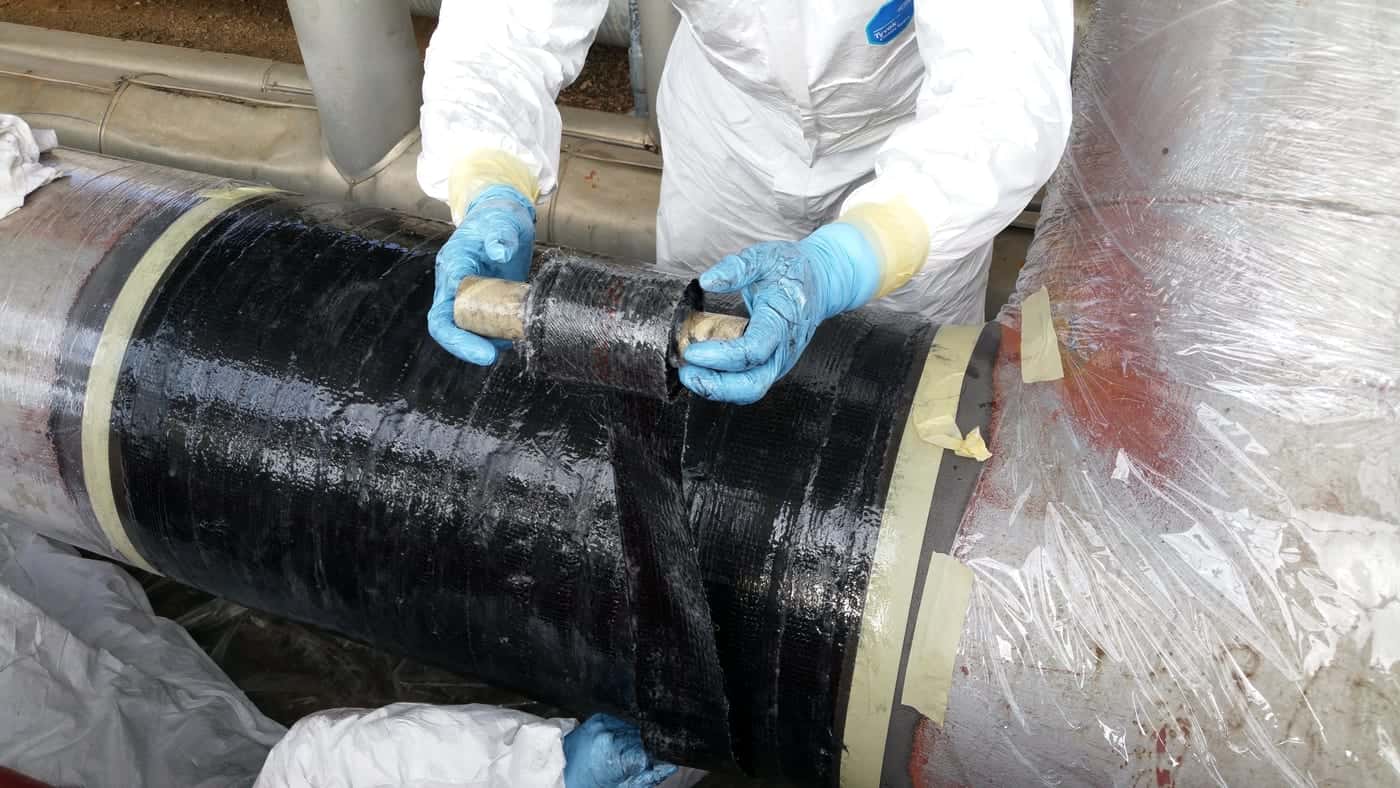
Engineered composite pipe wrap repair
Through-wall corrosion, external pitting, and mechanical damage thin pressurized pipes and vessels before a replacement turnaround is scheduled.
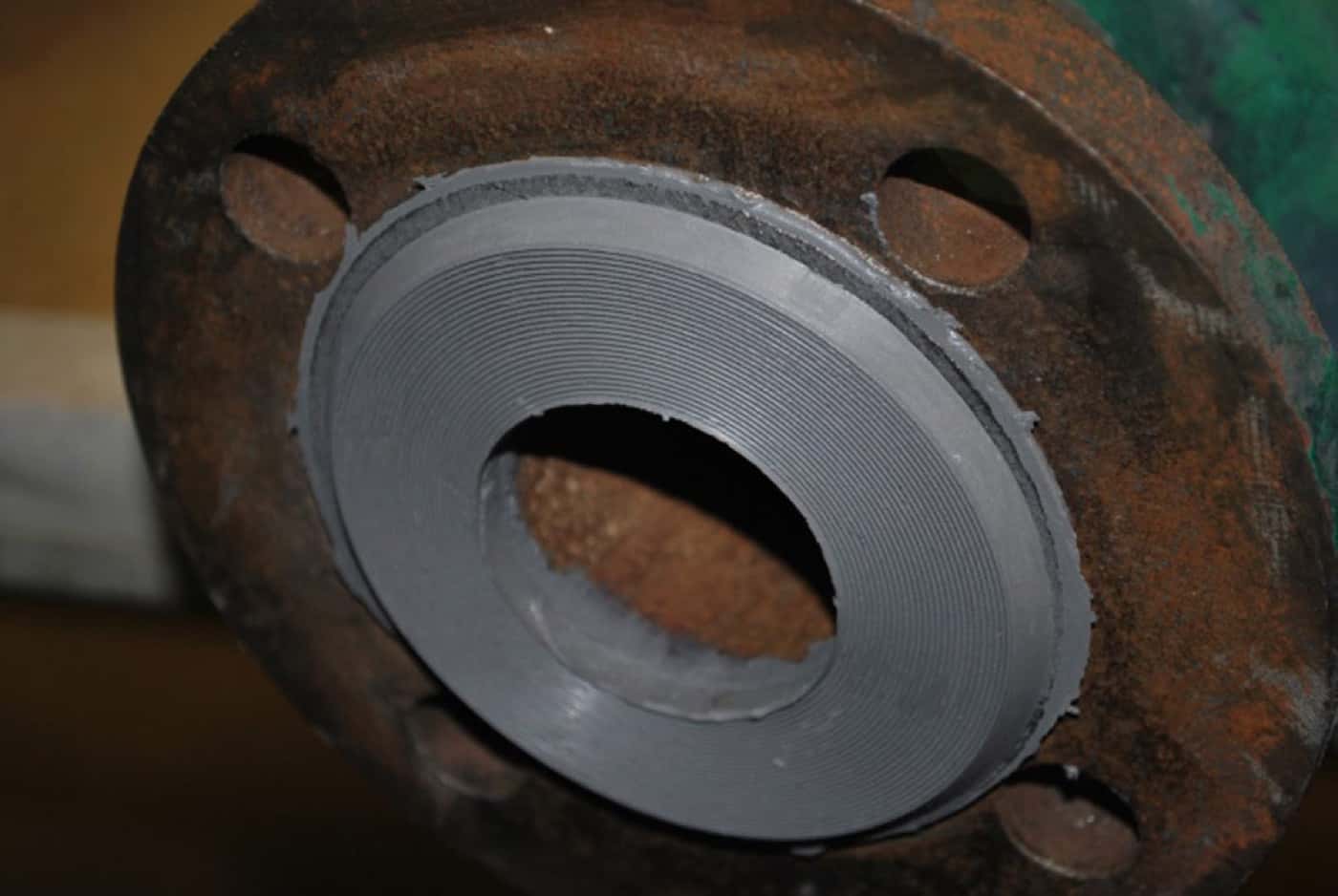
Flange encapsulation and sealing
Flange faces corrode and weep at the gasket joint, and exposed bolting seizes. This opens leak paths and makes future disassembly hard.
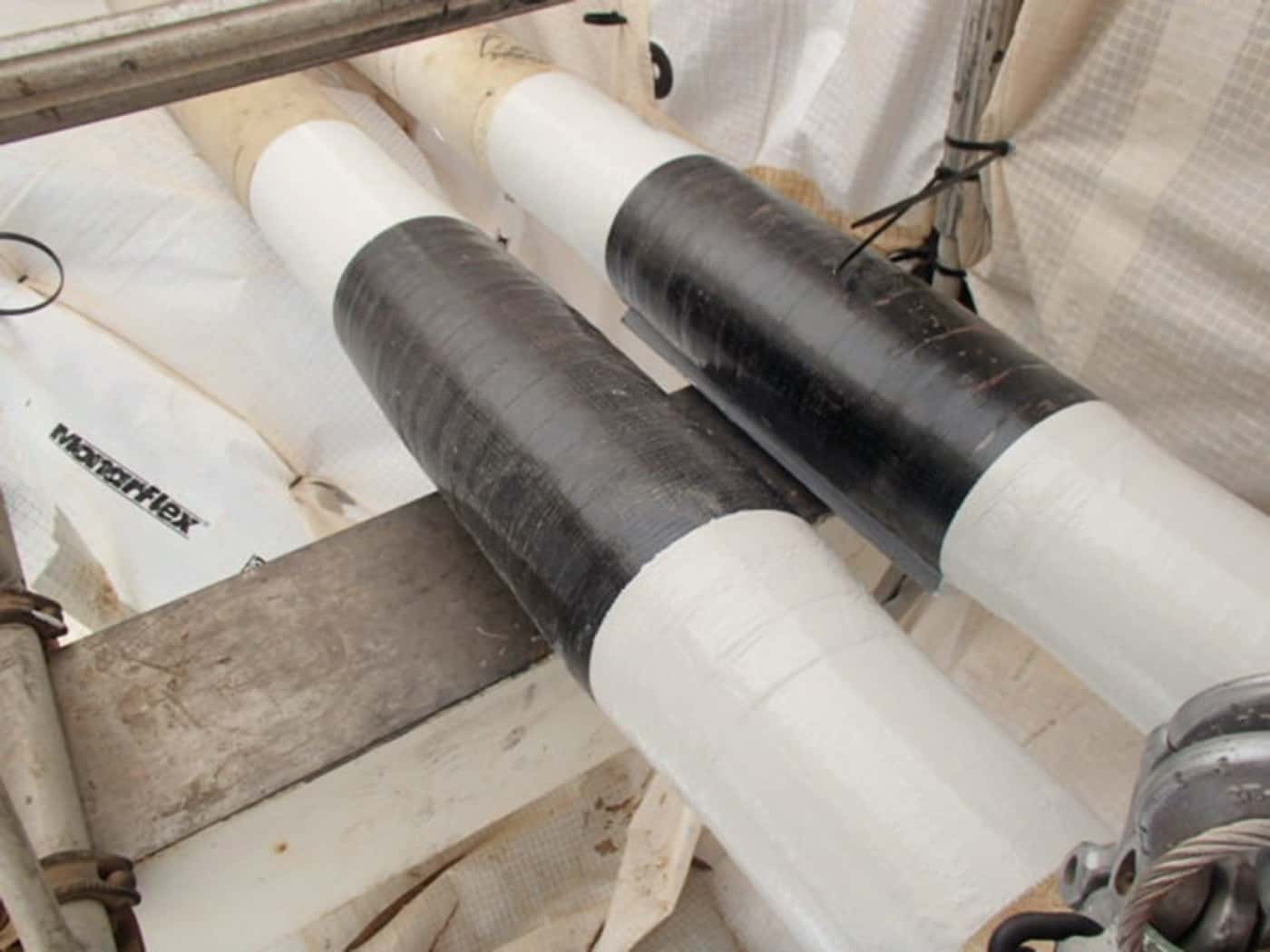
Live leak sealing
Active leaks at pipes, headers, and vessels waste product and corrode nearby steel before a shutdown can be scheduled.
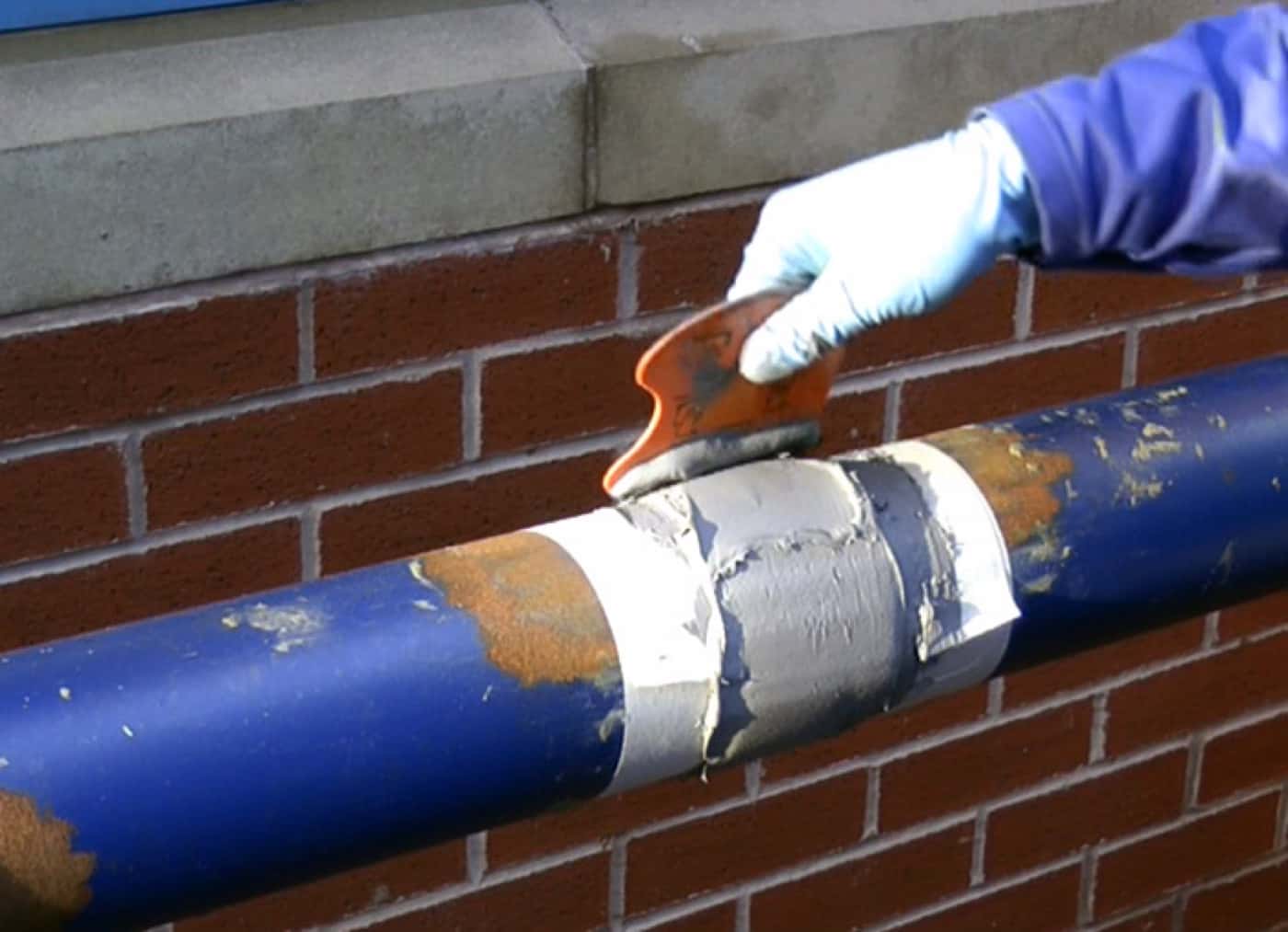
Oil and transformer leak sealing
Oil leaks at transformer tanks, gearbox cases, and weld seams persist because the oil film stops conventional adhesives from setting.
Pipe and tank leak sealing
Pinholes, through-wall defects, and corrosion pits open leak paths in pipe and tank walls, often on wet or oil-contaminated steel.
SF6 gas leak sealing
SF6 leaks at switchgear flanges and seals release an expensive insulating gas and degrade equipment reliability.
Typically applied with SuperWrap II, 1000 Series, 9000 Series Belzona systems, matched to the service conditions.
What this does for your facility
Industries where this is commonly used
Related capabilities
Have equipment that needs to stay in service?
Tell us what is failing. We respond quickly, and we offer 24-hour on-call service.