
Facilities Maintenance Coating & Repair Services
Roofing, anti-slip surfacing, concrete repair, and corrosion protection for buildings and plant infrastructure.
AAS in Facilities Maintenance
A plant runs on more than its process units. Roofs over the control room, the walkways your operators cross at shift change, the loading-bay slabs, the handrails on every stair, and the structural steel holding it all together are the assets that fail quietly and then fail expensively. AAS works on that infrastructure the way we work on production equipment. We do it in place, on a maintenance window, with cold-cure systems that need no hot-work permits and no return trip to the shop. Roofs leak. Walkways lose grip. Concrete spalls. Steel rusts. Over more than 25 years on Louisiana, our factory-trained and factory-certified Belzona applicators have learned that facilities work is won or lost on scheduling and surface prep, not on chemistry. We weatherproof, resurface, rebuild, and protect. Then we hand the area back the same day wherever the cure allows. With a 0.89 EMR and 24-hour on-call service, we handle the leak at 2 a.m. and the planned recoat that has to fit inside one shift.
Roofs, gutters, and the building envelope
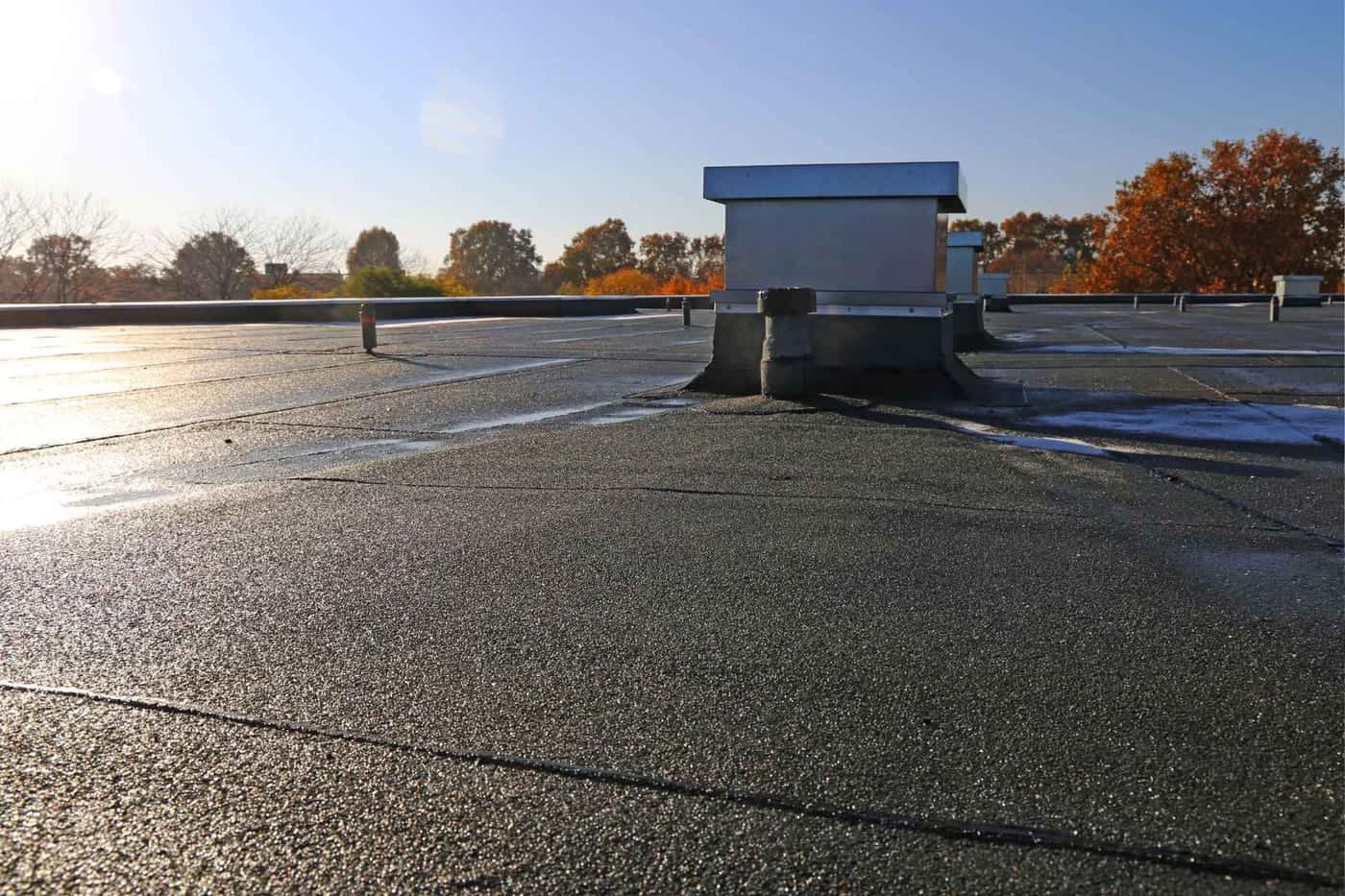
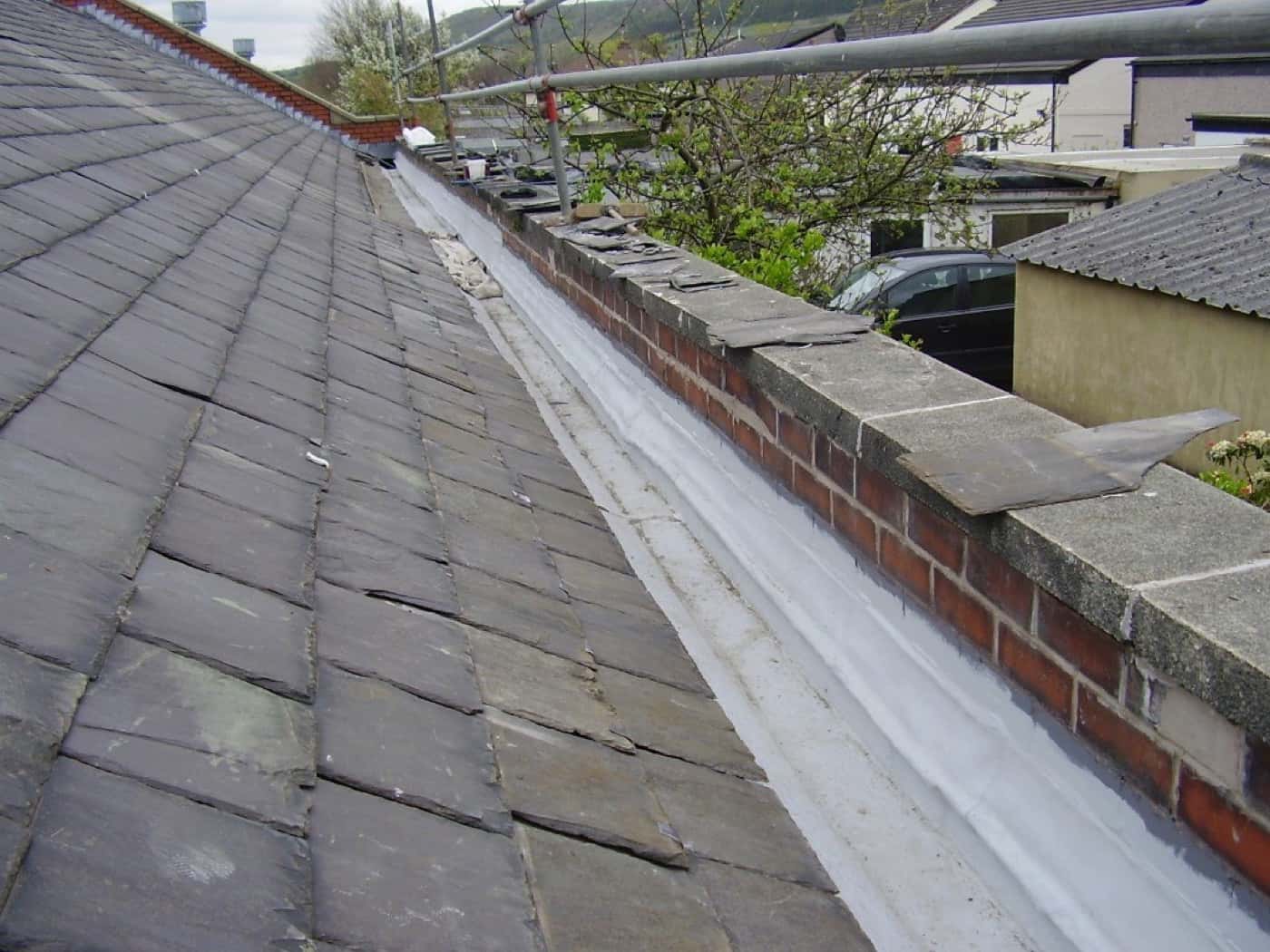
Built-up and single-ply roofs lose their seal first at penetrations, seams, and upstands. UV and thermal cycling pry the membrane open there and let water reach the deck. We do not reroof to fix that. AAS applies a cold-applied liquid membrane by brush and roller over the prepared roof, with no hot work near sensitive equipment or occupied space below. Active drips get sealed and the roof stays watertight. The hardest details are the ones that move. Gutter linings, parapet copings, metal flashing, and roof protrusions are places where dissimilar materials meet and movement reopens a leak path every season. We seal each of those transitions with a flexible membrane that follows the substrate instead of fighting it.
Cracks and high-movement areas get a high-elasticity bridging membrane that stretches with the structure rather than splitting over it. On exterior masonry and facades, we coat prepared walls with a breathable waterproof barrier that sheds water while still letting trapped vapor escape. That is what stops the freeze-thaw spalling and staining that destroys a building face. Insulation cladding gets the same attention, since leaking jacketing at seams and support legs is how corrosion under insulation starts on the pipe underneath.
Walkways, stairs, and traffic floors
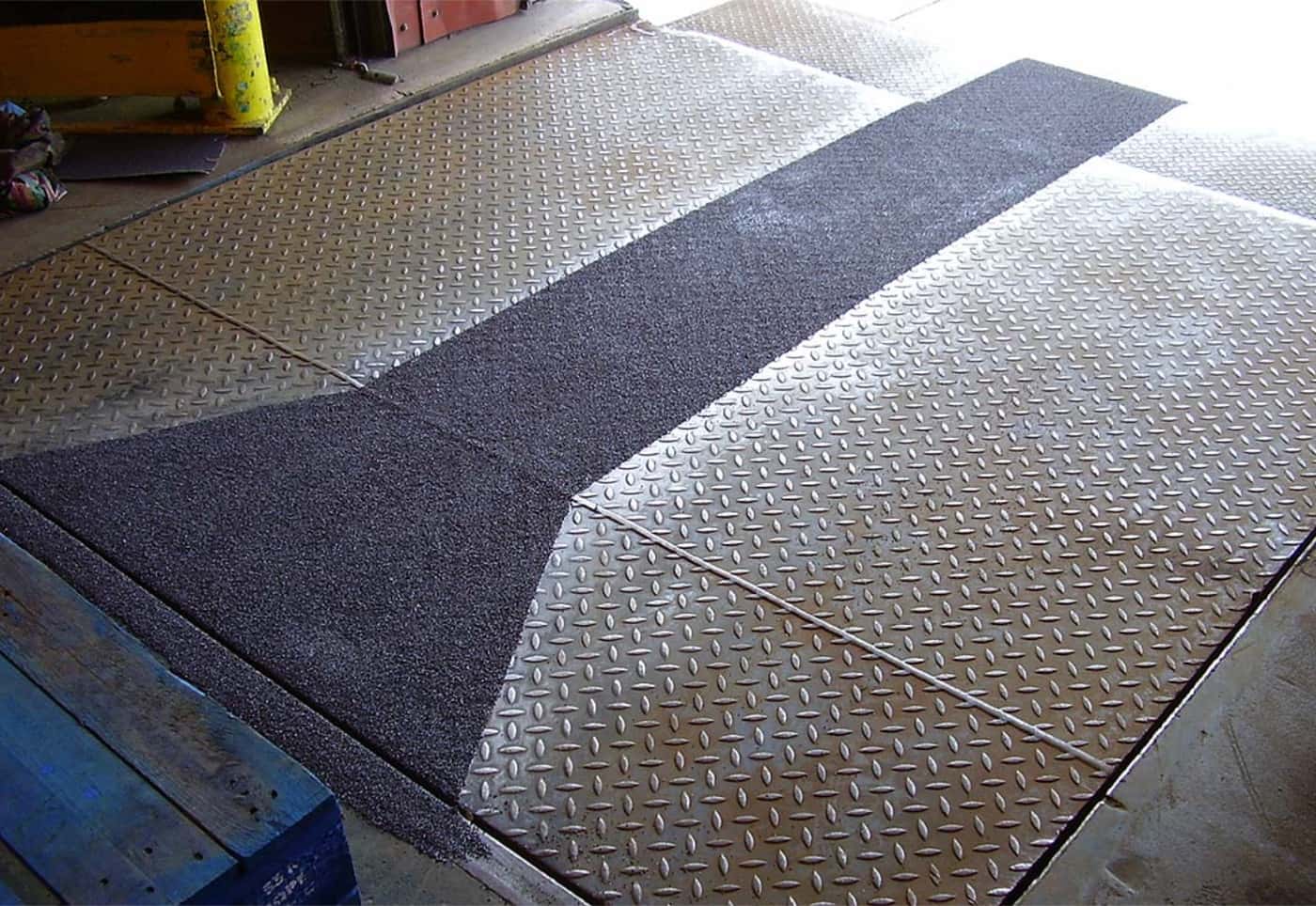
Worn aggregate, oil tracking, and process spills drop floors, stair treads, ramps, and platform decks below safe slip resistance. That is a fall waiting to be reported. AAS applies cold-cure safety-grip coatings to walkways, stairs, ladder rungs, and access surfaces, and the area reopens to foot traffic the same shift. For front-of-house and public spaces, we hold the same slip-resistant aggregate in a color-matched finish, so the floor stays safe without looking like a back-of-plant deck. Near electronics or flammable atmospheres, we install static-dissipative systems that bleed charge to ground through a controlled path.
High-traffic floors take a different kind of beating. Forklift wheel paths, loading-bay edges, and joint shoulders crater under constant traffic until the slab breaks up and material handling slows. We rebuild worn loading bays and resurface those floors with a hard-wearing topping, then reopen the bay to forklift and pallet traffic within the shift. Aged expansion and building joints get resealed with a flexible compound that bonds to concrete, stone, and brick and flexes with the joint instead of pulling loose at the edge.
Concrete structures, pits, and containment
Spalled slabs, cracked walls, and deep concrete loss expose rebar and weaken the structures, channels, and openings spread across a facility. AAS rebuilds and resurfaces that concrete cold, from crack patching to bulk-fill deep repair, so the structure stays in place instead of getting broken out and recast. Where reinforcing bar is already exposed and corroding, we clean and prime the steel before rebuilding the cover, which breaks the corrosion cycle that drives repeat spalling. Sidewalks and exterior slabs that crack with every freeze-thaw cycle get a weather-durable composite that bonds to damp concrete and reopens the walkway within hours.
The wet, confined spaces are where downtime hurts most. Elevator pits collect groundwater, lubricant, and cleaning chemicals that spall the concrete and pool water near electrical components. We rebuild the pit floor and walls and seal them with a chemical-resistant lining, returning the elevator to service inside a maintenance day. Bund walls and secondary containment get rebuilt at the spalled face, capped with a barrier coating, and lined to the worst-case spill, so the facility holds the volume its SPCC plan requires. Where the work touches drinking water, we use materials certified for potable contact.
Infrastructure steel and what it adds up to
Weather, condensation, and atmospheric corrosion strip paint and galvanizing from structural steel, handrails, supports, and skids. It always starts at edges and welds. AAS blast-cleans the steel and applies a zinc-rich barrier coating to beams, handrails, supports, and electrical structures, and the structure stays in service while the recoat interval extends. Corroded or pulled-out handrail anchors are a safety problem of their own. We re-bond the post with a cold-cure structural adhesive and re-chock the foot into a reset socket, so the rail returns to service with no hot-work permit and no post replacement. External pipework, valves, fittings, and tank walls get the same in-service treatment, resetting the corrosion clock without taking the line down.
The through-line is uptime. Louisiana refiners, petrochemical producers, and marine operators bring us facilities work because the repair happens in place, on their schedule, and reopens fast. A roof that stops leaking, a walkway that holds grip, a slab that carries traffic again, and steel that sheds water are not headline jobs. They are the ones that keep a site running safely between turnarounds. AAS does that work cold, on a 24-hour call, and hands the area back ready to use.
How AAS approaches it
The failures we see in Facilities Maintenance
These are the recurring problems across facilities maintenance plants. AAS addresses each in place, on turnaround schedules.
Capabilities used in Facilities Maintenance
The repair and protection work AAS performs most across this sector. Each links to the full capability.
Roofing & Weatherproofing Membranes
Liquid-applied roof, gutter, and structure weatherproofing, including crack-bridging and lagging membranes.
- Stop roof and gutter leaks with a liquid-applied membrane.
- Bridge cracks and seal flashing, upstands, and penetrations.
- Weatherproof without the cost and disruption of a full tear-off.
Anti-Slip Safety Flooring
Slip-resistant surfacing for walkways, stairs, platforms, ramps, and vehicle access points.
- Improve footing on walkways, stairs, platforms, and ramps.
- Surface wet and high-traffic areas for safer access.
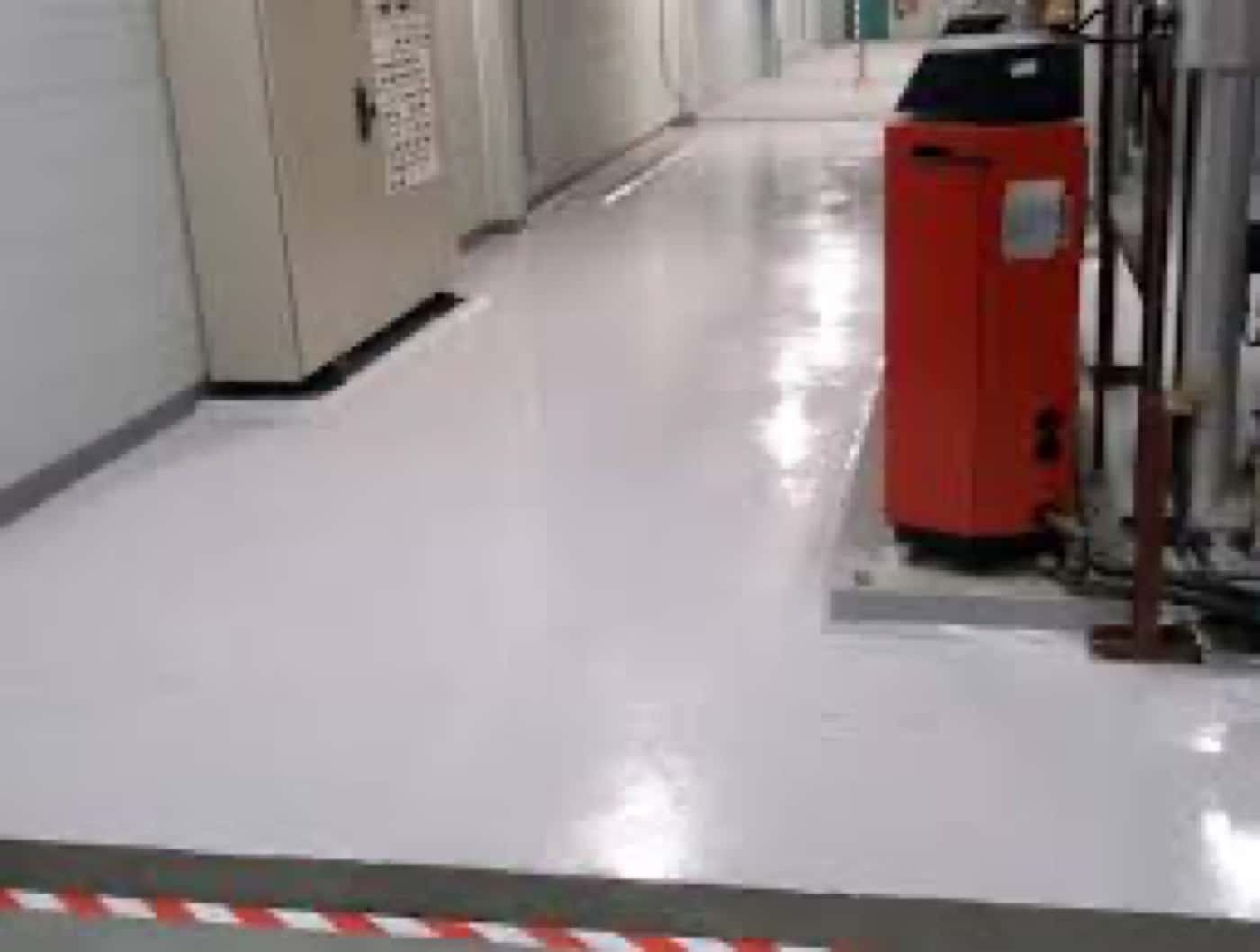
Concrete Repair & Chemical-Resistant Flooring
Concrete and masonry rebuilt and protected, plus chemical-resistant floors, bunds, and containment substrates.
- Rebuild and resurface degraded concrete and masonry.
- Install floors and bunds that resist chemical attack and traffic.
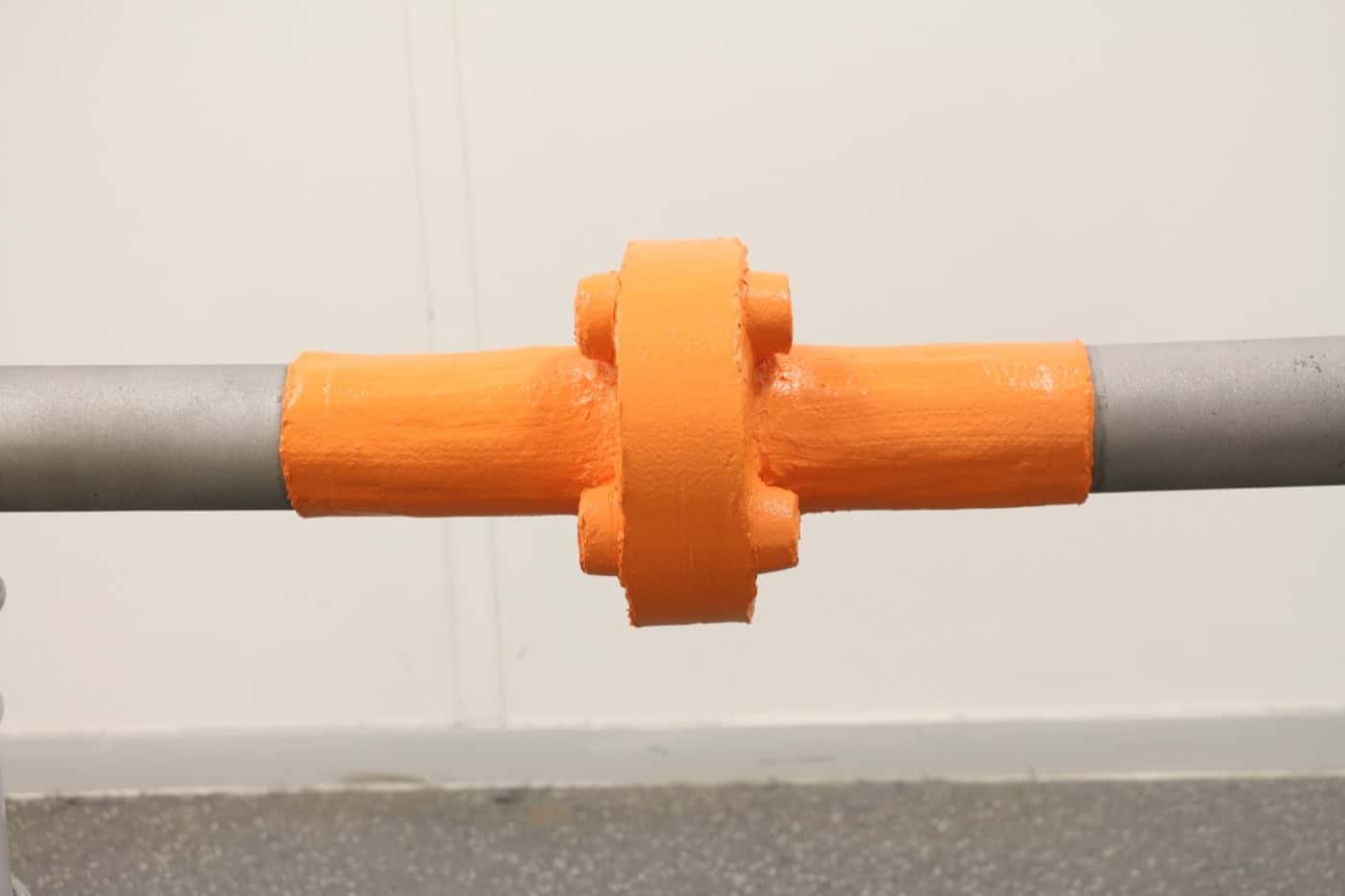
Corrosion Protection & Coatings
Long-term barrier and immersion coatings for metal in corrosive, immersed, buried, and splash-zone service.
- Protect metal in immersed, buried, and splash-zone service.
- Coat complex geometries that are hard to protect by other means.
Work AAS performs here
Worn aggregate, oil tracking, and process spills drop floors, stairs, and walkways below safe slip resistance and raise fall risk.
Learn more →Atmospheric corrosion protectionAirborne moisture, salts, and humidity corrode exposed equipment and new machinery before the original coating lasts a full service interval.
Learn more →Bund wall rebuild and liningBund walls spall from the inside out, exposing rebar and opening cold-joint cracks until the wall no longer holds its rated volume.
Learn more →Concrete and masonry repair and resurfacingSpalled slabs, cracked walls, and deep concrete loss expose rebar and weaken structures, channels, and openings across a plant.
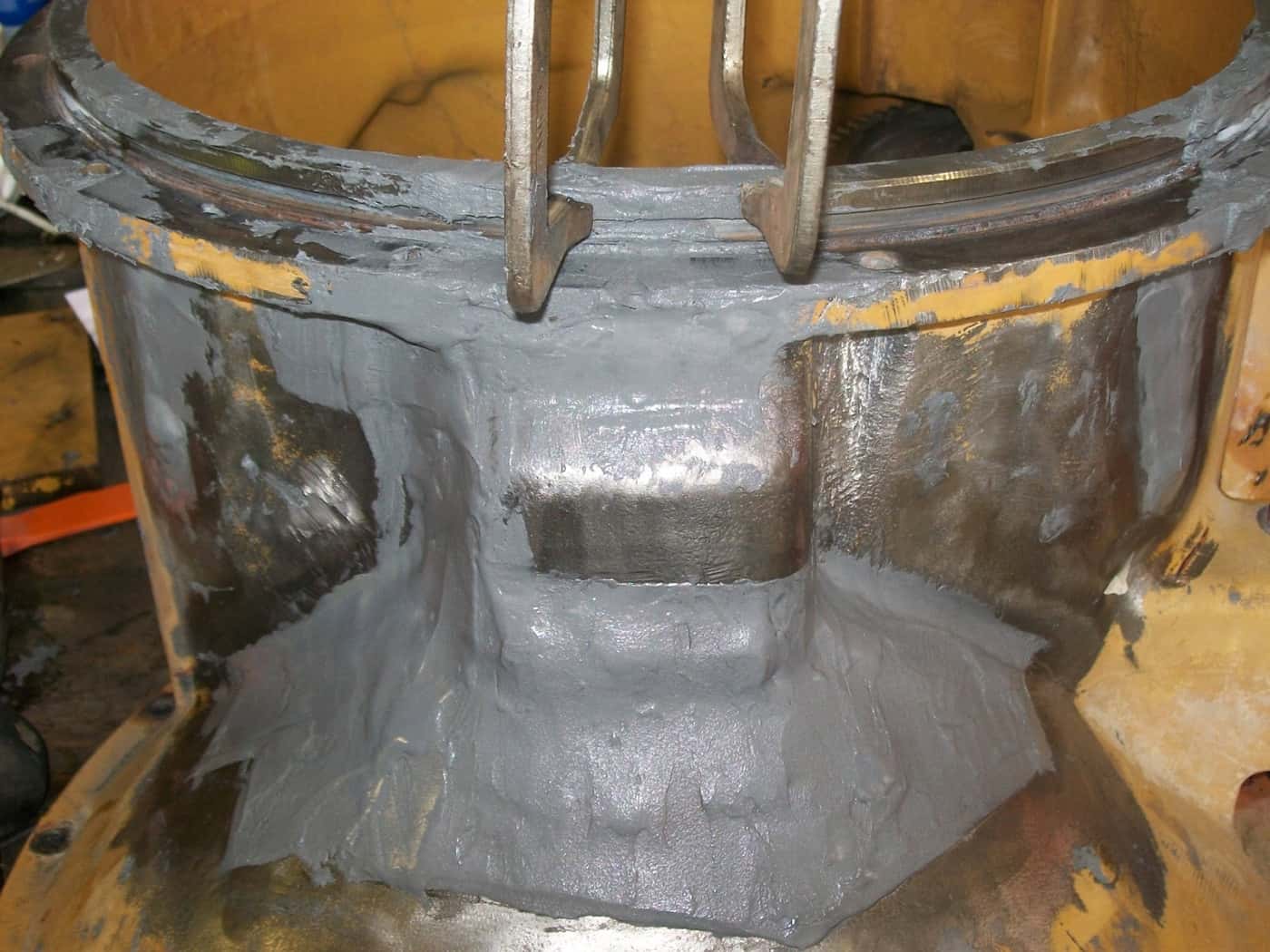
Learn more →Crack and hole repair on casings and equipmentWelding on pressure separators and code-stamped vessels triggers re-stamping, stress relief and thermal distortion that can cost more than the defect.
Learn more →Crack-bridging and detail reinforcementRoof cracks and high-movement detail areas keep working open under thermal cycling, splitting rigid coatings and reopening leak paths.
Learn more →Crane rail and track supportSteel shimming under crane rails leaves point contact that fatigues the rail and the supporting structure under wheel loads measured in tons.
Learn more →Decorative non-slip finishesPublic and front-of-house floors need slip resistance without the bare industrial look of standard grip coatings.
Learn more →Elevator pit concrete rebuild and sealingElevator pits collect groundwater, lubricant, and cleaning chemicals, spalling the concrete and pooling water near electrical components.
Learn more →ESD and static-dissipative flooringStatic charge builds on insulating floors near electronics or flammable atmospheres, risking equipment damage or ignition.
Learn more →Expansion and building joint sealingAged joint sealant loses adhesion at the substrate edge, so floor, wall, and walkway joints open and let water and debris into the structure.
Learn more →Exterior slab and sidewalk repairSidewalks and exterior slabs crack and spall each freeze-thaw cycle, widening into trip hazards and liability exposure on public and plant grounds.
Learn more →External pipework and tank corrosion protectionExternal corrosion attacks pipework, valves, fittings, and tank walls at supports, weld seams, and coating gaps until metal loss hits inspection limits.
Learn more →Food and beverage hygienic liningsTanks and troughs in food and beverage plants face daily caustic wash-down and hot CIP cycles that ordinary coatings cannot pass on audit.
Learn more →Gasket, seal, and shim castingIrregular flange faces and legacy machinery need gaskets, seals, and shims at thicknesses no catalog part matches.
Learn more →General metal-loss rebuilding compositesMetal loss from corrosion, erosion or pitting retires equipment once it reaches a code-trigger thickness, and weld build-up adds heat distortion.
Learn more →Gutter, flashing and roof-detail sealingGutter linings, parapet copings, and metal flashing details fail at dissimilar-material joints where movement and corrosion open a water path inside.
Learn more →Handrail anchor and fixture re-bondingCorroded or pulled-out handrail anchors and loose fixtures create fall hazards on stairs, walkways, and platforms where the socket has rusted out.
Learn more →HVAC duct and surface corrosion protectionCondensation pools at duct low points and joints, corroding HVAC ductwork from the inside out before the original coating lasts a building life cycle.
Learn more →Insulation jacketing and lagseal protectionInsulation cladding leaks at seams, support legs, and penetrations, letting water reach the pipe and hide active corrosion under the lagging.
Learn more →Liquid roof membrane and leak repairBuilt-up and single-ply roofs lose their seal at penetrations and seams under UV and thermal cycling, letting water reach the substrate.
Learn more →Low-friction pipe support linersPipes sliding across steel supports grind through coatings and trap moisture, driving corrosion and metal loss at every contact point.
Learn more →Machine base grouting and chockingVoids, distortion, and gaps under machine feet and pump bases feed vibration and misalignment back into rotating equipment.
Learn more →Machinery shimming and equipment reseatingSteel shims leave point contact under machine feet, so load transfers unevenly and equipment drifts out of alignment under load.
Learn more →Masonry waterproofing and protectionExterior masonry and building surfaces absorb water through porosity and cracks, driving spalling, staining, and freeze-thaw damage on the facade.
Learn more →Oil and transformer leak sealingOil leaks at transformer tanks, gearbox cases, and weld seams persist because the oil film stops conventional adhesives from setting.
Learn more →Potable-water concrete repairConcrete in drinking-water tanks and channels degrades, but any repair material has to be certified safe for contact with potable water.
Learn more →Potable-water tank liningInternal corrosion in drinking-water tanks and pump components forces a choice between costly replacement and a certified recoat.
Learn more →Process wall chemical-resistant liningProcess-area walls take splash, mist, and spill that ordinary paint cannot survive, especially at the floor-wall junction where product puddles.
Learn more →Rebar protection in concrete repairExposed reinforcing bar corrodes and expands, cracking surrounding concrete and driving repeat spalling if it is left untreated before a patch.
Learn more →Rubber fender and component repairImpact and abrasion tear dock fenders, skirting, and molded rubber parts faster than replacement parts can be sourced and shipped.
Learn more →Secondary and chemical containment liningPorous concrete and cracked joints let spilled acid, alkali, or process product travel through the bund and reach surrounding soil.
Learn more →SF6 gas leak sealingSF6 leaks at switchgear flanges and seals release an expensive insulating gas and degrade equipment reliability.
Learn more →Stone and masonry restorationWeathered stone, eroded mortar, and chipped decorative features lose detail and let water track into the masonry behind them.
Learn more →Structural metal bonding and component castingWelding to join or fabricate metal components introduces heat distortion, and catalog parts rarely match the dimension a worn assembly actually needs.
Learn more →Structural steel and handrail corrosion protectionWeather, condensation, and atmospheric corrosion strip paint or galvanizing from structural steel, handrails, supports, and skids at edges and welds.
Learn more →Upstand, joint, seam and protrusion weatherproofingUpstands, seams, joints, and roof protrusions concentrate movement and standing water, so they are the first details to leak on an otherwise sound roof.
Learn more →Warehouse and loading-bay floorsForklift wheel paths, loading-bay edges, and joint shoulders crater under constant traffic, breaking up the slab and slowing material handling.
Learn more →Have equipment that needs to stay in service?
Tell us what is failing. We respond quickly, and we offer 24-hour on-call service.