
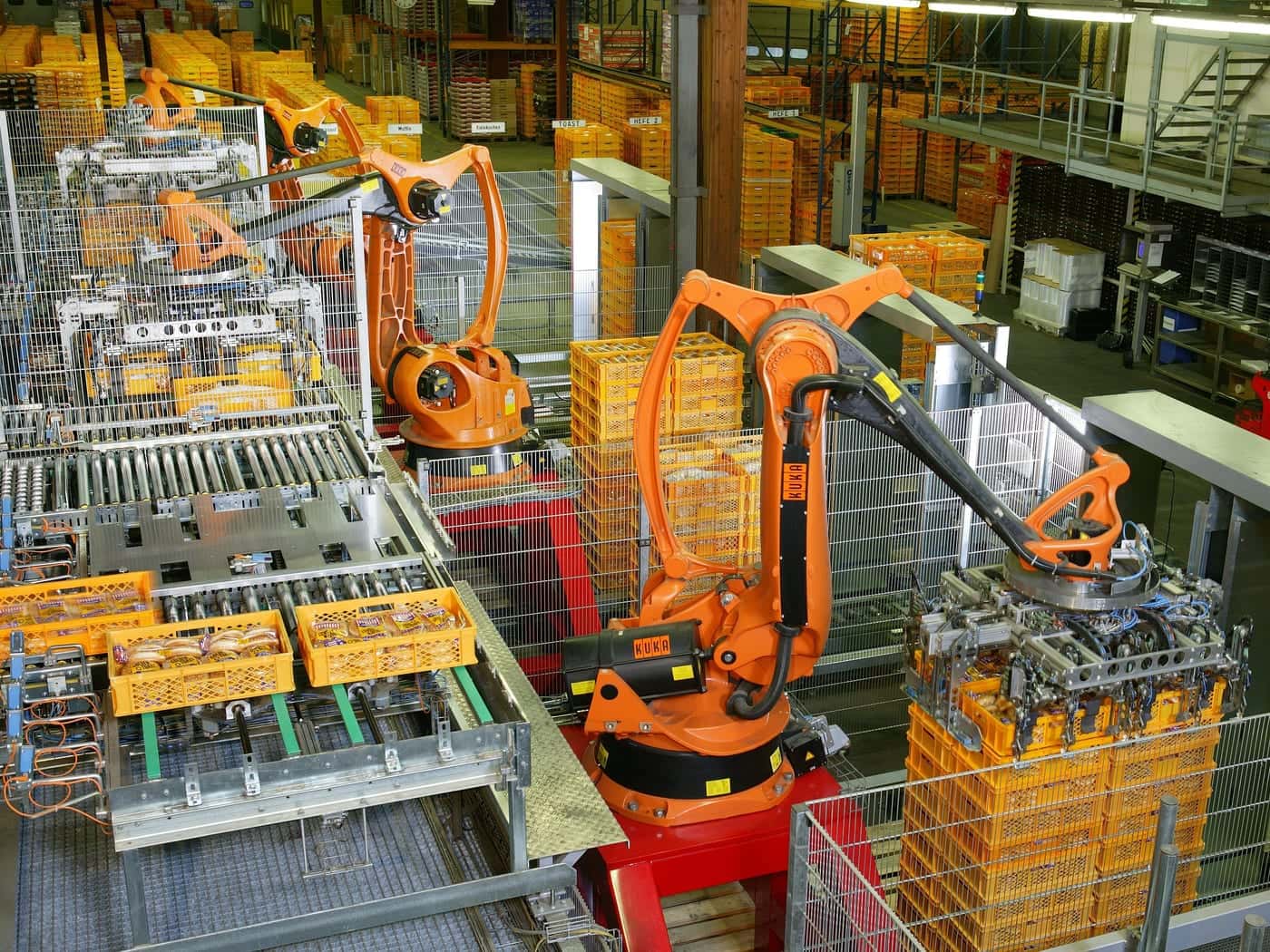
Manufacturing & General Industry Coating & Repair Services
Metal repair, machinery grouting, flooring, and anti-slip surfacing across general manufacturing operations.
AAS in Manufacturing & General Industry
A general manufacturing plant runs on machines that drift out of tolerance, bases that lose contact, floors that crater under traffic, and walkways that turn slick. None of those failures shut a line down cleanly. They bleed efficiency, throw vibration into rotating equipment, and put people at risk while the schedule keeps moving. AAS works the way a plant maintenance team needs. We rebuild worn metal, re-seat machinery, and resurface floors in place, on planned downtime, often inside a single shift. The crew has more than 25 years in the field and carries a 0.89 EMR. Our factory-trained and factory-certified Belzona applicators handle cold-cure repairs that skip hot work, weld distortion, and OEM lead times. When a failure cannot wait, our 24-hour on-call service covers Baton Rouge.
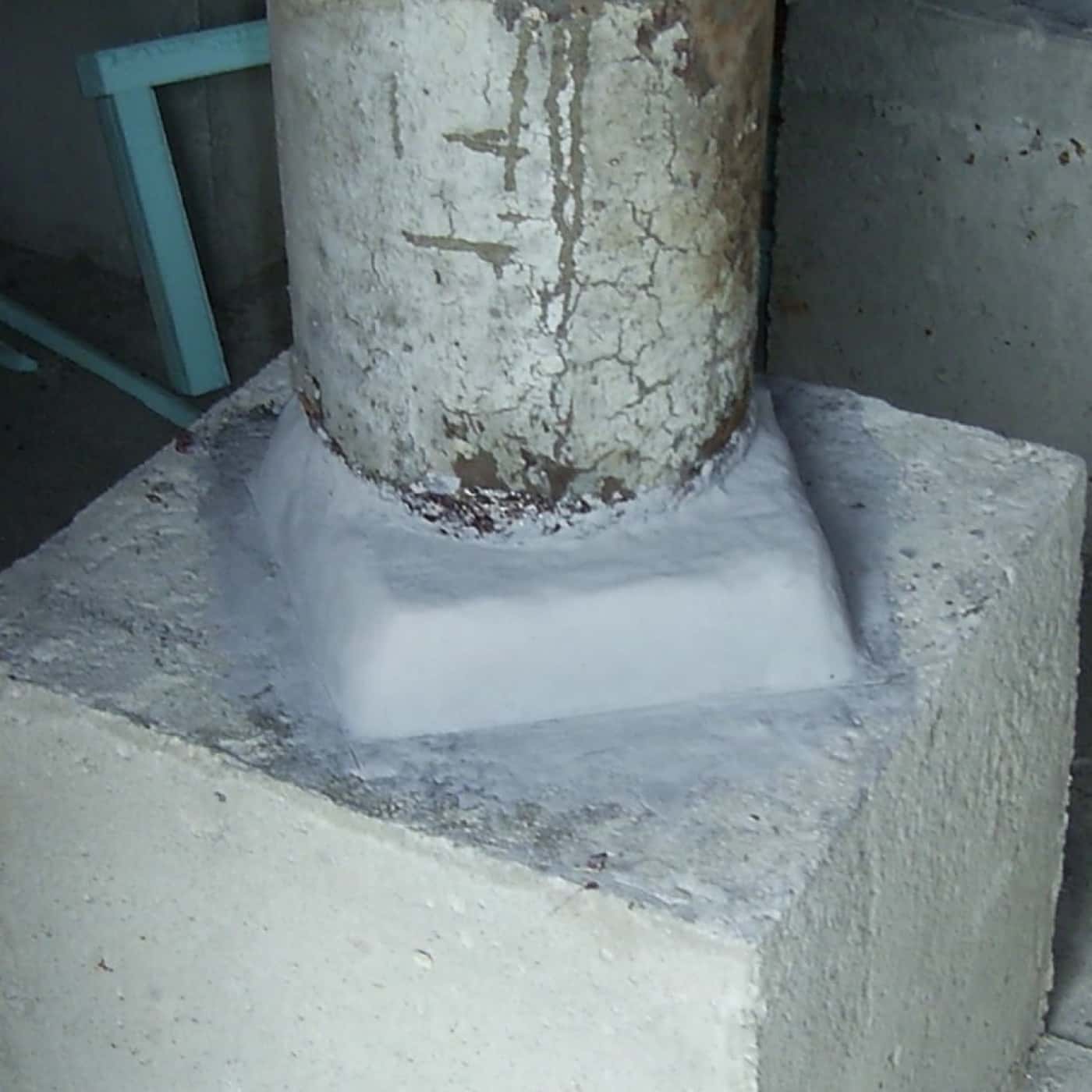
Rotating Equipment and Worn Metal
Equipment wears and loses tolerance long before the casing fails. Bearing bores go oval and journals and keyways hammer out. Pump impellers and casings lose their hydraulic profile to erosion-corrosion, and fan blades thin at the leading edge until the rotor unbalances. Welding back the lost metal adds a heat-affected zone, distorts slender rotors, and ties the part to a shop slot. AAS rebuilds these surfaces cold with metal-repair composites and machines them back to the original dimension. No heat distortion, and the part stays in the plant.
We rebuild bearing bores, bushing seats, and bearing housings, then re-chock them to alignment so the bearing seats to spec. We rebuild shaft journals and keyways and machine them to the specified diameter. On pumps and fans, we restore vane and blade geometry and overcoat with an erosion-resistant ceramic layer. The unit recommissions on its design curve. We also cold-bond structural cracks and holes in casings. We cast replacement components and gasket seals against the actual mating surface. A repair that would have triggered re-stamping or an OEM order is done in place.
Machine Bases, Grouting, and Alignment
Machinery bases lose contact and alignment over time. Voids, distortion, and gaps under machine feet and pump bases feed vibration straight back into the rotating equipment. Steel shims only make it worse, leaving point contact where there should be full bearing. That uneven load shortens coupling and seal life and pulls the machine off line.
AAS pours a cold-cure chocking compound that spreads across irregular concrete or steel and transfers load evenly across the full footprint. Equipment holds alignment without machining the foundation. We form load-bearing and insulating shims matched to the real mating surface, so alignment survives both physical and thermal cycling. For heavier service, we bed crane rails and wear plates to full contact. The track and the supporting structure carry the load without fatiguing at a point. The machine reseats true and stays there.
Floors, Containment, and High-Traffic Slabs
Plant floors crack and wear under traffic. Forklift wheel paths, loading-bay edges, and joint shoulders crater under constant load, breaking up the slab and slowing material handling. Spalled concrete exposes rebar, and expansion joints lose adhesion and open to water and debris. Process areas take acid, alkali, and spill that strip an ordinary topping and let product reach the substrate.
AAS rebuilds and resurfaces damaged concrete cold, from crack patching to bulk-fill deep repair. We reseal expansion and building joints with a compound that flexes as the joint moves. We resurface high-traffic floors and loading bays with a hard-wearing topping that reopens to forklift and pallet traffic within the shift. Where the floor takes chemical attack, we lay a chemical-resistant system over prepared concrete or steel. That system holds the worst-case spill and the impact load on top. We also line acid-retaining walls, drains, and channels so the structure holds the stream without breaking out the slab.
Walkways, Safety Surfacing, and Outcomes
Walkways and platforms become slippery as aggregate wears, oil tracks across the deck, and process spills drop the surface below safe slip resistance. That is a fall risk that grows every shift. AAS applies cold-cure safety-grip coatings to floors, stair treads, ramps, ladder rungs, and platform decks. The surfaces reopen to foot traffic the same shift. For visible and front-of-house areas, we match color in a finished non-slip surface. Where static is a hazard near electronics or flammable atmospheres, we install static-dissipative flooring that bleeds charge to ground.
The outcome across all of this is uptime. Metal goes back to tolerance, bases hold alignment, floors carry traffic, and walkways stay safe. All of it happens without hot work, weld distortion, or an OEM lead time. AAS does the prep, the repair, and the surfacing in place and on your turnaround schedule, with crews ready around the clock across Louisiana.
How AAS approaches it
The failures we see in Manufacturing & General Industry
These are the recurring problems across manufacturing & general industry plants. AAS addresses each in place, on turnaround schedules.
Capabilities used in Manufacturing & General Industry
The repair and protection work AAS performs most across this sector. Each links to the full capability.
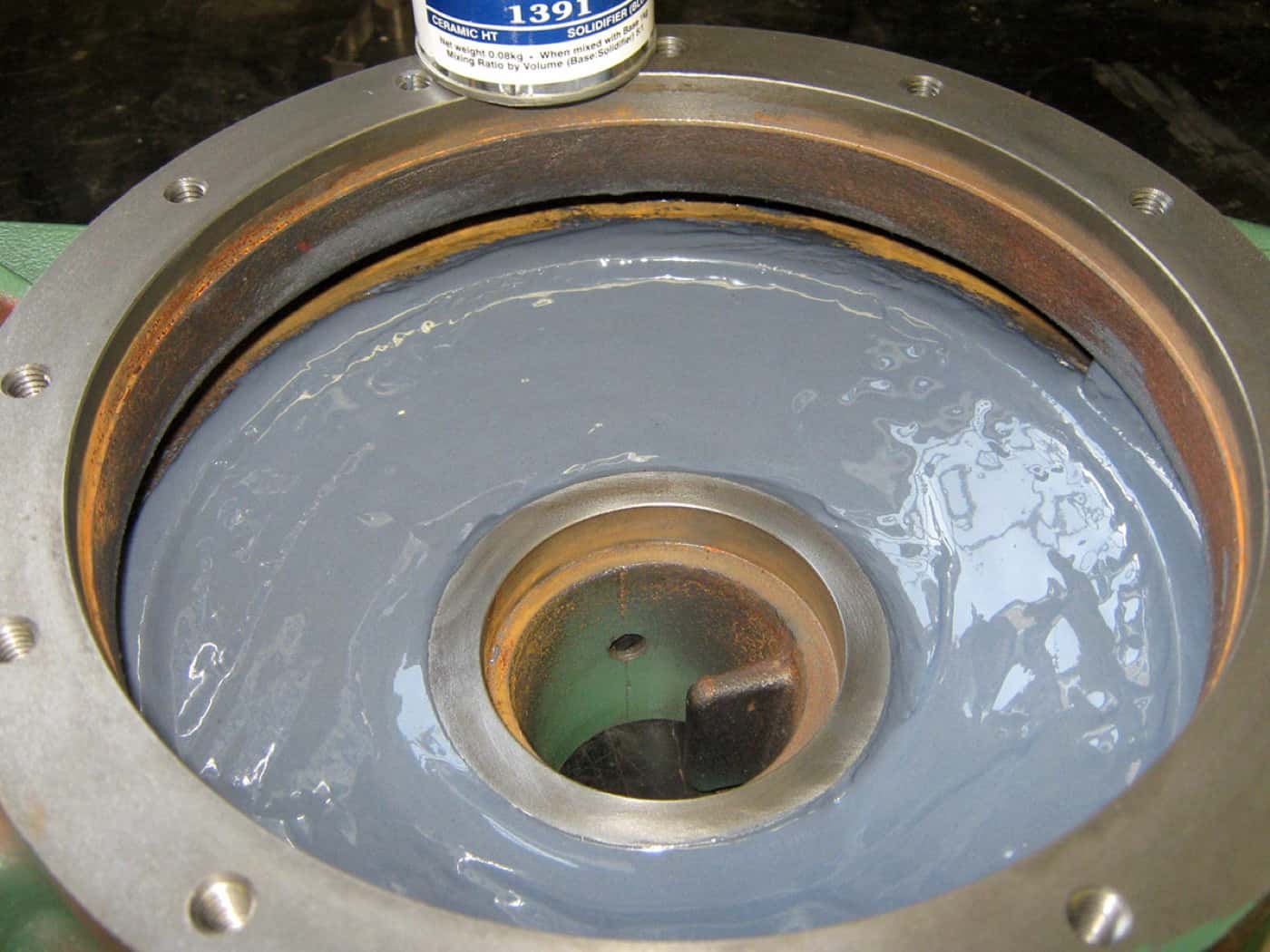
Metal Repair & Rebuilding
Worn, corroded, and damaged metal rebuilt to working dimensions in place, without replacement lead times.
- Rebuild worn and corroded metal in place, without replacement lead times.
- Restore equipment to working tolerances and efficiency.
- Cold-cure repairs avoid hot work and the permits that come with it.
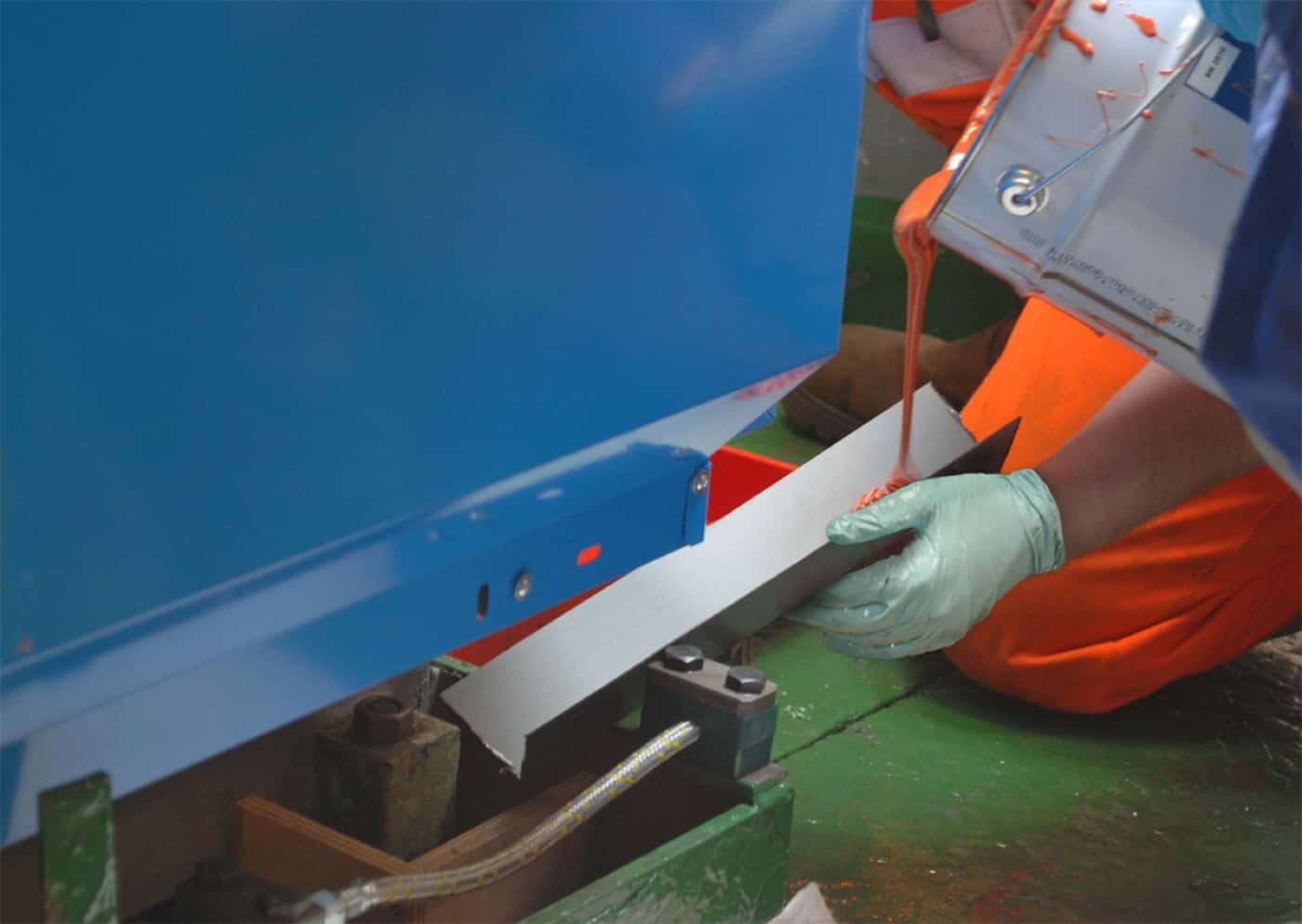
Chocking, Grouting & Alignment
Precision machinery chocking, baseplate grouting, soleplate setting, and load-bearing shims for rotating and reciprocating equipment.
- Set machine bases and baseplates into full, even contact.
- Grout skids and soleplates for stable, aligned equipment.
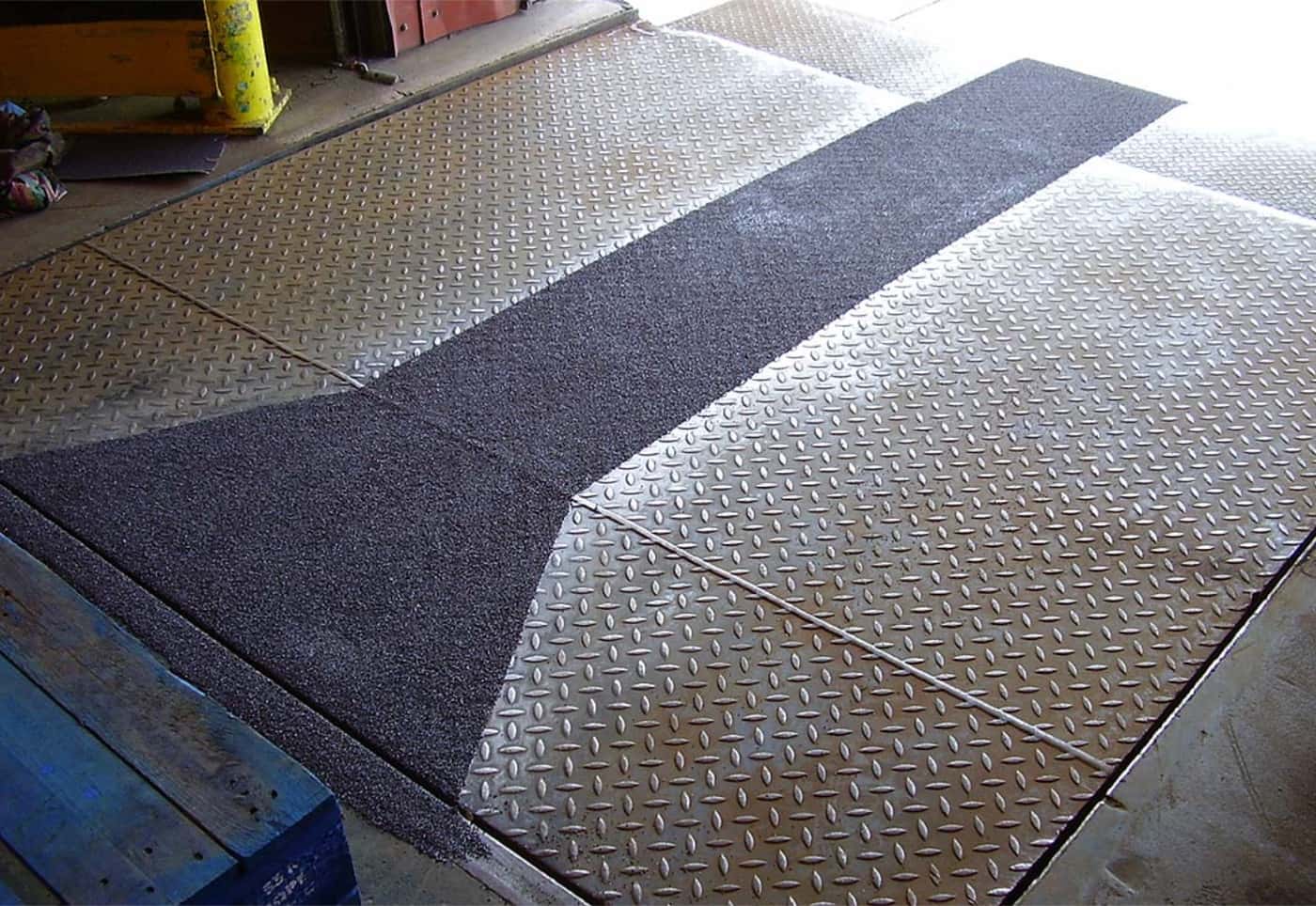
Anti-Slip Safety Flooring
Slip-resistant surfacing for walkways, stairs, platforms, ramps, and vehicle access points.
- Improve footing on walkways, stairs, platforms, and ramps.
- Surface wet and high-traffic areas for safer access.
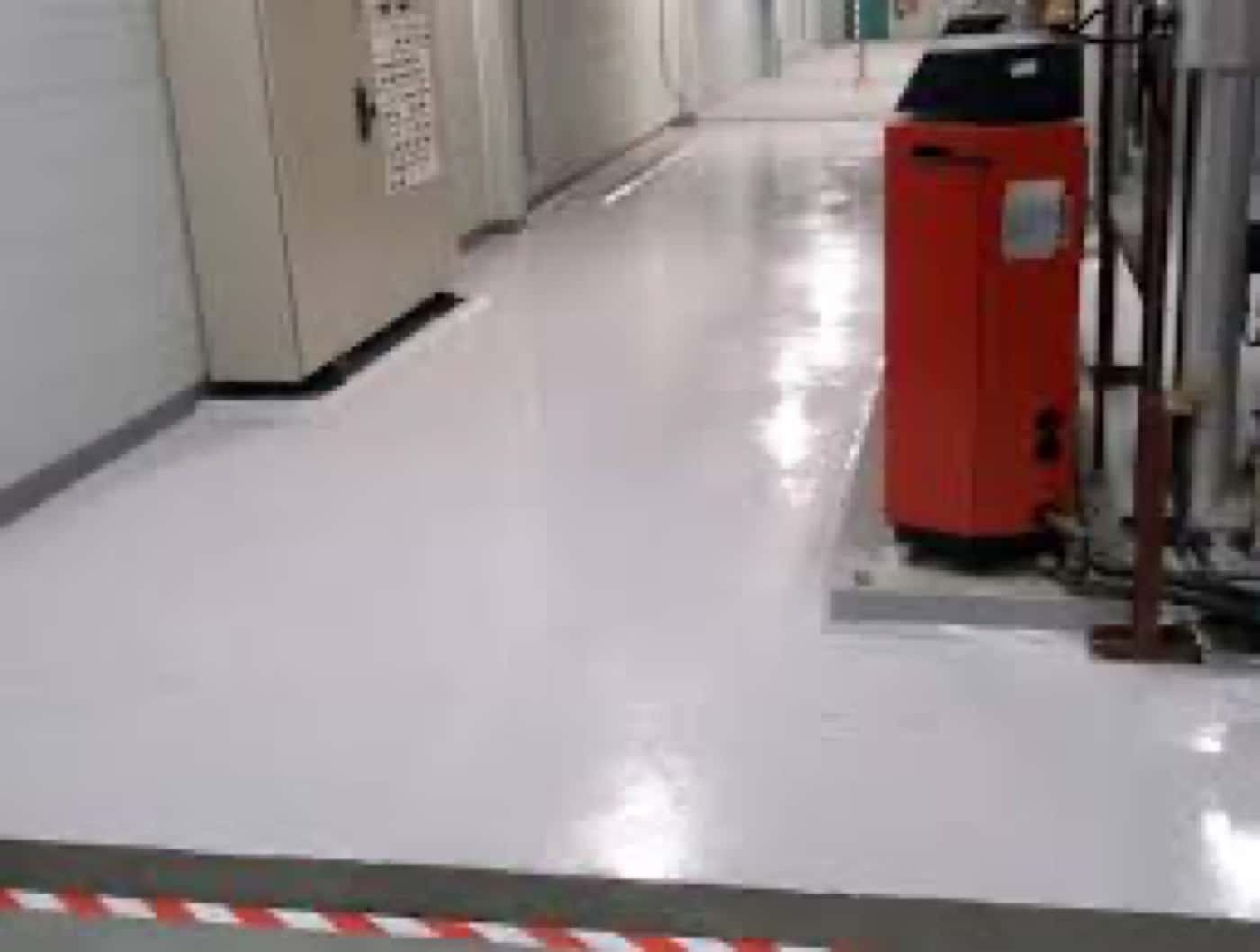
Concrete Repair & Chemical-Resistant Flooring
Concrete and masonry rebuilt and protected, plus chemical-resistant floors, bunds, and containment substrates.
- Rebuild and resurface degraded concrete and masonry.
- Install floors and bunds that resist chemical attack and traffic.
Work AAS performs here
Sliding and impact wear strips rubber linings off chutes, hoppers, and slurry equipment, exposing bare steel to fast metal loss.
Learn more →Acid-retaining walls, drains, and channelsAcid attack eats into retaining walls, drains, and channels, thinning concrete and opening leak paths into the substrate and surrounding ground.
Learn more →Anti-seize and component releaseBolted and threaded assemblies on hot equipment seize together, so the next overhaul means cutting parts free instead of unfastening them.
Learn more →Anti-slip walkways and access surfacesWorn aggregate, oil tracking, and process spills drop floors, stairs, and walkways below safe slip resistance and raise fall risk.
Learn more →Atmospheric corrosion protectionAirborne moisture, salts, and humidity corrode exposed equipment and new machinery before the original coating lasts a full service interval.
Learn more →Chemical storage tank liningsStored chemicals attack tank floors and the floor-to-shell weld, thinning steel where stagnant product settles and the old lining has worn through.
Learn more →Chemical-resistant industrial floorsProcess floors and containment areas take acid, alkali, and mechanical attack that strips ordinary toppings and lets product reach the substrate.
Learn more →Chute, hopper and transfer-point abrasion liningSliding bulk material wears through chutes, hoppers, silos, and mill liners faster than any replacement cycle can keep up with.
Learn more →Compressor, engine and gearbox casing repairBearing-bore wear, split-line distortion and oil-leak paths at gasket faces retire compressor, engine and gearbox housings before the internals wear out.
Learn more →Concrete and masonry repair and resurfacingSpalled slabs, cracked walls, and deep concrete loss expose rebar and weaken structures, channels, and openings across a plant.
Learn more →Conveyor belt repairGouges, rips, and worn top covers on conveyor belts let cargo escape and spread until the belt is scrapped or the line stops.
Learn more →Corrosion under insulation preventionWet insulation traps moisture against hot pipe and vessel walls, driving hidden corrosion that inspectors only find once metal loss is severe.
Learn more →Crack and hole repair on casings and equipmentWelding on pressure separators and code-stamped vessels triggers re-stamping, stress relief and thermal distortion that can cost more than the defect.
Learn more →Crack-bridging and detail reinforcementRoof cracks and high-movement detail areas keep working open under thermal cycling, splitting rigid coatings and reopening leak paths.
Learn more →Crane rail and track supportSteel shimming under crane rails leaves point contact that fatigues the rail and the supporting structure under wheel loads measured in tons.
Learn more →Decorative non-slip finishesPublic and front-of-house floors need slip resistance without the bare industrial look of standard grip coatings.
Learn more →ESD and static-dissipative flooringStatic charge builds on insulating floors near electronics or flammable atmospheres, risking equipment damage or ignition.
Learn more →Evaporator, de-aerator and autoclave liningEvaporators, de-aerators, and autoclaves run hot and wet, so conventional linings break down and the shell corrodes at welds and tube zones.
Learn more →Expansion and building joint sealingAged joint sealant loses adhesion at the substrate edge, so floor, wall, and walkway joints open and let water and debris into the structure.
Learn more →Exterior slab and sidewalk repairSidewalks and exterior slabs crack and spall each freeze-thaw cycle, widening into trip hazards and liability exposure on public and plant grounds.
Learn more →Fan blade and deflector erosion protectionParticle-laden gas streams erode fan blade leading edges, tips, and deflectors, dropping airflow and unbalancing the rotor over a single campaign.
Learn more →Gasket, seal, and shim castingIrregular flange faces and legacy machinery need gaskets, seals, and shims at thicknesses no catalog part matches.
Learn more →General metal-loss rebuilding compositesMetal loss from corrosion, erosion or pitting retires equipment once it reaches a code-trigger thickness, and weld build-up adds heat distortion.
Learn more →Gutter, flashing and roof-detail sealingGutter linings, parapet copings, and metal flashing details fail at dissimilar-material joints where movement and corrosion open a water path inside.
Learn more →Handrail anchor and fixture re-bondingCorroded or pulled-out handrail anchors and loose fixtures create fall hazards on stairs, walkways, and platforms where the socket has rusted out.
Learn more →High-temperature equipment liningEquipment running well above ambient strips standard immersion linings, exposing bare steel to corrosion and process attack.
Learn more →Hot vessel and pipework in-situ coatingTanks, vessels, and pipework running hot cannot be cooled or drained, so conventional linings that need an ambient substrate never get applied.
Learn more →HVAC duct and surface corrosion protectionCondensation pools at duct low points and joints, corroding HVAC ductwork from the inside out before the original coating lasts a building life cycle.
Learn more →Liquid roof membrane and leak repairBuilt-up and single-ply roofs lose their seal at penetrations and seams under UV and thermal cycling, letting water reach the substrate.
Learn more →Machinery shimming and equipment reseatingSteel shims leave point contact under machine feet, so load transfers unevenly and equipment drifts out of alignment under load.
Learn more →Masonry waterproofing and protectionExterior masonry and building surfaces absorb water through porosity and cracks, driving spalling, staining, and freeze-thaw damage on the facade.
Learn more →Oil and transformer leak sealingOil leaks at transformer tanks, gearbox cases, and weld seams persist because the oil film stops conventional adhesives from setting.
Learn more →On-site flange face and nozzle insert repairHeat cycling, gasket-witness machining and dropped tools deform flange faces and corrode nozzle sleeves, so the line leaks and stays out of service.
Learn more →Pipe and tank leak sealingPinholes, through-wall defects, and corrosion pits open leak paths in pipe and tank walls, often on wet or oil-contaminated steel.
Learn more →Plain bearing, bushing and bearing-housing repairWorn bearing bores, fretted bushing seats and vibration-loosened housings shift the rotating axis and shorten coupling and seal life.
Learn more →Plastic and rubber pipe repairCracks, splits, and worn sections in plastic and rubber pipe leak product and resist conventional metal repair methods.
Learn more →Process wall chemical-resistant liningProcess-area walls take splash, mist, and spill that ordinary paint cannot survive, especially at the floor-wall junction where product puddles.
Learn more →Pump impeller and casing rebuildingErosion-corrosion and cavitation reshape impeller vanes and casing profiles, pulling the pump off its head curve and cutting efficiency.
Learn more →Rotating equipment repair and efficiency restorationFlow-induced metal loss exposes fresh steel that the process chemistry then attacks, dropping the efficiency of pumps, fans and turbines.
Learn more →Rubber fender and component repairImpact and abrasion tear dock fenders, skirting, and molded rubber parts faster than replacement parts can be sourced and shipped.
Learn more →Rubber roller and drive-roller recoveringGlazed, worn, or torn roller covers lose grip and traction, causing slip, mistracking, and dropped throughput on drive and feed rollers.
Learn more →Slurry pump and impeller wear protectionAbrasive slurry erodes pump impellers, casings, agitators, and mixer blades, pulling the unit off its head curve and dropping efficiency.
Learn more →Structural metal bonding and component castingWelding to join or fabricate metal components introduces heat distortion, and catalog parts rarely match the dimension a worn assembly actually needs.
Learn more →Structural steel and handrail corrosion protectionWeather, condensation, and atmospheric corrosion strip paint or galvanizing from structural steel, handrails, supports, and skids at edges and welds.
Learn more →Upstand, joint, seam and protrusion weatherproofingUpstands, seams, joints, and roof protrusions concentrate movement and standing water, so they are the first details to leak on an otherwise sound roof.
Learn more →Warehouse and loading-bay floorsForklift wheel paths, loading-bay edges, and joint shoulders crater under constant traffic, breaking up the slab and slowing material handling.
Learn more →Wear plate and bar protectionWear plates and bars in chutes, crushers, and handling equipment lose thickness to impact and sliding abrasion, then sit loose against an irregular backing.
Learn more →Wear-plate seating and load-transfer shimsWear plates and bars sit on irregular backing, so steel shims leave point contact that distorts the plate within a single shift.
Learn more →Worn shaft, journal and keyway rebuildingKeyway hammering, journal scoring and worn shaft seats leave the press-fit oversized and the journal undersized for its sleeve.
Learn more →Have equipment that needs to stay in service?
Tell us what is failing. We respond quickly, and we offer 24-hour on-call service.