
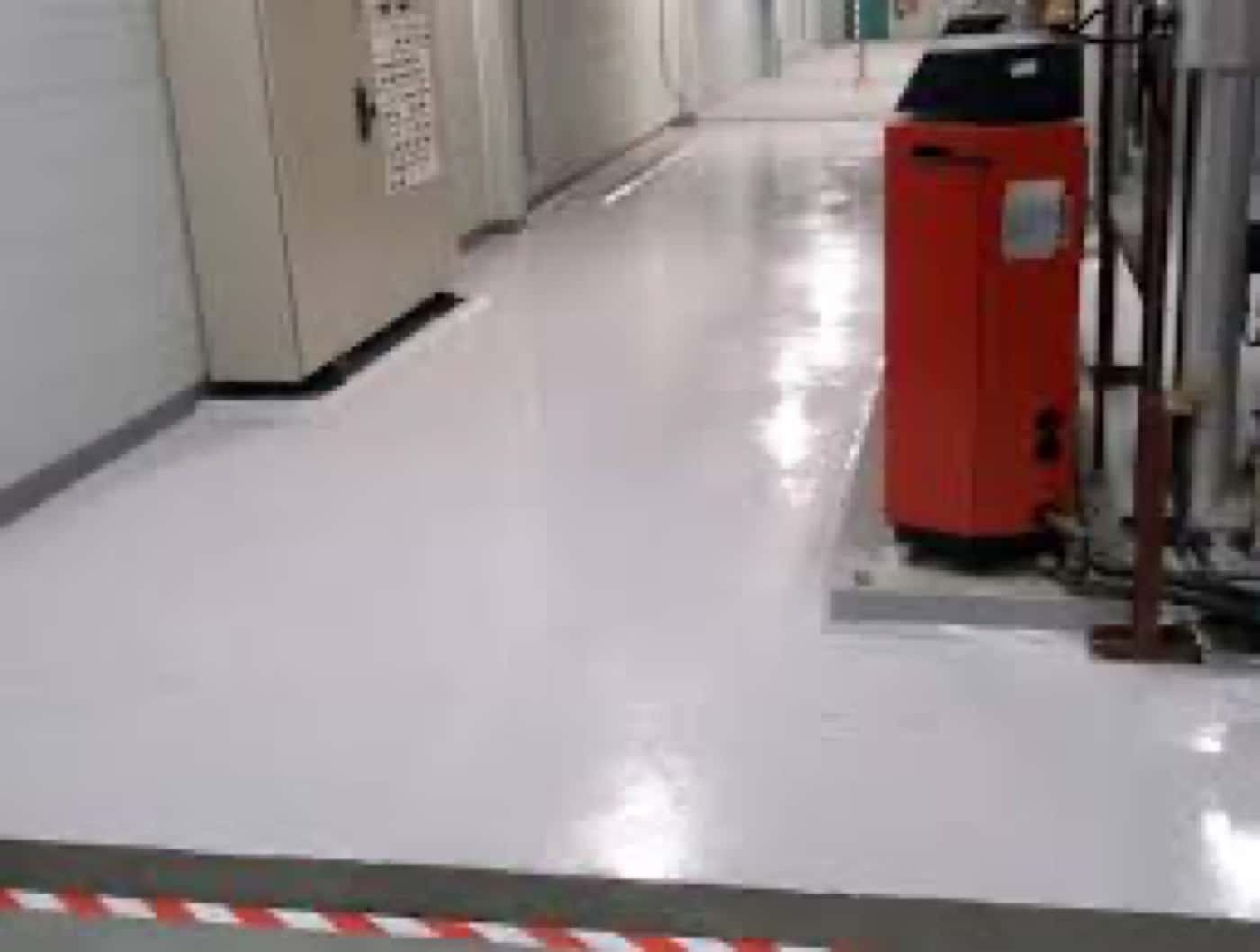
Concrete Repair & Chemical-Resistant Flooring
Concrete and masonry rebuilt and protected, plus chemical-resistant floors, bunds, and containment substrates.
What Concrete & Flooring involves
A spalled slab does not announce itself until a forklift drops a wheel into it or an acid drain starts weeping into the ground beneath your unit. By then the maintenance buyer faces a bad set of choices. Break out and recast the concrete, which means demolition, cure time, and a line down for days. Or patch it with material that the next caustic wash or freeze-thaw cycle strips right back off. AAS works the third path. We are factory-trained and factory-certified Belzona applicators based in Baton Rouge, with more than 25 years rebuilding and protecting industrial concrete across Louisiana. We prepare the substrate, rebuild what is gone, and lay down a floor, bund, or lining matched to the chemistry and the traffic it has to survive. The structure stays where it is. The unit comes back faster.
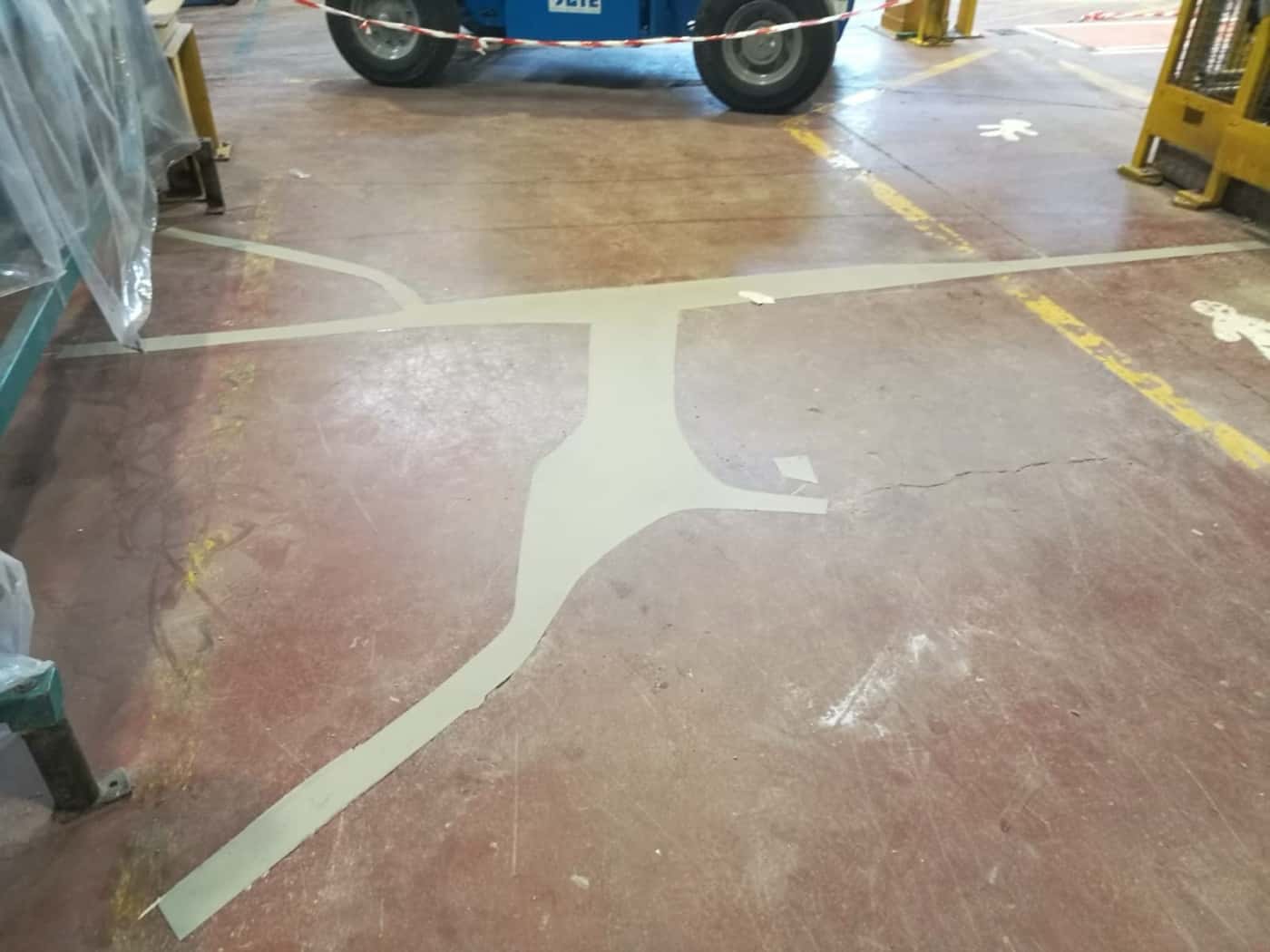
Degraded slabs, walls, and exposed rebar rebuilt in place
Most concrete jobs start with loss. Spalled slabs, cracked walls, and deep voids expose rebar and weaken floors, channels, and openings across a plant. Once reinforcing bar is exposed it corrodes and swells. That swelling cracks the surrounding concrete and drives the next round of spalling. A patch over rusty steel buys you weeks, not years.
AAS rebuilds and resurfaces damaged concrete cold, from crack patching to bulk-fill deep repair, using the Belzona 4000 Series of cold-cure compounds. Where rebar is exposed, the crew cleans the steel and primes it before rebuilding the cover. That stops the corrosion cycle that caused the original spall. We restore weathered stone and decorative masonry to the original profile. We reseal expansion and building joints with a flexible compound that bonds to concrete, stone, and brick and flexes with the joint. No breaking out, no recasting, no waiting on a fresh pour to cure.
Chemical-resistant floors, bunds, and acid containment
Process areas and containment zones take punishment that ordinary toppings cannot answer. Acid, alkali, and mechanical attack strip the floor and let product reach the substrate. Acid eats into retaining walls, drains, and channels. It thins the concrete and opens leak paths into the ground around the unit. Bund walls spall from the inside out, expose rebar, and lose the rated volume they are supposed to hold.
AAS lays a chemical-resistant floor system over prepared concrete or steel, sized to the worst-case spill chemistry and the forklift and impact load on top. We line acid-retaining walls, drains, and channels so the structure holds the acid stream without breaking out the slab. On bunds, the crew rebuilds the spalled face, caps it with a barrier coating, and adds a chemical-resistant overlay where the service calls for it. We can match the system to the exposure, including hot acid service. Where the concrete contacts drinking water, we repair and coat with materials certified safe for potable-water contact, so the tank or channel returns inside the utility's planned outage.
Traffic floors and facility surfaces back in service the same shift
Concrete that carries traffic fails where the traffic concentrates. Forklift wheel paths, loading-bay edges, and joint shoulders crater under constant load. The slab breaks up and material handling slows. Outdoors, sidewalks and exterior slabs crack and spall each freeze-thaw cycle and widen into trip hazards and liability. Elevator pits collect groundwater, lubricant, and cleaning chemicals that pool near electrical components.
AAS rebuilds worn loading bays and resurfaces high-traffic floors with a hard-wearing topping, and the bay reopens to forklift and pallet traffic within the shift. Exterior slabs and sidewalks get a weather-durable composite that bonds to damp concrete and reopens within hours. Spalled elevator pits get rebuilt and sealed with a chemical-resistant lining, and the car returns to service inside a maintenance day.
Outcomes: less downtime, longer asset life, no hot work
Every one of these repairs is cold-cure work. There is no welding, no hot-work permit, and no heat soak on a structure that has to keep its shape. That matters most in live process areas where a flame is the last thing you want near the product.
The payoff shows up on the maintenance schedule. Floors and bunds return to service in a shift or a planned outage instead of a multi-day recast. Rebar gets protected before it spalls the patch off, so the repair holds and the asset earns more years before it needs capital replacement. Acid stays in the channel, product stays in the bund, and water stays out of the pit. AAS prepares it, rebuilds it, and protects it, then the crew hands the unit back working. Twenty-four-hour on-call service covers the failures that do not wait for the next outage, and our safety record reflects a crew that gets the work done without incident.
Identify, engineer, and provide the fix
AAS works cold-applied: no hot work and no hot-work permits to remove or install. Most repairs happen in service or on a planned turnaround, without the permitting burden and downtime that hot work brings.
Identify
We are on call 24 hours and work with your engineering team to identify the problem and what is driving it.
Engineer the solution
We develop the repair, both engineered and non-engineered solutions, matched to the conditions the asset actually sees.
Provide products and services
We deliver what it takes to solve it: factory-trained, NACE-certified applicator support and turnkey services as requested, in-house, in the field, and in a controlled shop environment through Advanced Applications Specialists.
Applications in Concrete & Flooring
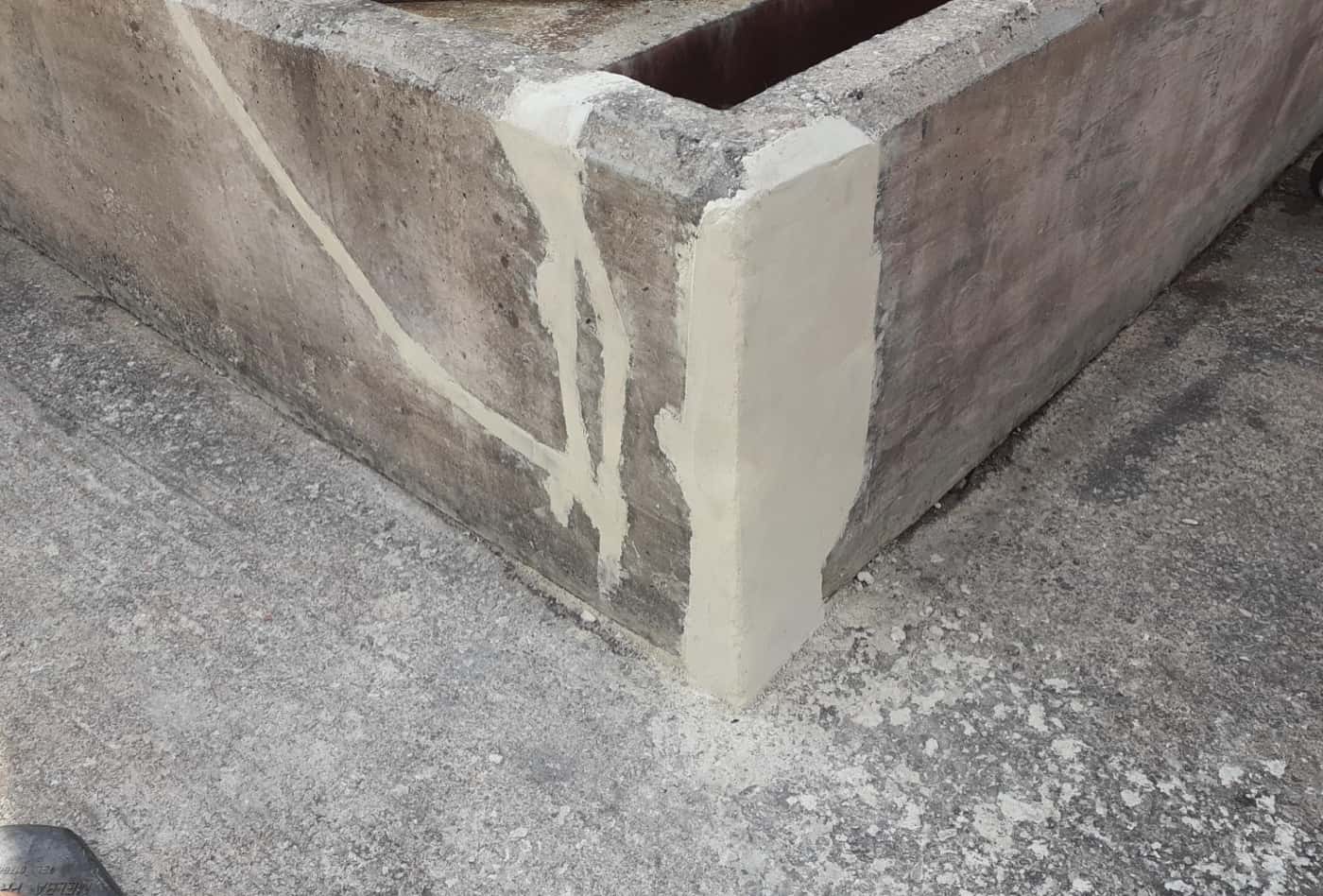
Acid-retaining walls, drains, and channels
Acid attack eats into retaining walls, drains, and channels, thinning concrete and opening leak paths into the substrate and surrounding ground.
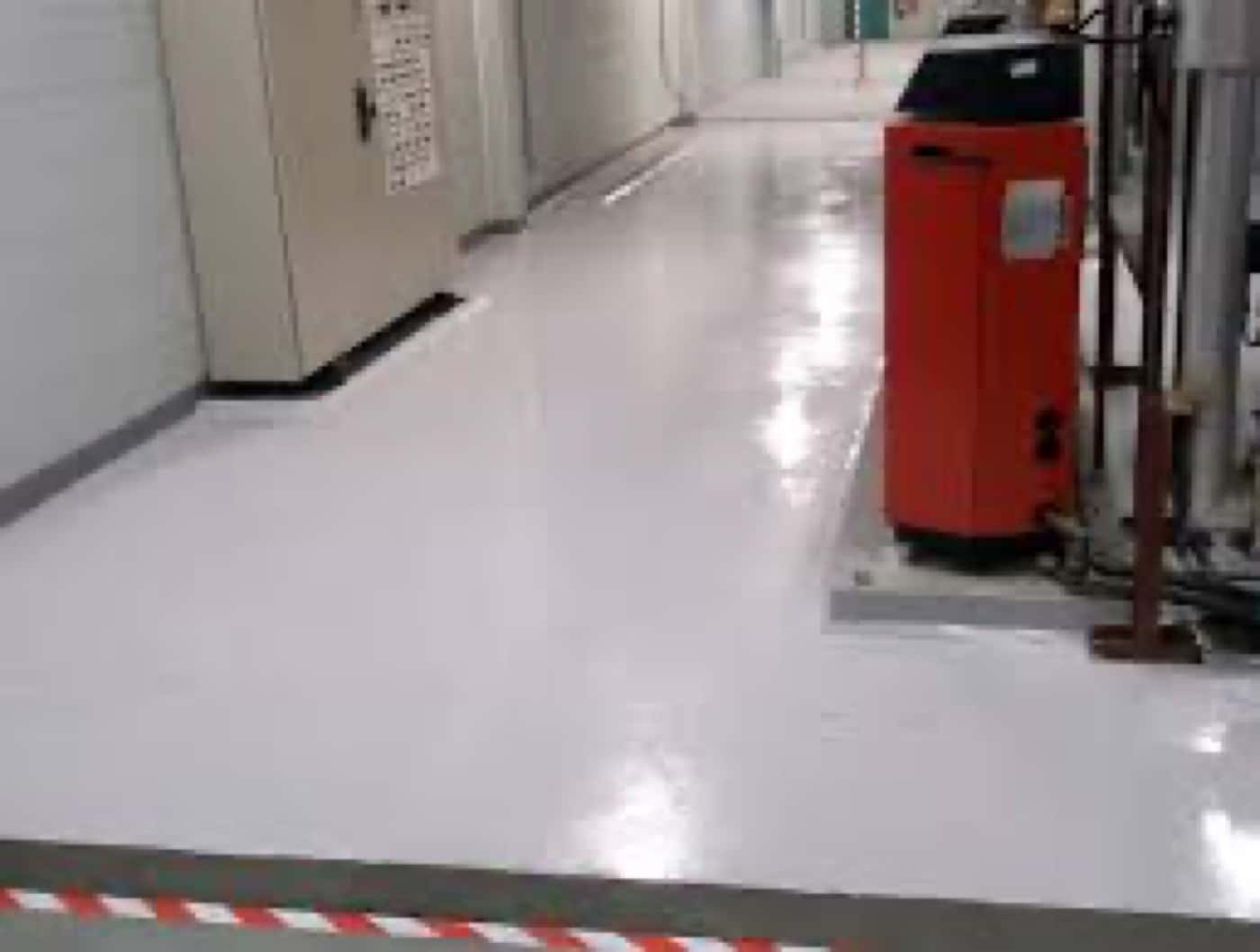
Chemical-resistant industrial floors
Process floors and containment areas take acid, alkali, and mechanical attack that strips ordinary toppings and lets product reach the substrate.
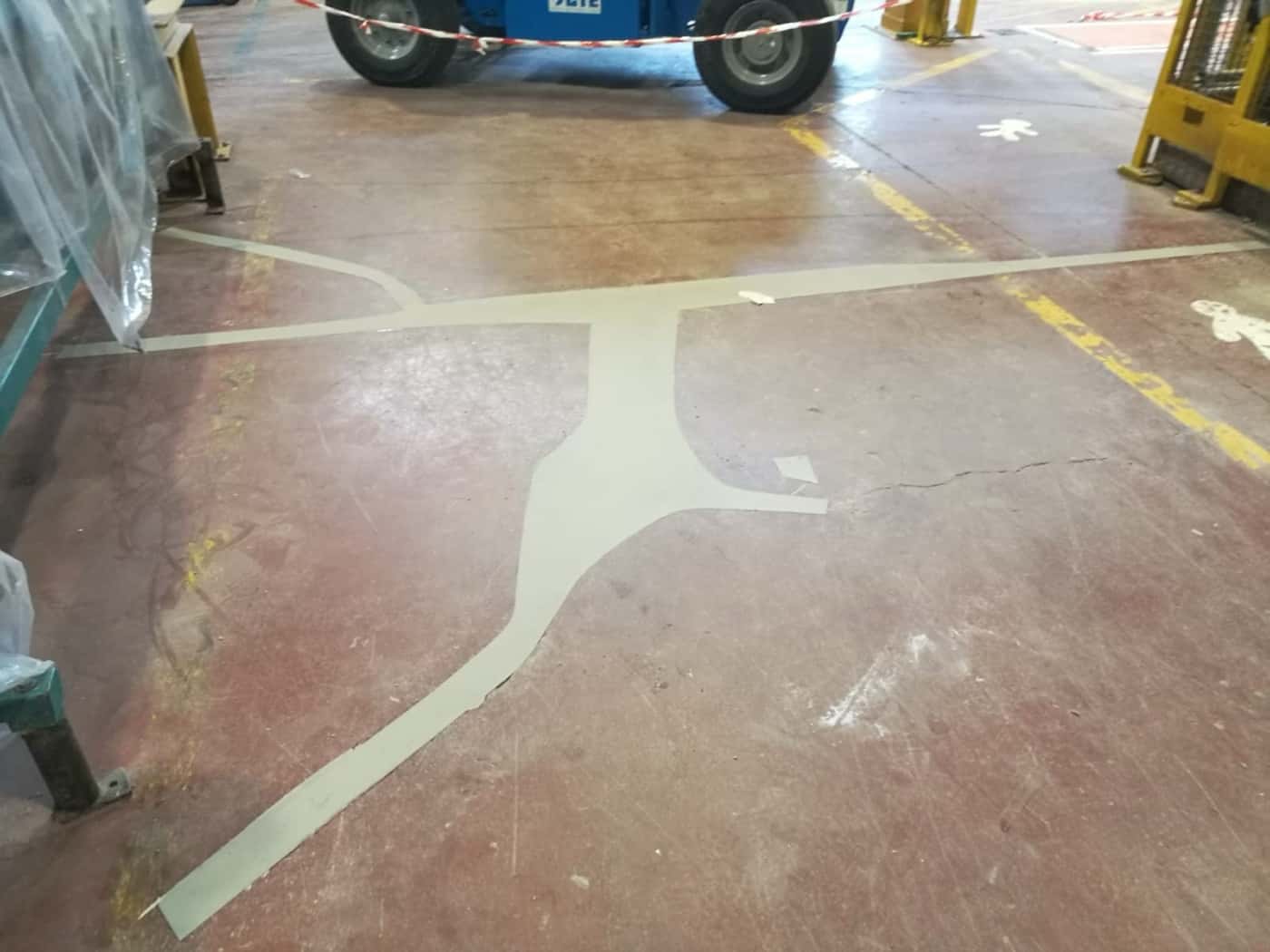
Concrete and masonry repair and resurfacing
Spalled slabs, cracked walls, and deep concrete loss expose rebar and weaken structures, channels, and openings across a plant.
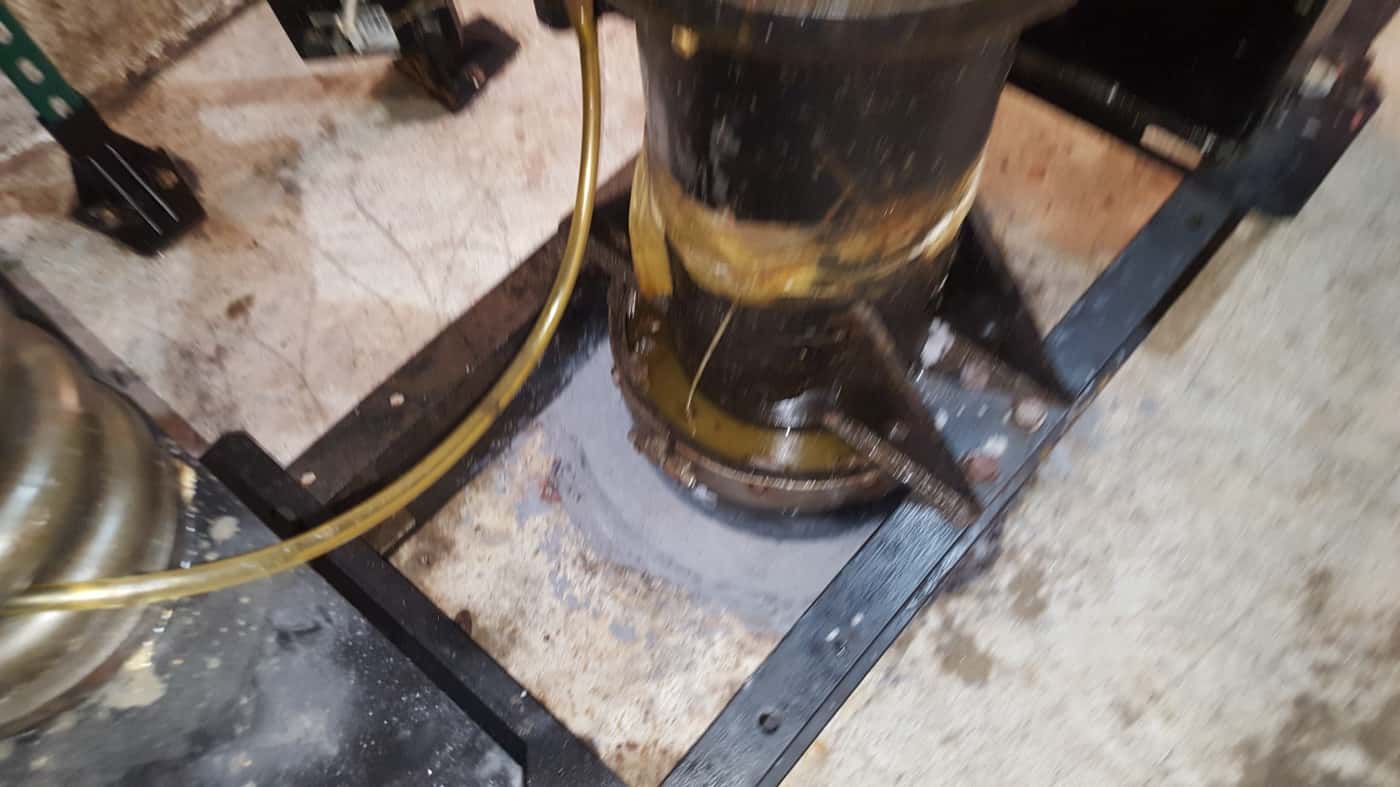
Elevator pit concrete rebuild and sealing
Elevator pits collect groundwater, lubricant, and cleaning chemicals, spalling the concrete and pooling water near electrical components.
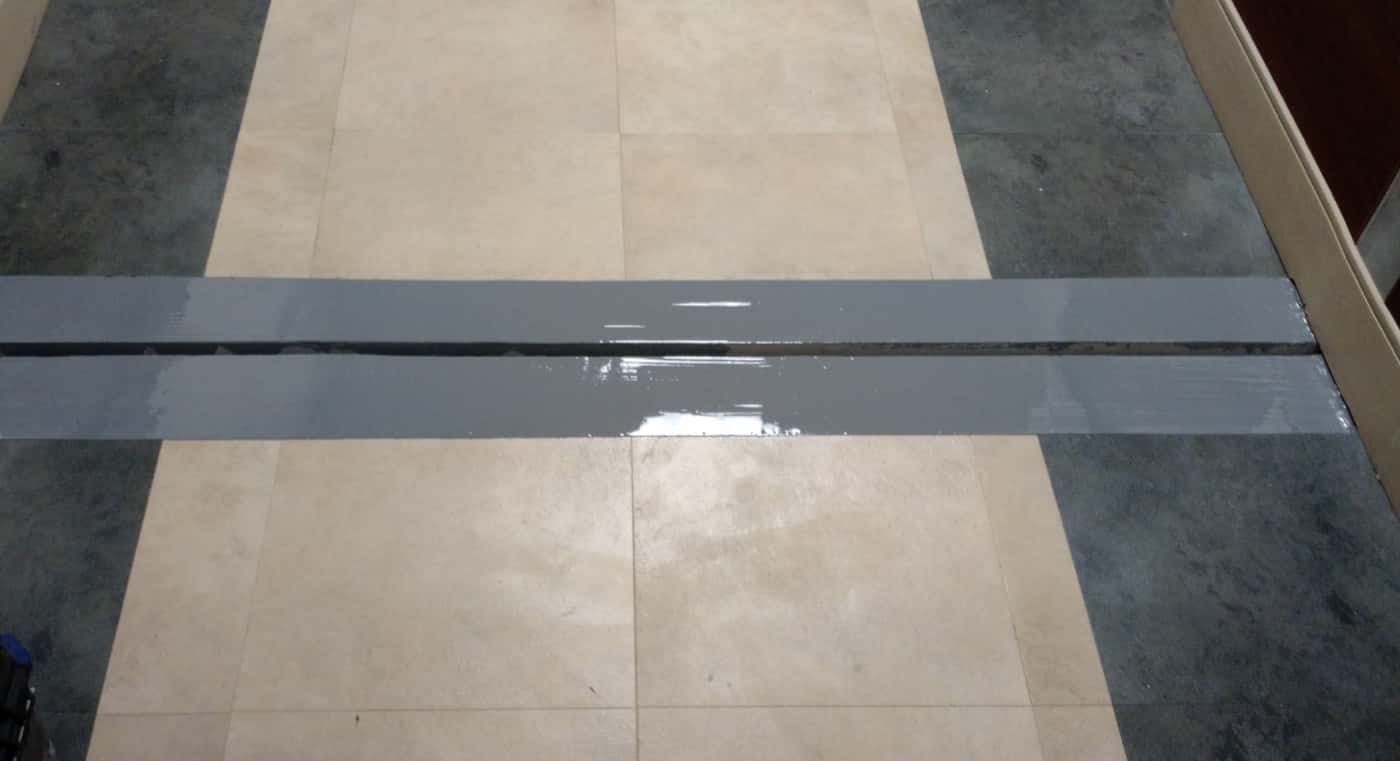
Expansion and building joint sealing
Aged joint sealant loses adhesion at the substrate edge, so floor, wall, and walkway joints open and let water and debris into the structure.
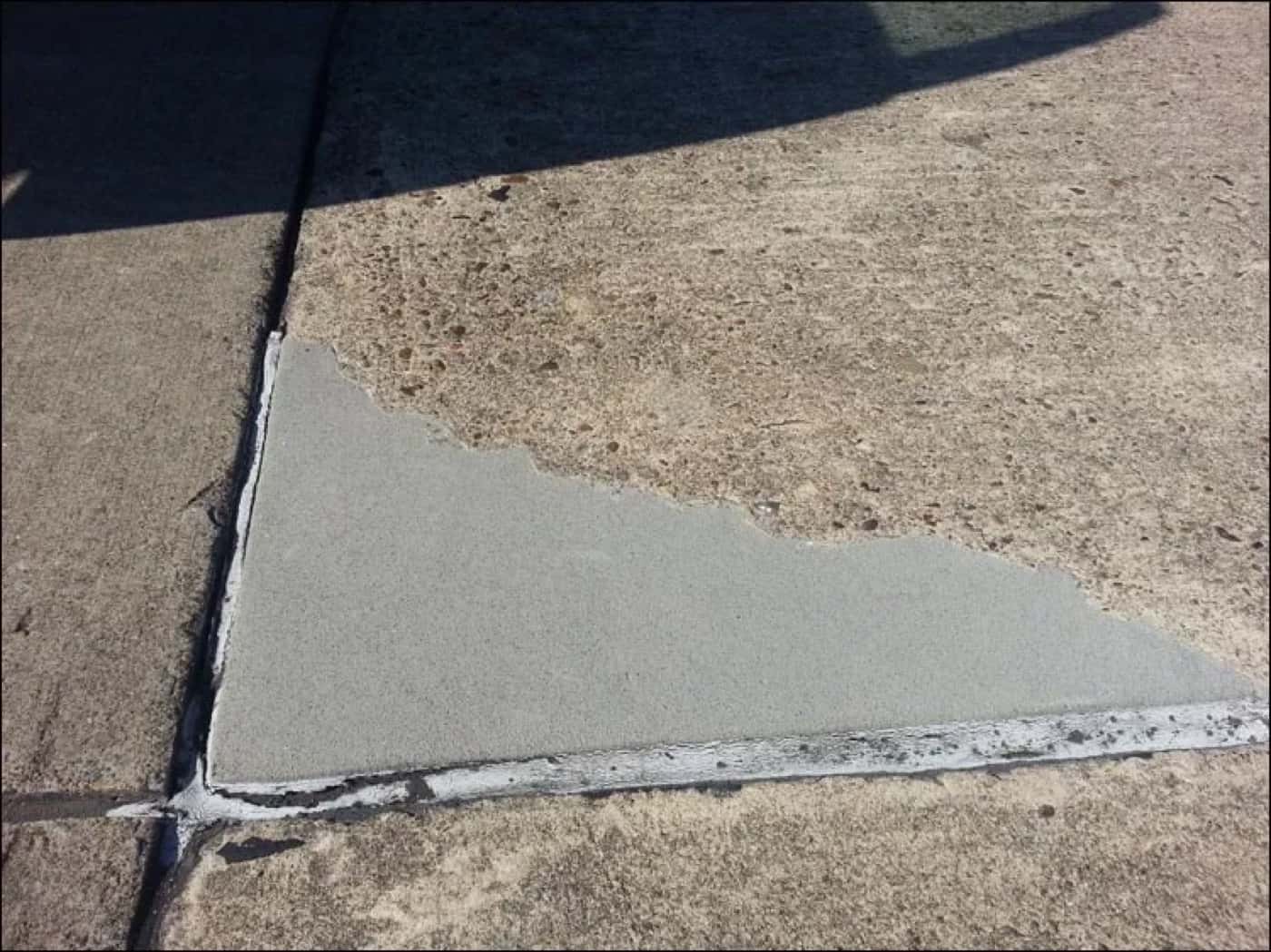
Exterior slab and sidewalk repair
Sidewalks and exterior slabs crack and spall each freeze-thaw cycle, widening into trip hazards and liability exposure on public and plant grounds.
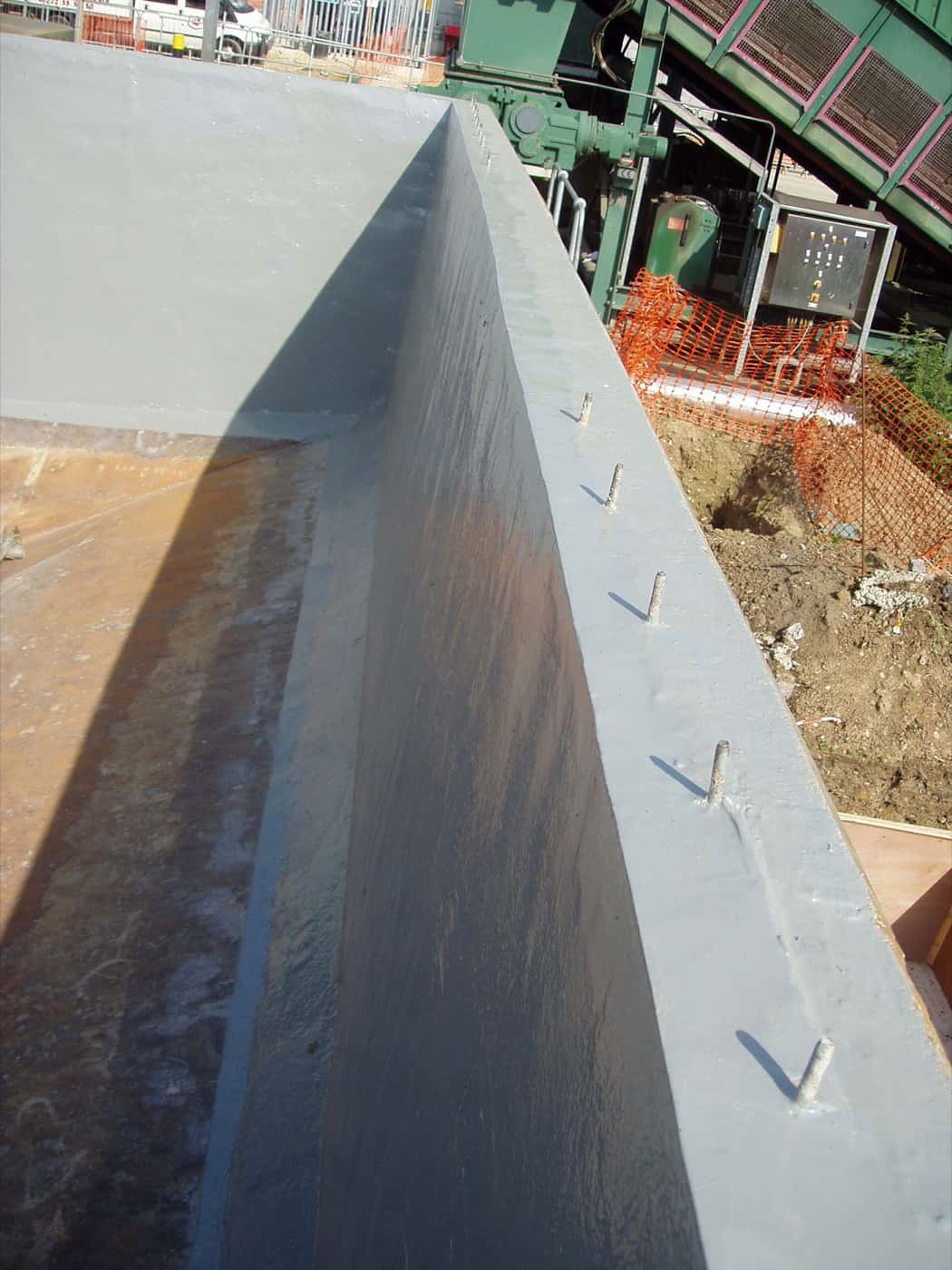
Potable-water concrete repair
Concrete in drinking-water tanks and channels degrades, but any repair material has to be certified safe for contact with potable water.
Rebar protection in concrete repair
Exposed reinforcing bar corrodes and expands, cracking surrounding concrete and driving repeat spalling if it is left untreated before a patch.
Stone and masonry restoration
Weathered stone, eroded mortar, and chipped decorative features lose detail and let water track into the masonry behind them.
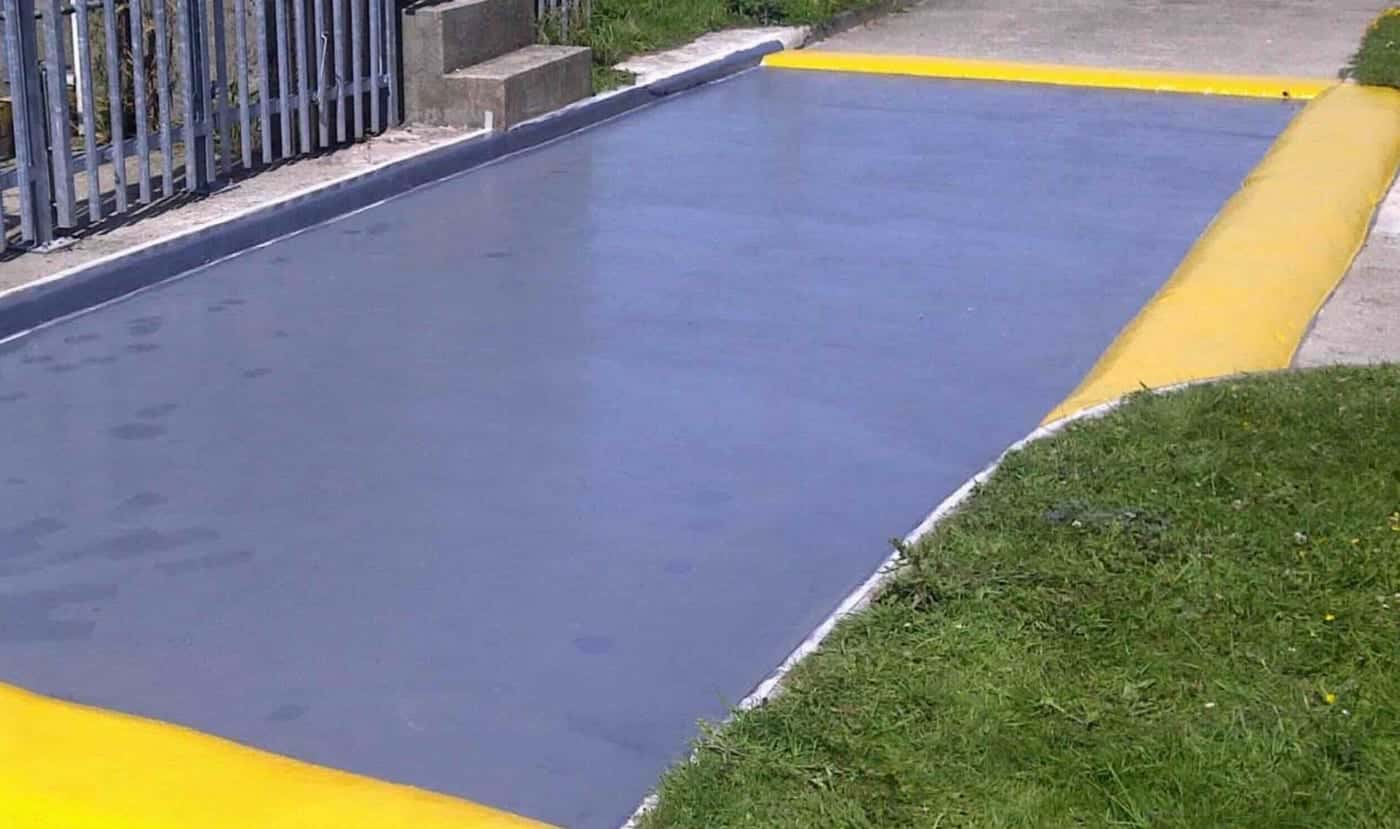
Warehouse and loading-bay floors
Forklift wheel paths, loading-bay edges, and joint shoulders crater under constant traffic, breaking up the slab and slowing material handling.
Typically applied with 4000 Series Belzona systems, matched to the service conditions.
What this does for your facility
Industries where this is commonly used
Related capabilities
Have equipment that needs to stay in service?
Tell us what is failing. We respond quickly, and we offer 24-hour on-call service.