Pulp & Paper Coating & Repair Services
Erosion and abrasion protection, metal repair, and rubber repair for mill equipment under constant wear and corrosion.
AAS in Pulp & Paper
A pulp and paper mill never really stops fighting wear. Stock and slurry move through it around the clock, and every roller, pump, fan, and vessel pays for that motion. Abrasion thins rollers and process gear. Erosion drops pump and fan efficiency. Chemical service eats vessels and tanks from the inside. Rubber linings and belts tear out and leave bare steel behind. AAS handles these failures in place. We are a factory-trained and factory-certified Belzona applicator working out of Baton Rouge. We bring decades of field experience, a strong safety record, and 24-hour on-call coverage across Louisiana. Most of this work fits inside a planned shutdown. The crew preps the surface and applies cold-cure coatings and linings. The equipment goes back without the hot work, cutting, and re-welding that stretch an outage.
Rollers, fans, and rotating equipment
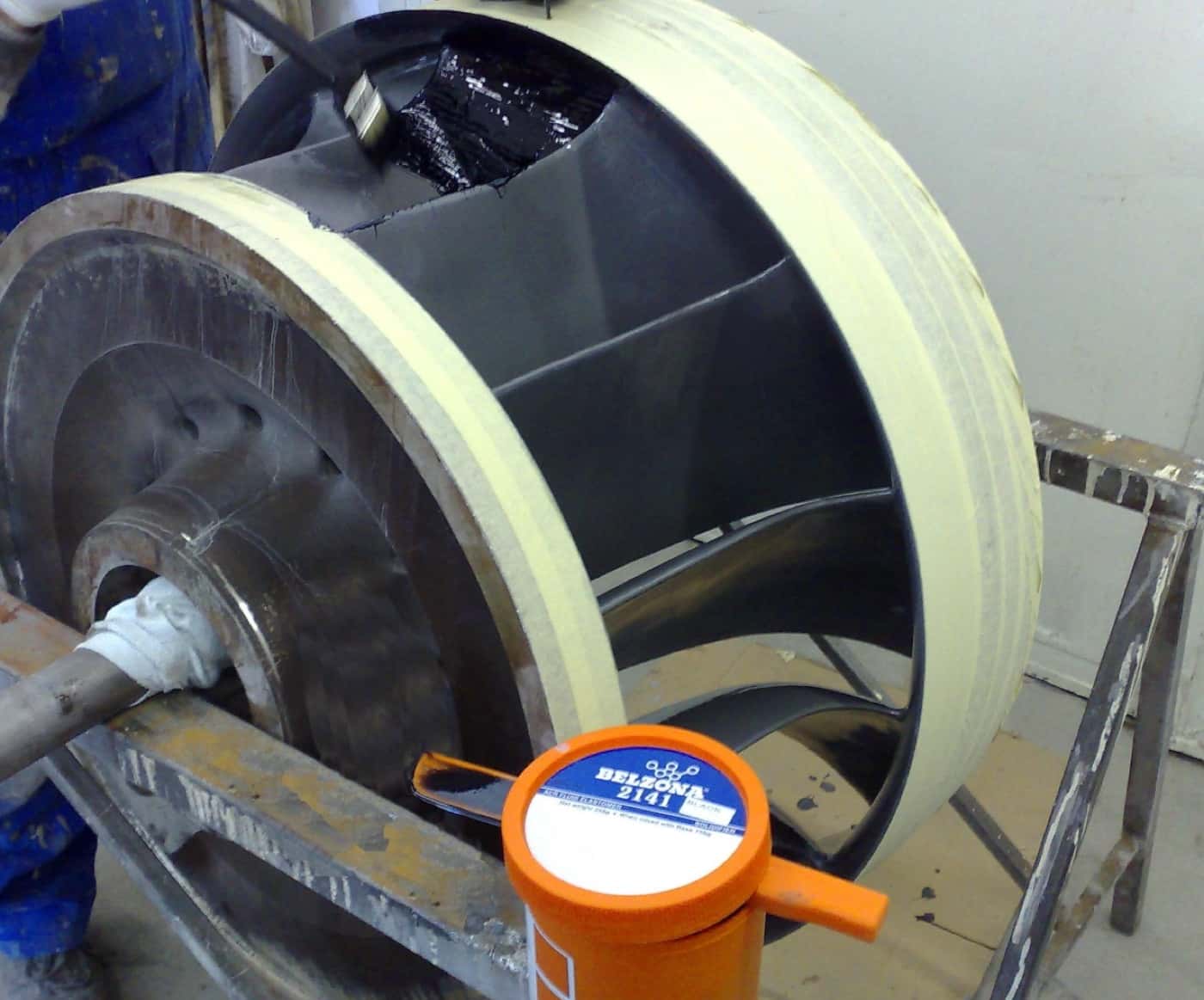
Drive and feed rollers lose their grip as the cover glazes, wears, or tears. Slip and mistracking follow, and throughput drops. AAS resurfaces rollers cold with a high-grip elastomer that rebuilds the friction profile. The roller goes back into the drive without a trip out for OEM re-covering. Pumps and fans erode the same way. Particle-laden flow strips metal off impellers, blades, and housings until clearances open and efficiency falls off. We rebuild the lost metal and recoat the wear surfaces with ceramic-filled coatings sized to the duty. The part returns to service running closer to its design point, and the rebuild happens in the maintenance window instead of waiting on a casting.
Where flow-induced metal loss and chemical attack stack on top of each other, fresh steel keeps getting exposed and eaten. AAS coats those surfaces with systems rated for the combined erosion and chemical load, holding both failure modes back in a single cold-applied recoat.
Digesters, evaporators, and process vessels
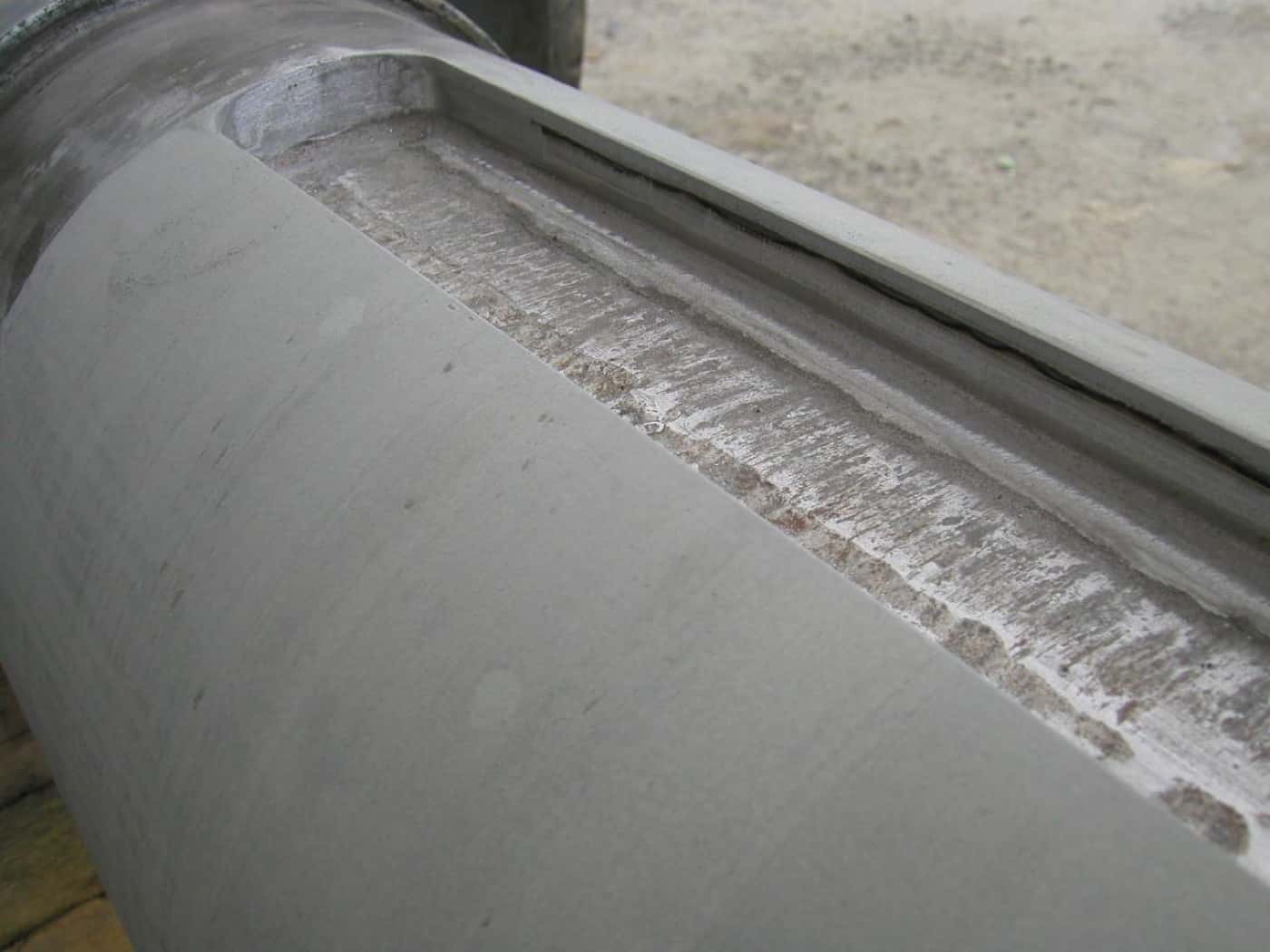
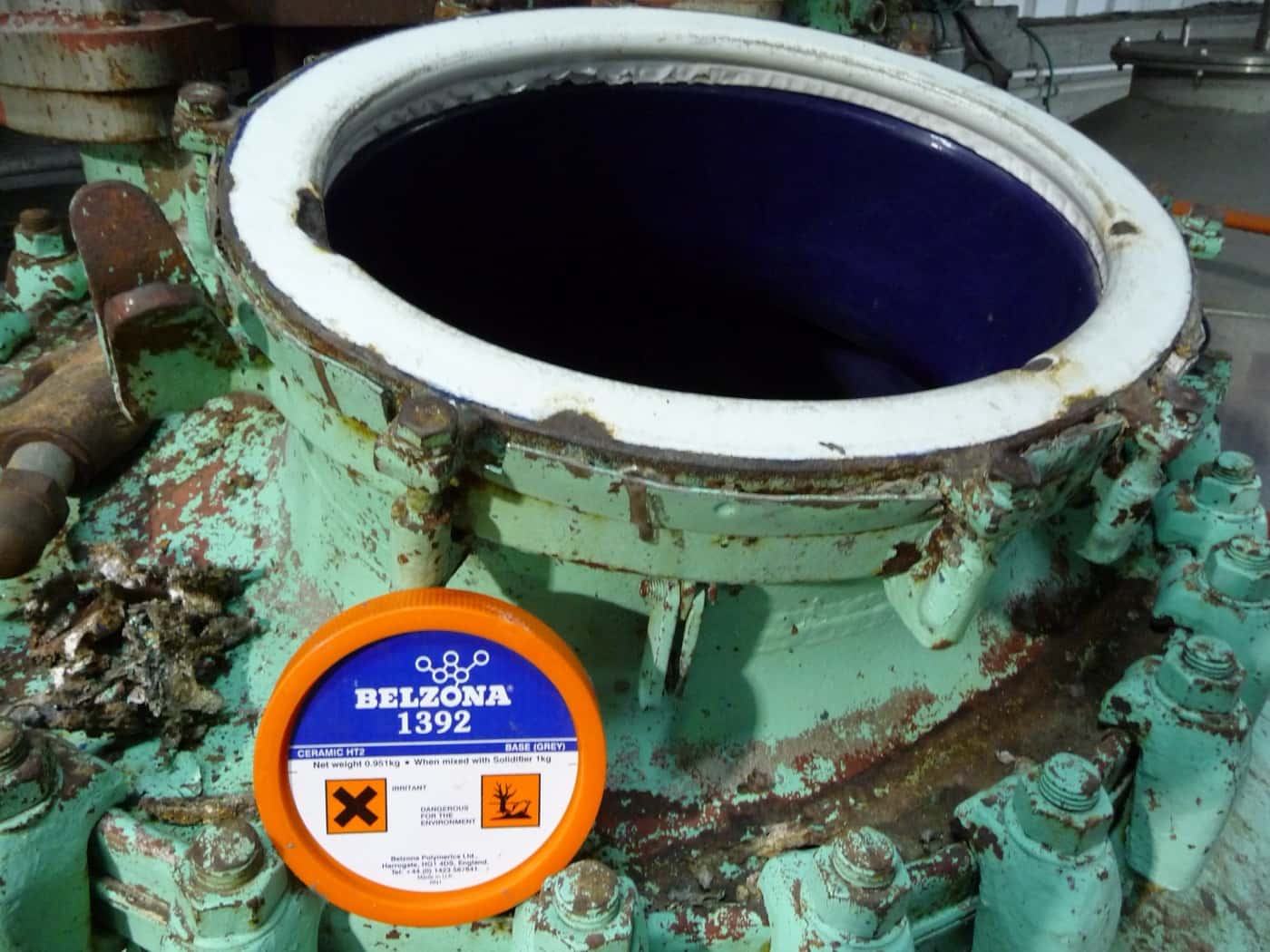
Kraft digesters carry hot sulfate-rich liquor that thins linings and corrodes welds and access ports over a campaign. AAS applies a high-temperature immersion lining matched to the service and overlays the spots where acids drive the failure. There is no liner-replacement weld cycle and no plate swap. Evaporators, de-aerators, and autoclaves run hot and wet, which breaks down ordinary coatings and corrodes the shell at welds and tube zones. We line them with an immersion-grade system rated for the service temperature, applied cold during the outage.
Scrubbers and absorber towers take acidic condensate and wet chemical attack that thin shell steel at the internals and liquid distribution zones. AAS lines the tower interior with a chemical-resistant cold-cure system and recoats it during the scheduled outage without hot work. Belzona high-temperature and acid-resistant series back this lining work. The result the mill cares about is a vessel that finishes the next campaign instead of coming out early.
Chutes, hoppers, belts, and rubber linings
Bulk material sliding through chutes, hoppers, silos, and mill liners wears them out faster than any replacement cycle can keep up with. AAS lines these surfaces with cold-applied ceramic-filled coatings sized to the particle and the flow. The lining recoats in the maintenance window and stretches plate life well past where bare steel would quit. Rubber linings also strip off chutes, hoppers, and slurry equipment. We rebuild them cold on site, so the mill gets its abrasion protection back without pulling the part for re-lining.
Conveyor belts gouge, rip, and wear through their top covers, spilling cargo and threatening to stop the line. AAS rebuilds the damaged area cold with a flexible elastomer that bonds to the existing rubber. The belt runs again without a splice or a full replacement. Where wear plates and bars sit on irregular backing, steel shims leave point contact that distorts the plate within a shift. We pour a cold-cure compound that fills the gap and transfers load across the full area, seating the plate flat without machining the structure.
What the mill gets back
The throughline is uptime. Worn rollers regain their grip, and eroded pumps and fans run closer to spec. Lined vessels finish their campaigns, and torn belts and rubber go back to work without a replacement order. Almost none of it requires cutting, welding, or hot-work permits inside a running mill.
AAS schedules around your outage, mobilizes from Baton Rouge, and runs surface prep, repair, coating, and lining as one field package. When a roller cover lets go between turnarounds or a digester needs attention out of cycle, the 24-hour on-call crew gets the equipment back into the line.
How AAS approaches it
The failures we see in Pulp & Paper
These are the recurring problems across pulp & paper plants. AAS addresses each in place, on turnaround schedules.
Capabilities used in Pulp & Paper
The repair and protection work AAS performs most across this sector. Each links to the full capability.
Erosion & Abrasion-Resistant Linings
Surfaces protected against high-velocity particulate, slurry, and impact wear so equipment lasts longer between rebuilds.
- Resist high-velocity particulate, slurry, and impact wear.
- Extend the service interval on chutes, hoppers, and transfer points.
- Rebuild and protect worn wear plates and pump internals in one step.
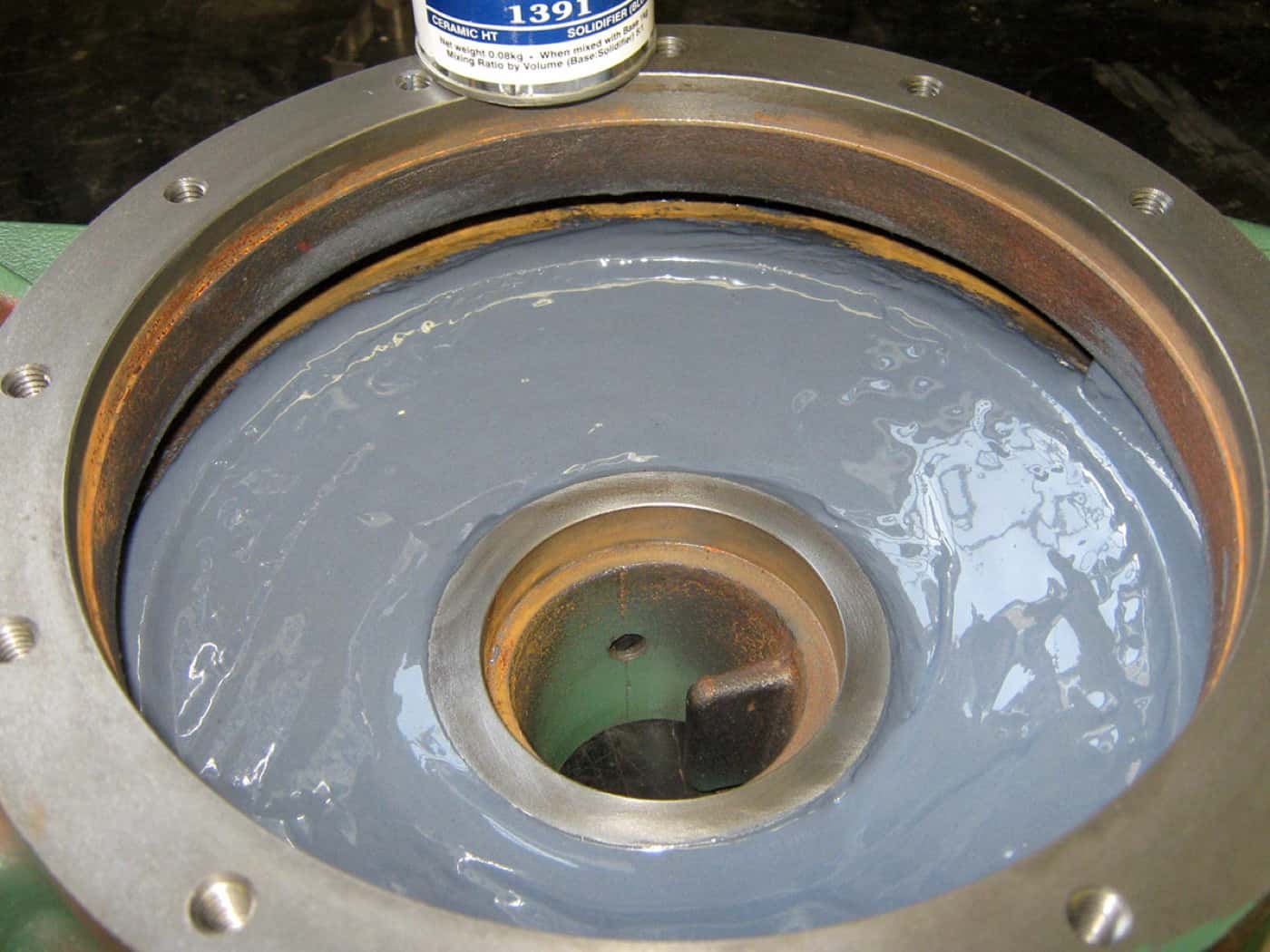
Metal Repair & Rebuilding
Worn, corroded, and damaged metal rebuilt to working dimensions in place, without replacement lead times.
- Rebuild worn and corroded metal in place, without replacement lead times.
- Restore equipment to working tolerances and efficiency.
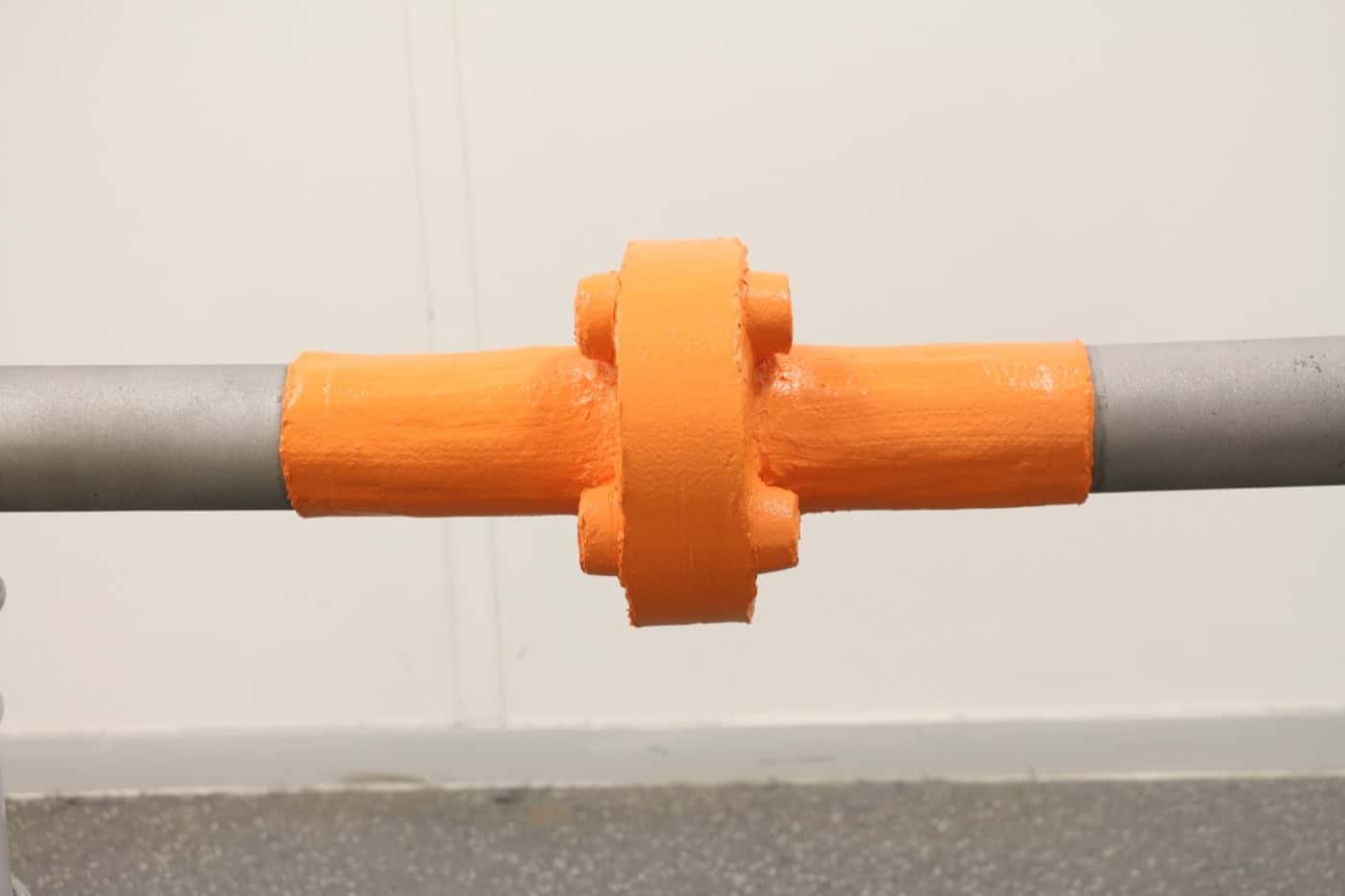
Corrosion Protection & Coatings
Long-term barrier and immersion coatings for metal in corrosive, immersed, buried, and splash-zone service.
- Protect metal in immersed, buried, and splash-zone service.
- Coat complex geometries that are hard to protect by other means.
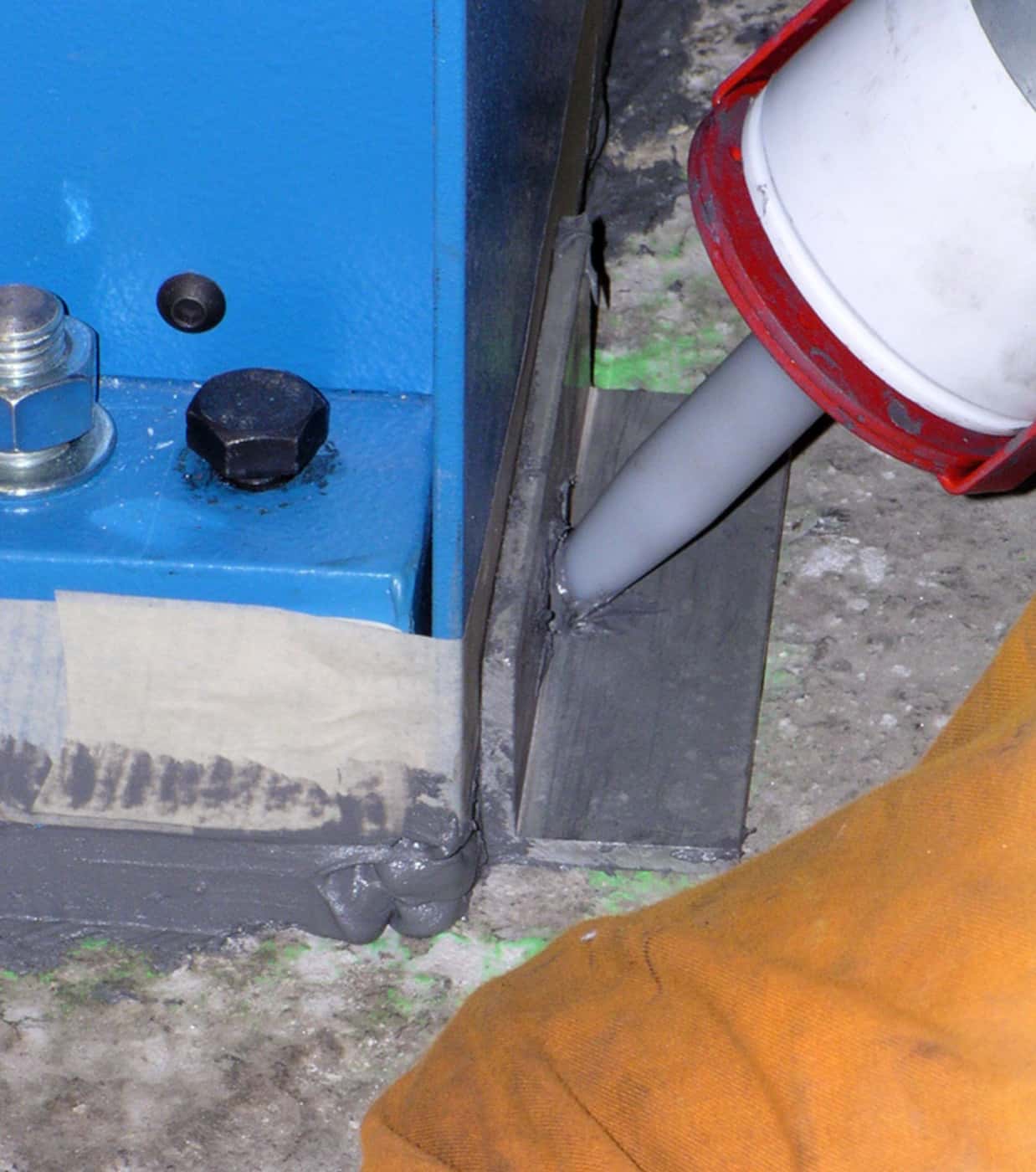
Rubber & Elastomer Repair
Cold-cure repair and recoating of rubber linings, conveyor belts, and rollers, an in-situ alternative to vulcanizing.
- Repair conveyor belts and rubber linings cold, in place.
- Recoat pumps, valves, and tanks with elastomer protection.
Work AAS performs here
Sliding and impact wear strips rubber linings off chutes, hoppers, and slurry equipment, exposing bare steel to fast metal loss.
Learn more →Chute, hopper and transfer-point abrasion liningSliding bulk material wears through chutes, hoppers, silos, and mill liners faster than any replacement cycle can keep up with.
Learn more →Conveyor belt repairGouges, rips, and worn top covers on conveyor belts let cargo escape and spread until the belt is scrapped or the line stops.
Learn more →Digester lining and repairKraft digesters carry hot sulfate-rich liquor that thins linings and corrodes every weld and access port over a single campaign.
Learn more →Erosion-corrosion resistant equipment coatingsFlow-induced metal loss exposes fresh steel that the process chemistry then attacks, thinning seawater filters, amine systems, impellers, blades, and rudders.
Learn more →Evaporator, de-aerator and autoclave liningEvaporators, de-aerators, and autoclaves run hot and wet, so conventional linings break down and the shell corrodes at welds and tube zones.
Learn more →Rubber roller and drive-roller recoveringGlazed, worn, or torn roller covers lose grip and traction, causing slip, mistracking, and dropped throughput on drive and feed rollers.
Learn more →Scrubber and absorber tower liningScrubbers and absorber towers face acidic condensate and wet chemical attack that thin shell steel at the internals and liquid distribution zones.
Learn more →Wear-plate seating and load-transfer shimsWear plates and bars sit on irregular backing, so steel shims leave point contact that distorts the plate within a single shift.
Learn more →Have equipment that needs to stay in service?
Tell us what is failing. We respond quickly, and we offer 24-hour on-call service.