
Roofing & Weatherproofing Membranes
Liquid-applied roof, gutter, and structure weatherproofing, including crack-bridging and lagging membranes.
What Roofing & Weatherproofing involves
A leaking roof rarely fails across the whole deck. It fails at the details. Water finds the seams, the penetrations, the flashing joints, and the cracks that keep working open under Louisiana sun. By the time a drip shows up over a process line or a switchgear room, the maintenance buyer is weighing a full tear-off against the production loss that comes with it. AAS gives that buyer a third option. Our crews are factory-trained and factory-certified Belzona applicators, and we weatherproof roofs, gutters, and structures in place with cold-applied liquid membranes. No torches, no kettles, no hot work over an operating facility. We prep the substrate, seal the failure points, and leave the roof watertight without stripping it down to the deck. Decades of field work across Louisiana back the repair, and our 24-hour on-call line means an active leak does not wait until Monday.
Roof fields and the failure points that open first
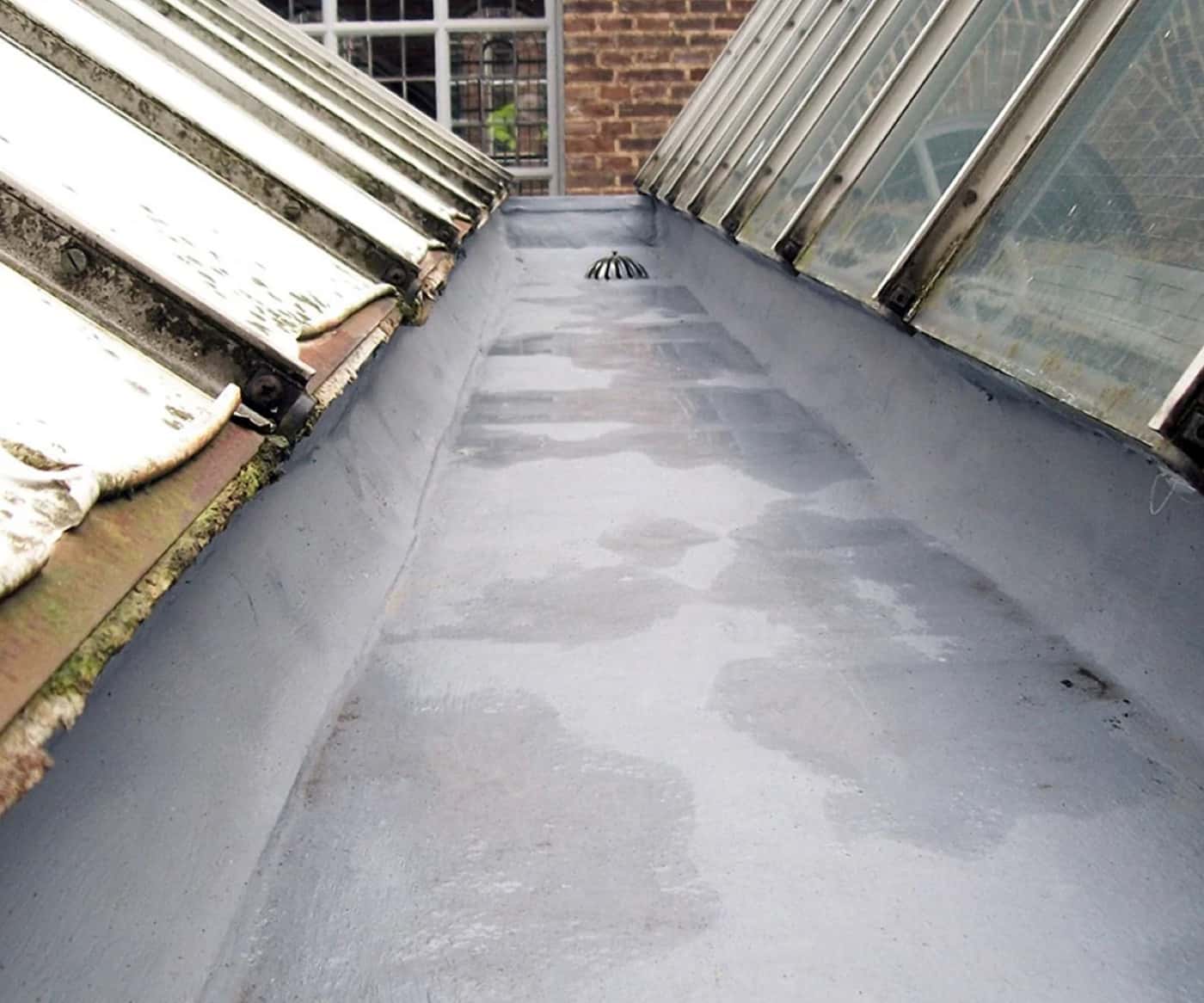
Built-up and single-ply roofs lose their seal where movement and weather concentrate. UV and thermal cycling break down the bond at penetrations and seams, and once water reaches the substrate the damage spreads underneath the surface. Our crews apply a cold-applied liquid membrane by brush or roller over the prepared roof, sealing the active drips and restoring a continuous watertight skin. The membrane goes down with no flame and no fumes, which matters when the work sits above a running unit.
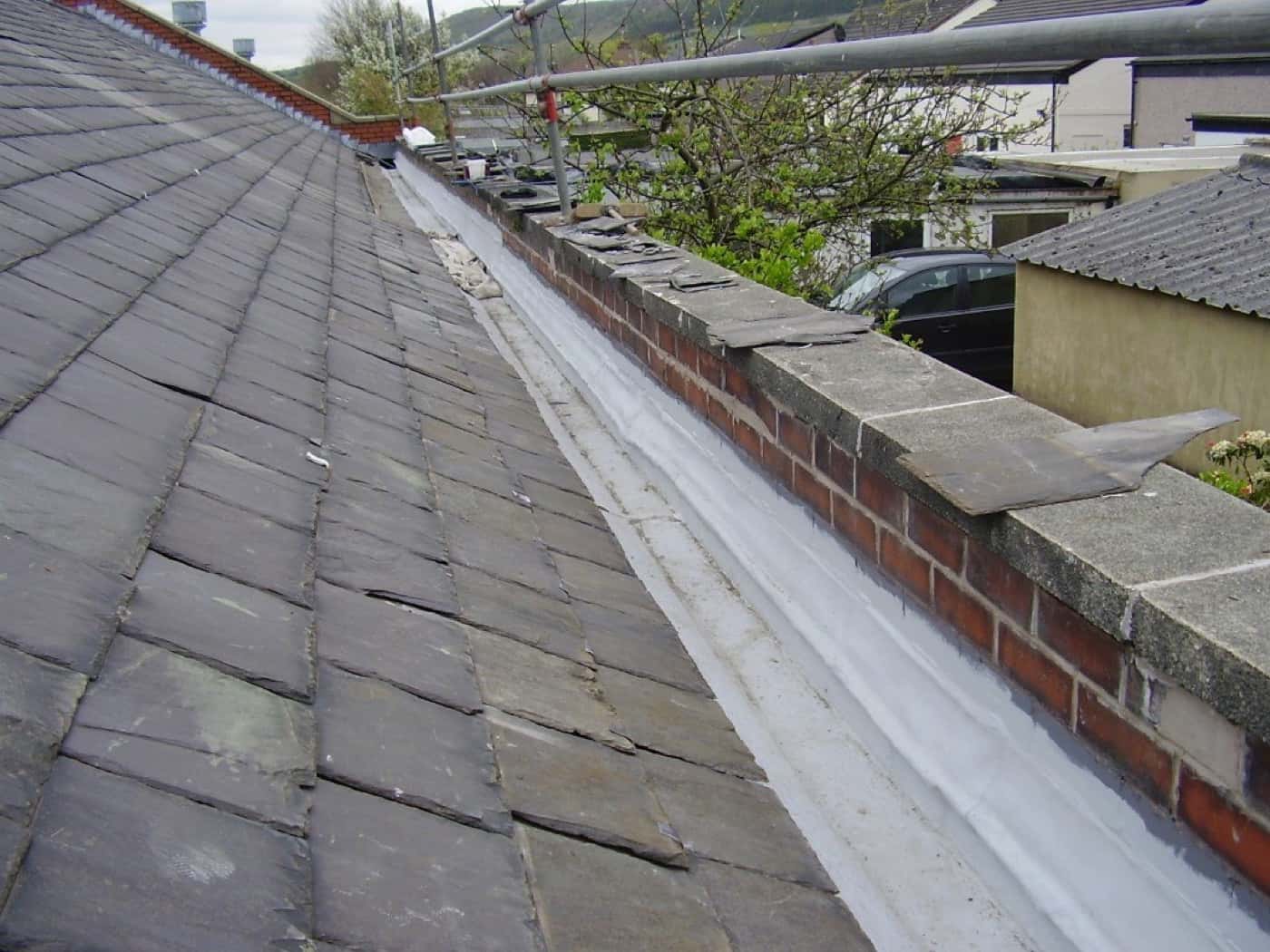
The details get the same treatment. Upstands, joints, seams, and roof protrusions are where standing water pools and where movement is sharpest, so they are usually the first features to leak on an otherwise sound roof. AAS works a cold-applied membrane into each upstand, joint, and protrusion by hand, following the complex geometry that a sheet system never seals cleanly. The penetration that started the leak gets wrapped tight, and the surrounding field stays intact.
Cracks, flashing, and dissimilar-material joints
Rigid coatings split where the structure moves. Roof cracks and high-movement detail areas keep working open under thermal cycling, reopening the leak path every season no matter how many times a brittle patch is laid over them. We bridge those cracks with a high-elasticity membrane that stretches with the substrate instead of fighting it. The repair holds as the deck keeps expanding and contracting, so the fix does not become next year's callback.
Flashing details fail for a related reason. Gutter linings, parapet copings, and metal flashing meet masonry at a dissimilar-material joint, and that joint opens under combined movement and corrosion until water runs inside. AAS seals the metal-to-masonry transition with a flexible cold-applied membrane that follows the movement on both sides. There is no sheet-metal replacement and no reroofing. The Belzona 3000 Series products we apply for this work are chosen because they cure cold and flex with the detail rather than crack at it.
Walls and exterior masonry
Weatherproofing does not stop at the roofline. Exterior masonry and building surfaces pull water through their own porosity and through fine cracks, and that absorbed water drives spalling, staining, and freeze-thaw damage across the facade. AAS coats prepared masonry and exterior surfaces with a breathable waterproof barrier. The wall sheds rain from the outside while still releasing trapped vapor from within, so the coating protects the facade without sealing moisture inside the structure where it would do more harm.
What the facility gets back
The point of every one of these repairs is the same. The roof stays watertight, the asset stays in service, and the production underneath it never stops for a tear-off. A liquid membrane laid cold over a prepared substrate extends the life of a roof or a wall that would otherwise be on a replacement schedule, and it does so without the cost, the crane traffic, and the open-deck exposure of a full re-roof. No hot work means no permit fight and no fire watch over a live process area.
AAS holds a strong field safety record, and it reflects how the crews work every day. We can mobilize on the 24-hour line when a leak is active, seal the failure point, and hand back a roof that holds. Louisiana refiners, petrochemical producers, and marine operators use these repairs to push a capital project out by years while keeping the building dry in the meantime.
Identify, engineer, and provide the fix
AAS works cold-applied: no hot work and no hot-work permits to remove or install. Most repairs happen in service or on a planned turnaround, without the permitting burden and downtime that hot work brings.
Identify
We are on call 24 hours and work with your engineering team to identify the problem and what is driving it.
Engineer the solution
We develop the repair, both engineered and non-engineered solutions, matched to the conditions the asset actually sees.
Provide products and services
We deliver what it takes to solve it: factory-trained, NACE-certified applicator support and turnkey services as requested, in-house, in the field, and in a controlled shop environment through Advanced Applications Specialists.
Applications in Roofing & Weatherproofing
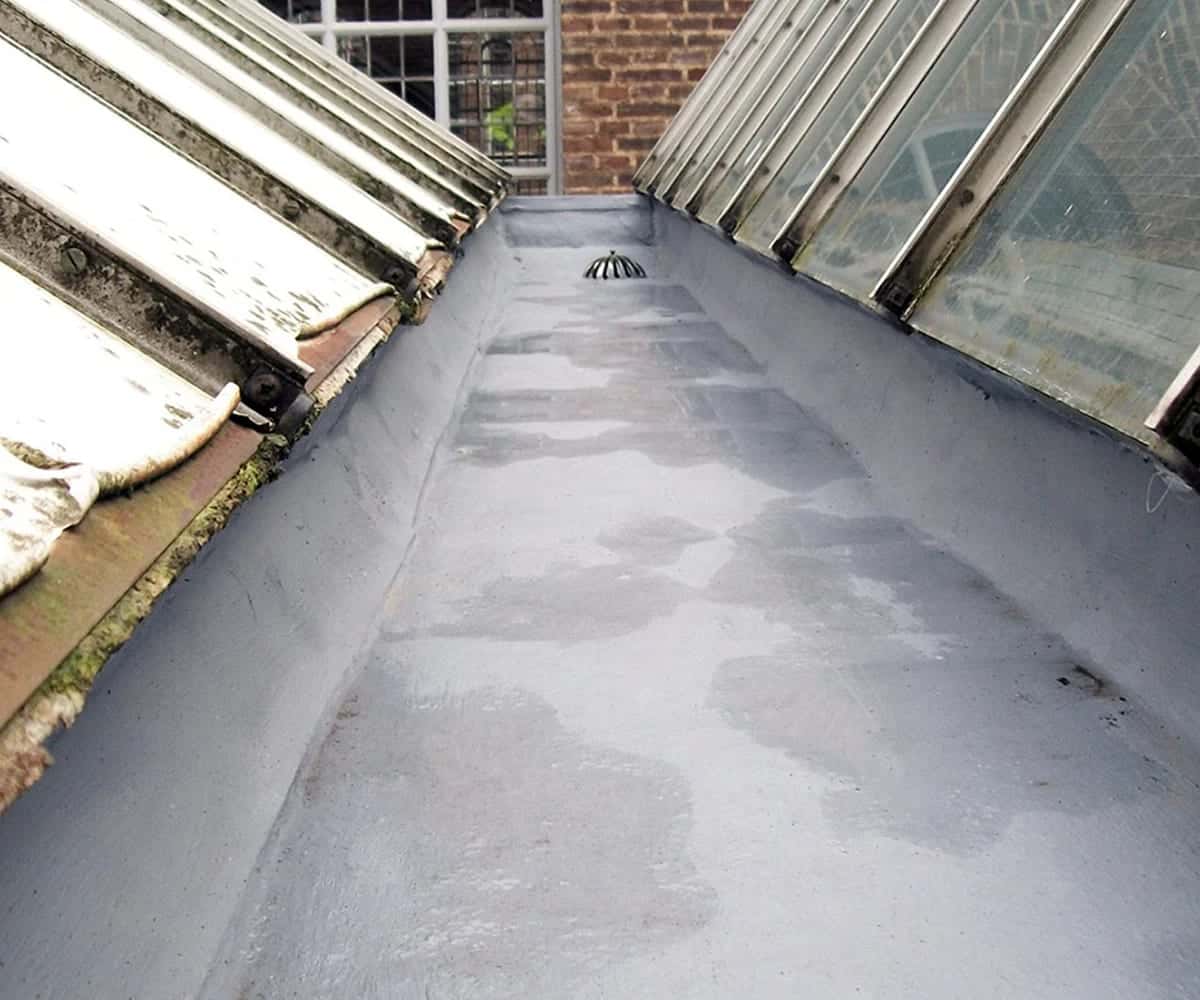
Crack-bridging and detail reinforcement
Roof cracks and high-movement detail areas keep working open under thermal cycling, splitting rigid coatings and reopening leak paths.
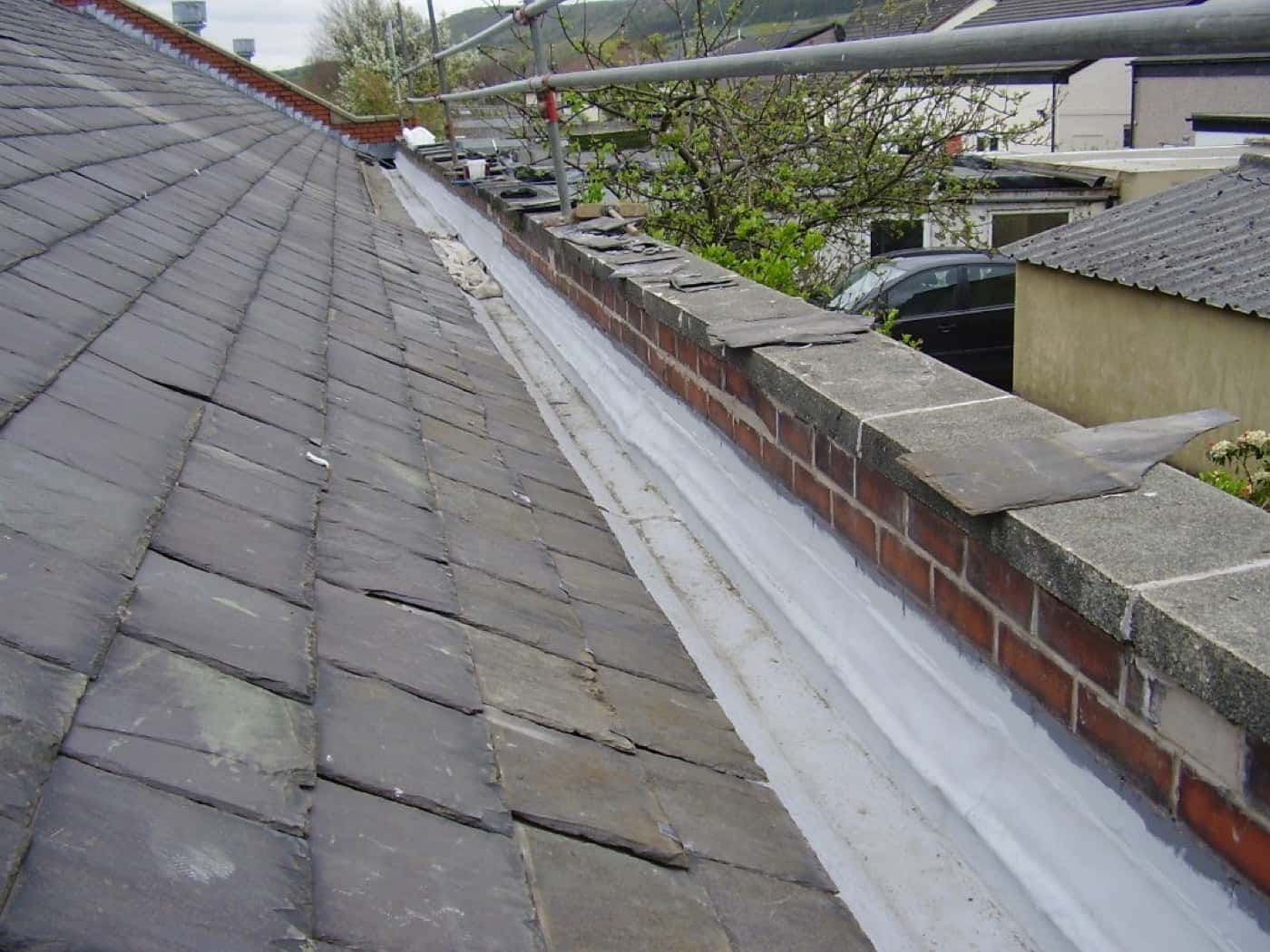
Gutter, flashing and roof-detail sealing
Gutter linings, parapet copings, and metal flashing details fail at dissimilar-material joints where movement and corrosion open a water path inside.
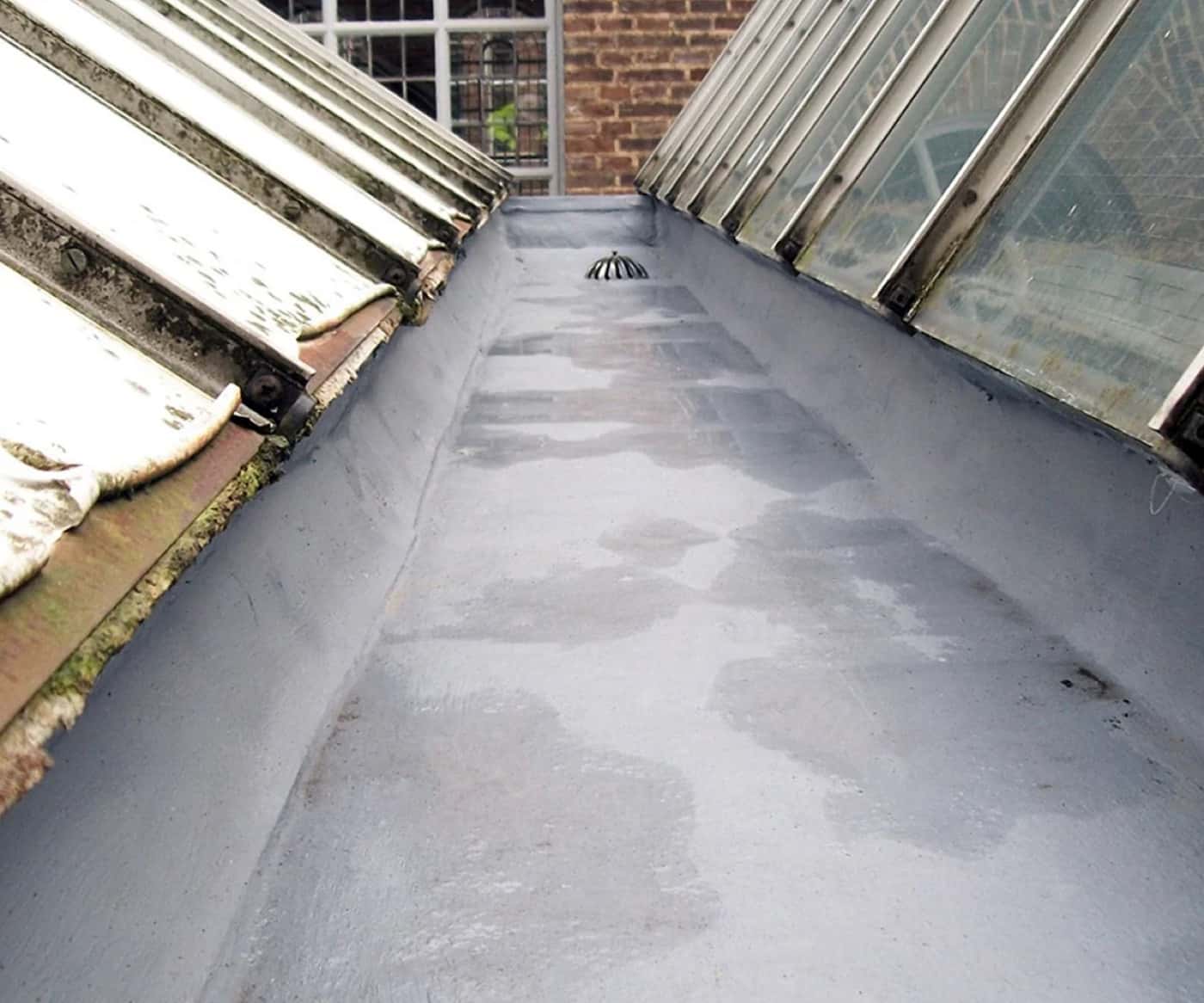
Liquid roof membrane and leak repair
Built-up and single-ply roofs lose their seal at penetrations and seams under UV and thermal cycling, letting water reach the substrate.
Masonry waterproofing and protection
Exterior masonry and building surfaces absorb water through porosity and cracks, driving spalling, staining, and freeze-thaw damage on the facade.
Upstand, joint, seam and protrusion weatherproofing
Upstands, seams, joints, and roof protrusions concentrate movement and standing water, so they are the first details to leak on an otherwise sound roof.
Typically applied with 3000 Series Belzona systems, matched to the service conditions.
What this does for your facility
Industries where this is commonly used
Related capabilities
Have equipment that needs to stay in service?
Tell us what is failing. We respond quickly, and we offer 24-hour on-call service.